Cucumber VS Orange
A detailed nutritional comparison
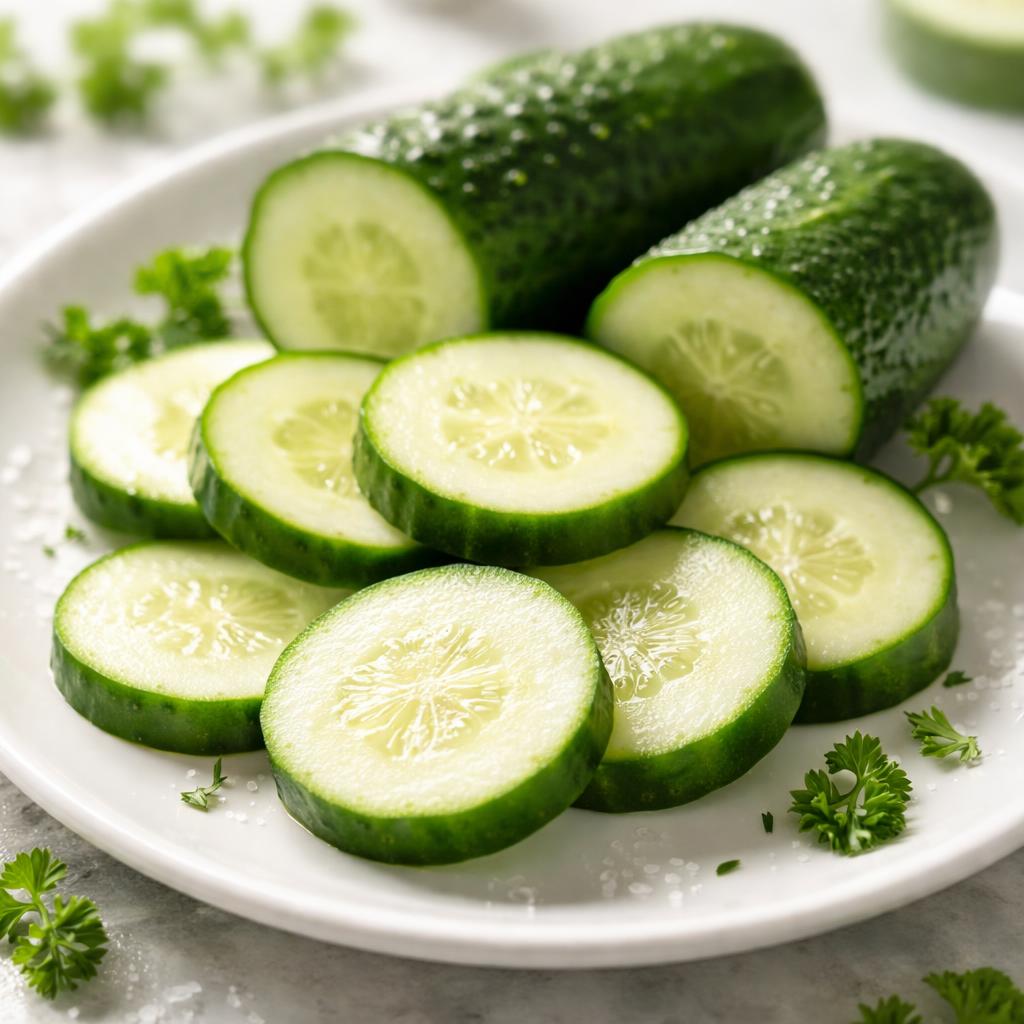
Cucumber
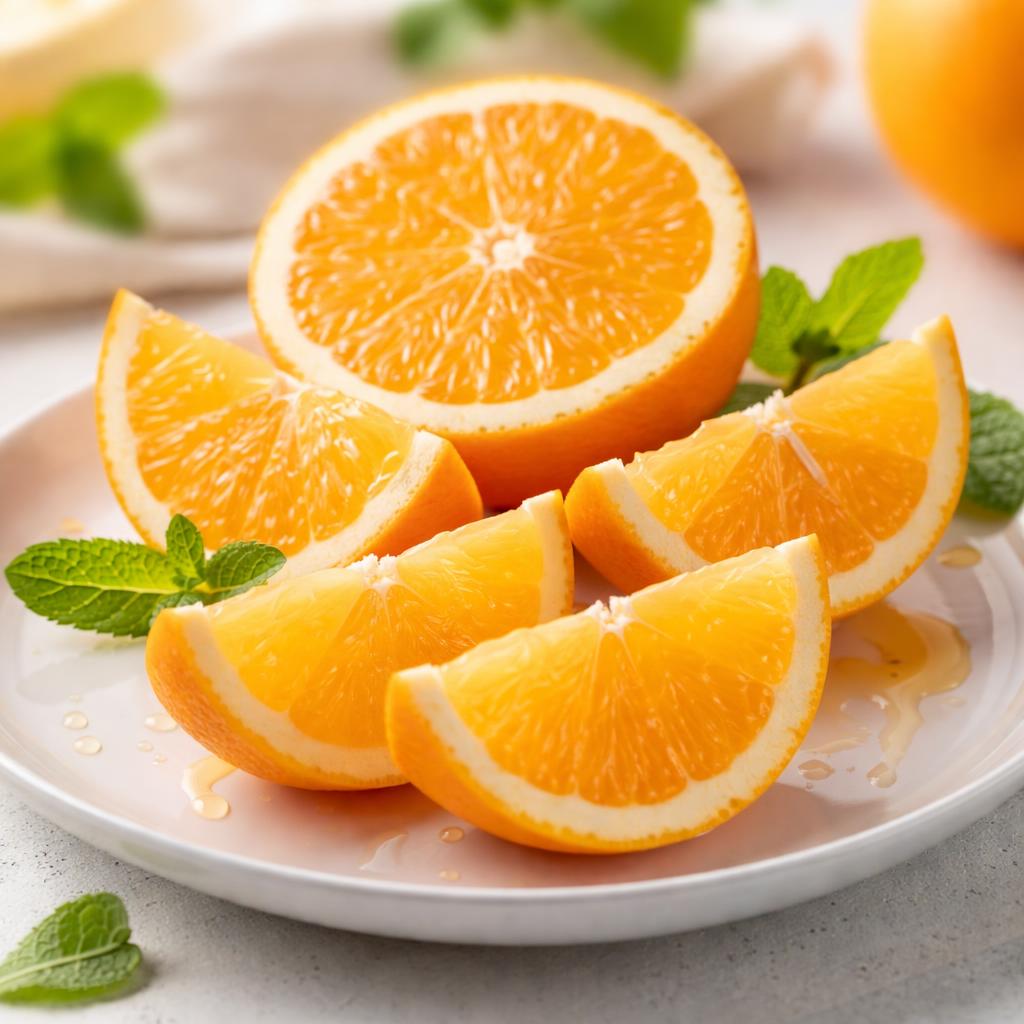
Orange
🎯 Quick Verdict
Cucumbers and oranges have different strengths in nutrition. Cucumbers are extremely low-calorie, hydrating, and offer small amounts of protein, while oranges are higher in fiber, vitamin C, and natural sugars, making them a better source of energy and antioxidants. Choose cucumbers for hydration and weight loss, oranges for immune support and sustained energy.

Smart Nutrition Tracking with SnapCalorie

📊 Nutritional Comparison
Macronutrients
| Nutrient | Food 1 | Food 2 | Winner |
|---|---|---|---|
| Calories | 15 per 100g | 47 per 100g | − |
| Protein | 0.7g per 100g | 0.9g per 100g | − |
| Carbs | 3.6g per 100g | 11.8g per 100g | − |
| Fat | 0.1g per 100g | 0.1g per 100g | − |
| Fiber | 0.5g per 100g | 2.4g per 100g | − |
Vitamins & Minerals
| Nutrient | Food 1 | Food 2 | Winner |
|---|---|---|---|
| Vitamin C | 2.8mg per 100g | 53.2mg per 100g | − |
| Vitamin A | 105 IU per 100g | 225 IU per 100g | − |
| Potassium | 140mg per 100g | 181mg per 100g | − |
🏆 Category Winners
Protein
While both foods have low protein, orange has 29% more protein compared to cucumber.
Fiber
Orange is significantly higher in fiber, with 2.4g per 100g versus cucumber’s 0.5g per 100g.
Calories
Both foods are low-calorie; cucumber has 15 kcal per 100g, orange has 47 kcal per 100g—both suitable for weight loss strategies.
🥗 Diet Compatibility
Keto
Food 1: Unknown
Food 2: Unknown
Cucumber is low-carb (3.6g per 100g), while orange is higher with 11.8g.
Vegan
Food 1: Unknown
Food 2: Unknown
Both foods are plant-based.
Gluten Free
Food 1: Unknown
Food 2: Unknown
Neither contains gluten.
Paleo
Food 1: Unknown
Food 2: Unknown
Both are whole, unprocessed foods allowed on paleo.
Low Carb
Food 1: Unknown
Food 2: Unknown
Cucumber fits low-carb diets with 3.6g carbs per 100g compared to orange's 11.8g.
💪 Health Benefits Comparison
Food 1 Benefits
Food 2 Benefits
✅ The Bottom Line
Cucumber is best for hydration, weight loss, and low-carb diets, while orange excels in boosting immunity, improving digestion, and providing sustained energy from natural sugars. Choose cucumber for a light snack or to complement meals, and orange for a nutrient-dense snack or breakfast addition.


