Cucumber VS Onion
A detailed nutritional comparison
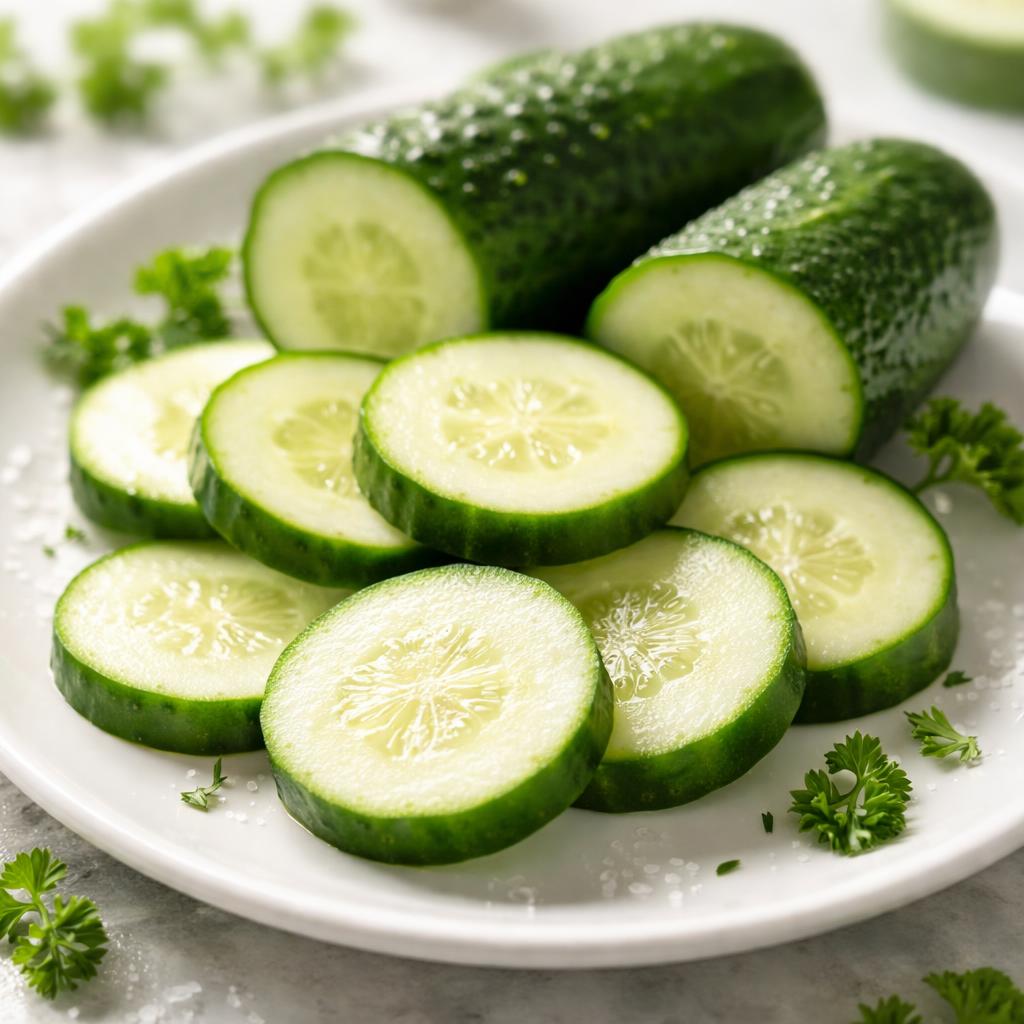
Cucumber
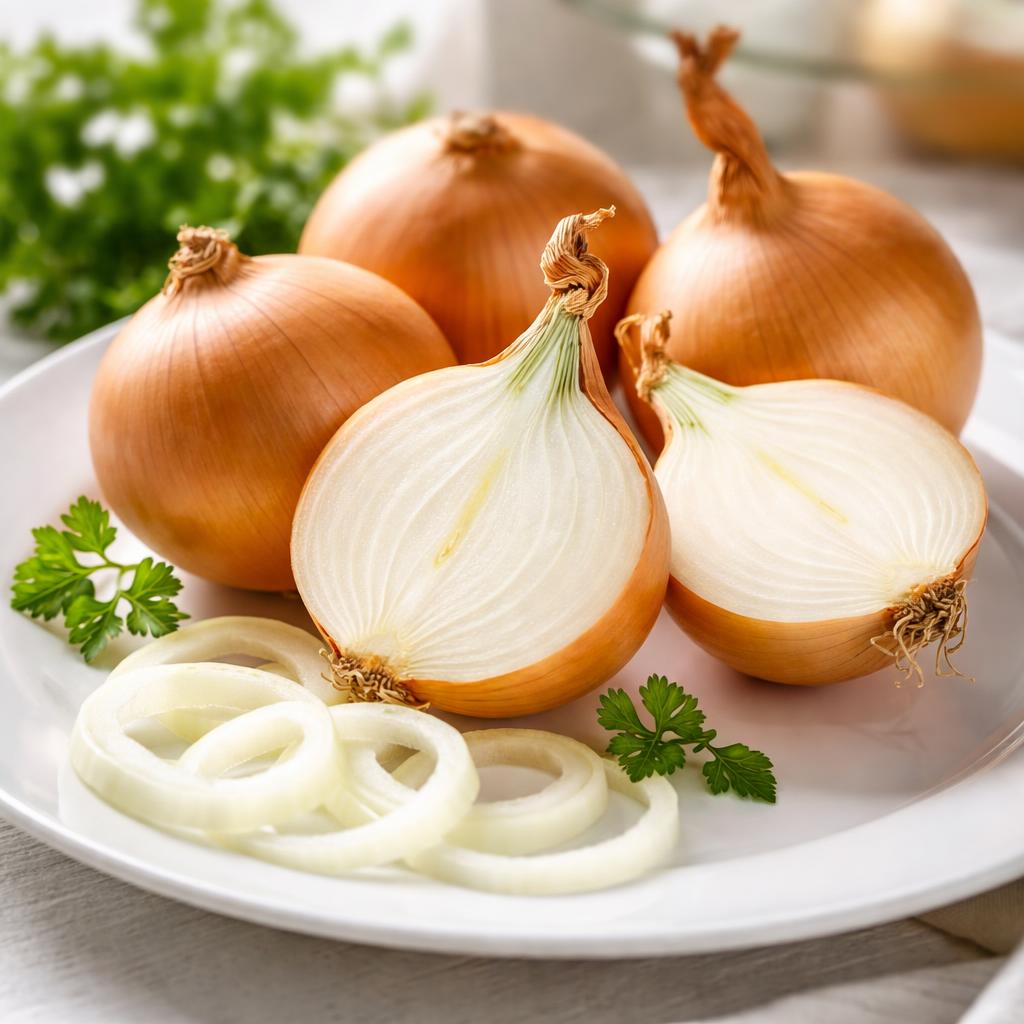
Onion
🎯 Quick Verdict
Cucumber is lower in calories and provides hydration, making it ideal for weight loss and refreshing snacks. Onions are nutrient-dense, rich in fiber, and loaded with antioxidants, making them better suited for enhancing flavor and contributing to overall health benefits in cooked meals or raw dishes.

Smart Nutrition Tracking with SnapCalorie

📊 Nutritional Comparison
Macronutrients
| Nutrient | Food 1 | Food 2 | Winner |
|---|---|---|---|
| Calories | 15 kcal | 40 kcal | ✓ |
| Protein | 0.7g | 1g | − |
| Carbs | 3.6g | 9g | ✓ |
| Fat | 0.1g | 0g | ✓ |
| Fiber | 0.5g | 1.7g | ✓ |
Vitamins & Minerals
| Nutrient | Food 1 | Food 2 | Winner |
|---|---|---|---|
| Vitamin C | 2.8mg | 7.4mg | ✓ |
| Vitamin K | 16.4mcg | 0.4mcg | ✓ |
| Potassium | 136mg | 146mg | ✓ |
| Folate | 7mcg | 19mcg | ✓ |
🏆 Category Winners
Protein
Both have very low and comparable protein levels.
Fiber
Onions offer over triple the amount of fiber per serving compared to cucumbers.
Calories
Cucumbers have significantly fewer calories, making them better for low-calorie diets.
Vitamins
Onions are higher in Vitamin C, folate, and potassium, while cucumbers excel in Vitamin K.
🥗 Diet Compatibility
Keto
Food 1: Compatible
Food 2: Compatible
Both are low-carb and suitable for keto diets.
Vegan
Food 1: Compatible
Food 2: Compatible
Both are plant-based foods.
Gluten Free
Food 1: Compatible
Food 2: Compatible
Neither food contains gluten.
Paleo
Food 1: Compatible
Food 2: Compatible
Both are whole, natural foods permitted in paleo diets.
Low Carb
Food 1: Compatible
Food 2: Mostly Compatible
Cucumber is very low-carb, while onion is higher but still fits moderate low-carb allowances.
💪 Health Benefits Comparison
Food 1 Benefits
- Very low in calories, supporting weight loss
- High water content for hydration
- Contains Vitamin K, beneficial for blood and bone health
- Good source of antioxidants like beta-carotene
Food 2 Benefits
- Rich in fiber, promoting healthy digestion
- Contains antioxidants like quercetin for inflammation reduction
- Higher Vitamin C content strengthens immunity
- Provides compounds that may support heart health
✅ The Bottom Line
Choose cucumbers for hydration, snacking, and very low-calorie meals. Opt for onions when seeking fiber, antioxidants, and deeper flavor in cooked dishes or salads.
Choose Food 1 for: Weight loss, hydration, refreshing raw snacks
Choose Food 2 for: Digestion, immunity, heart health, flavor enhancement in cooking


