Cucumber VS Olive Oil
A detailed nutritional comparison
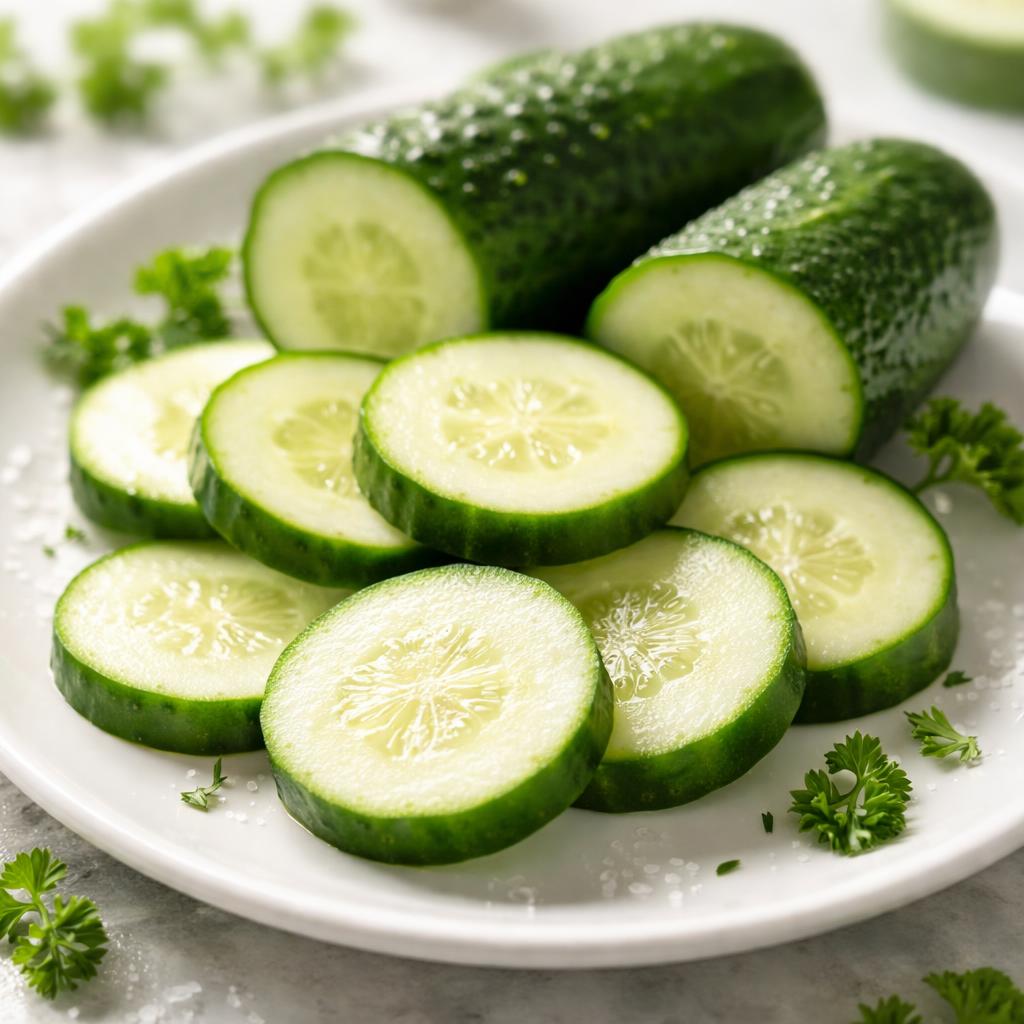
Cucumber
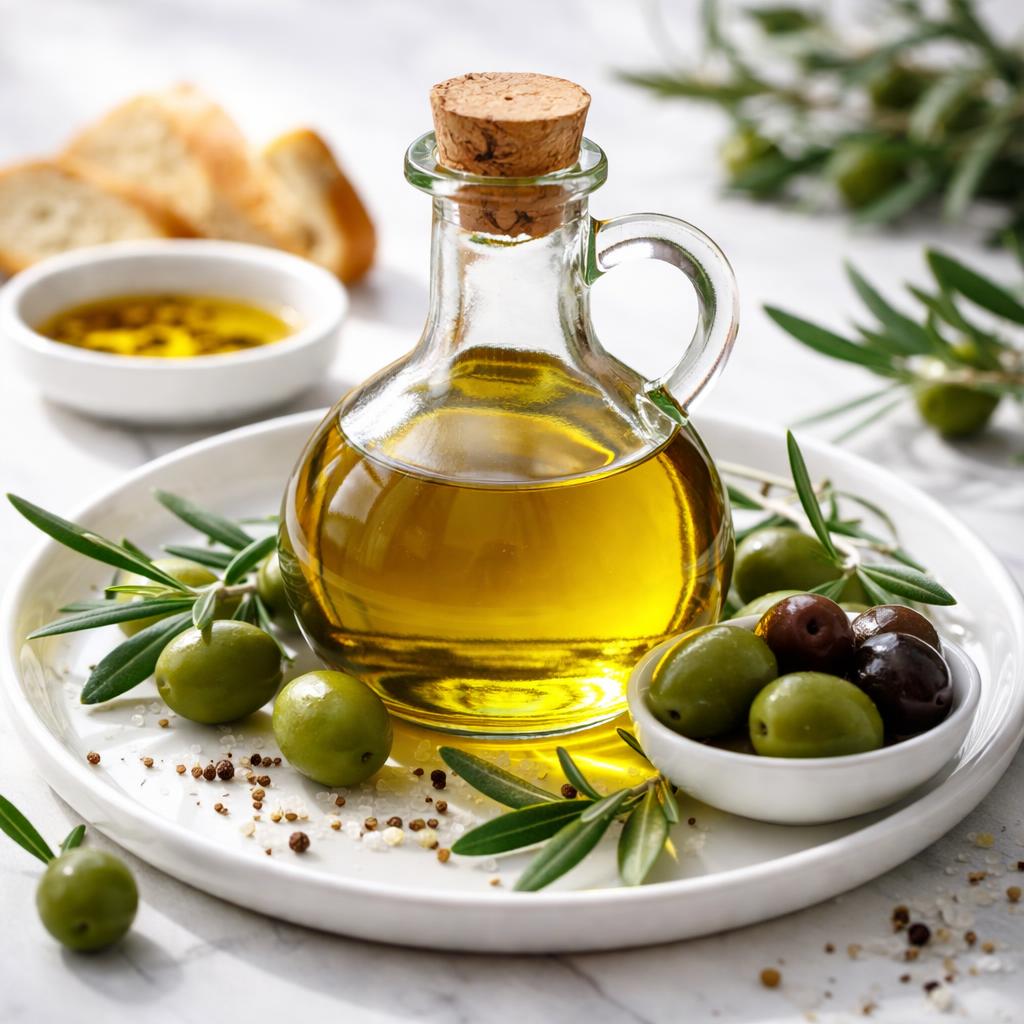
Olive Oil
🎯 Quick Verdict
Cucumbers and olive oil serve very different nutritional purposes. Cucumbers are low-calorie, hydrating, and rich in fiber, making them ideal for weight management and digestion. Olive oil, on the other hand, is calorie-dense and packed with healthy fats, making it a great addition for heart health and anti-inflammatory benefits in balanced diets.

Smart Nutrition Tracking with SnapCalorie

📊 Nutritional Comparison
Macronutrients
| Nutrient | Food 1 | Food 2 | Winner |
|---|---|---|---|
| Calories | 16 per 100g | 884 per 100g | ✓ |
| Protein | 0.7g per 100g | 0g per 100g | − |
| Carbs | 3.6g per 100g | 0g per 100g | ✓ |
| Fat | 0.1g per 100g | 100g per 100g | ✓ |
| Fiber | 0.5g per 100g | 0g per 100g | ✓ |
Vitamins & Minerals
| Nutrient | Food 1 | Food 2 | Winner |
|---|---|---|---|
| Vitamin C | 2.8mg per 100g | 0mg per 100g | ✓ |
| Vitamin K | 16.4mcg per 100g | 60.2mcg per 100g | ✓ |
| Potassium | 136mg per 100g | 1mg per 100g | ✓ |
🏆 Category Winners
Protein
Both foods are extremely low in protein, with no significant difference.
Fiber
Cucumber contains dietary fiber whereas olive oil does not.
Calories
Cucumber is drastically lower in calories than olive oil.
Vitamins
Cucumber excels in Vitamin C and potassium, while olive oil is rich in Vitamin K for bone health.
🥗 Diet Compatibility
Keto
Food 1: Compatible
Food 2: Compatible
Neither food is high in carbs, and olive oil is ideal for keto due to healthy fats.
Vegan
Food 1: Compatible
Food 2: Compatible
Both foods are plant-based.
Gluten Free
Food 1: Compatible
Food 2: Compatible
Neither contains gluten.
Paleo
Food 1: Compatible
Food 2: Compatible
Both foods are unprocessed and align with paleo principles.
Low-Carb
Food 1: Compatible
Food 2: Compatible
Cucumber is low-carb, and olive oil contains no carbs at all.
💪 Health Benefits Comparison
Food 1 Benefits
- Hydrating and low-calorie for weight management
- Provides fiber to support digestion
- Contains vitamin C to boost immunity
Food 2 Benefits
- Rich in heart-healthy monounsaturated fats
- Contains antioxidants to reduce inflammation
- Provides vitamin K for improved bone health
✅ The Bottom Line
Cucumber and olive oil have complementing benefits and are both excellent choices depending on dietary goals. Choose cucumber for hydration, low calories, and digestion support, or olive oil for healthy fats, heart health, and anti-inflammatory properties.
Choose Food 1 for: Weight loss, hydration, digestion, low-calorie snacks
Choose Food 2 for: Heart health, anti-inflammatory diets, keto meal prep


