Cucumber VS Mint
A detailed nutritional comparison
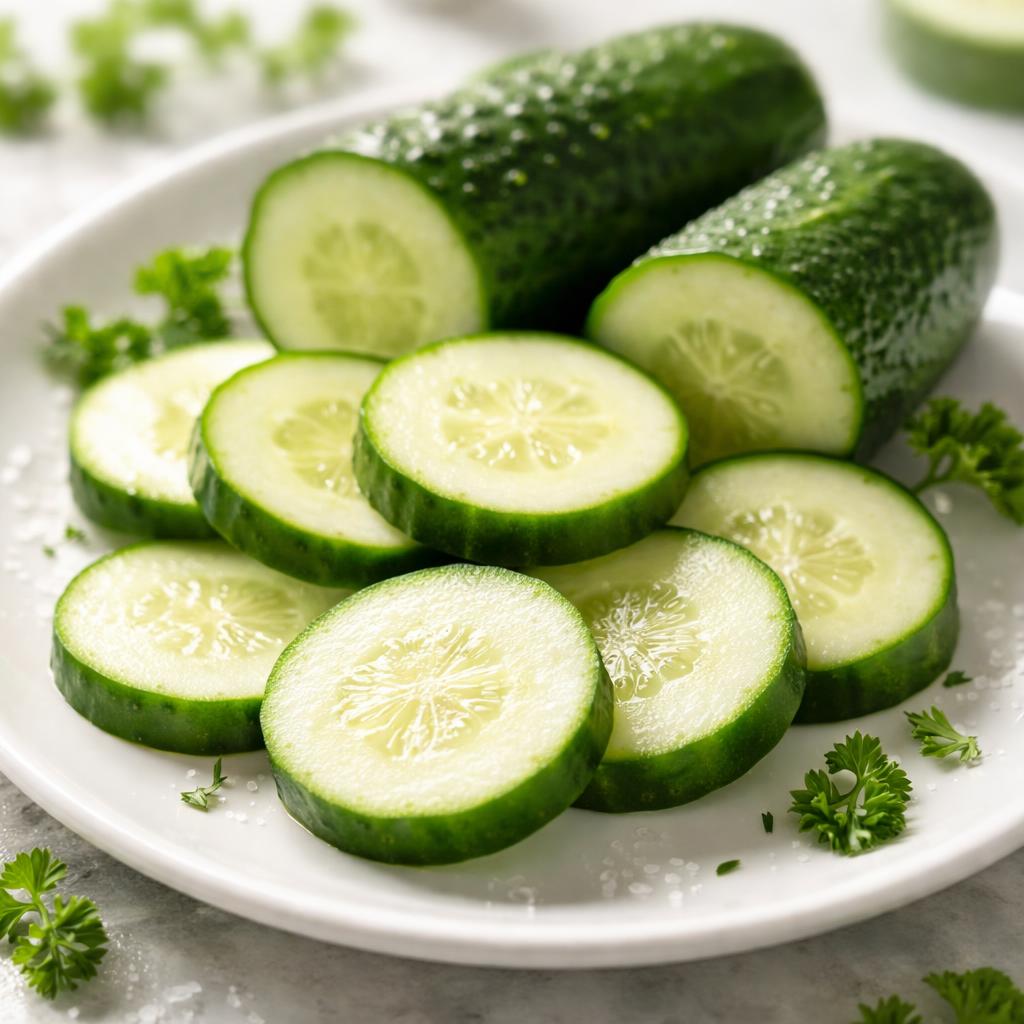
Cucumber
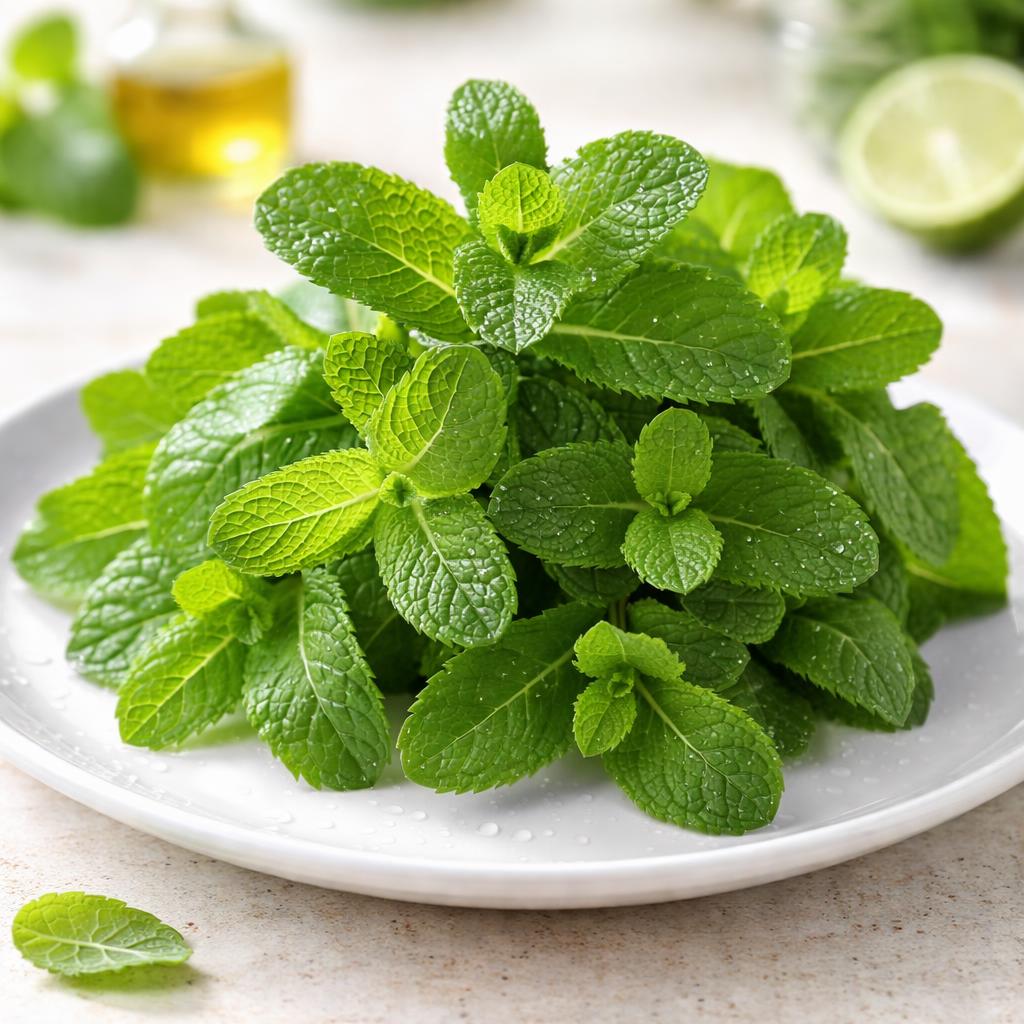
Mint
🎯 Quick Verdict
Cucumber and mint serve very different roles nutritionally. Cucumber is lower in calories and offers hydration due to its high water content, while mint stands out with higher protein and fiber content relative to its serving size. Cucumber works well for low-calorie snacks, whereas mint is ideal as a nutrient-dense flavor enhancer or digestive aid.

Smart Nutrition Tracking with SnapCalorie

📊 Nutritional Comparison
Macronutrients
| Nutrient | Food 1 | Food 2 | Winner |
|---|---|---|---|
| Calories | 16 (per 100g) | 70 (per 100g) | ✓ |
| Protein | 0.7g | 3g | ✓ |
| Carbs | 3.6g | 14g | ✓ |
| Fat | 0.1g | 0.6g | ✓ |
| Fiber | 0.5g | 8g | ✓ |
Vitamins & Minerals
| Nutrient | Food 1 | Food 2 | Winner |
|---|---|---|---|
| Vitamin C | 2.8mg | 31.8mg | ✓ |
| Vitamin K | 16.4mcg | 105mcg | ✓ |
| Folate (Vitamin B9) | 7mcg | 114mcg | ✓ |
🏆 Category Winners
Protein
Mint contains over four times the protein of cucumber per serving.
Fiber
Mint offers significant fiber content (8g per 100g) compared to cucumber.
Calories
Cucumber is exceptionally low-calorie (16 per 100g), making it ideal for weight management.
Vitamins
Mint is noticeably richer in vitamin C, vitamin K, and folate compared to cucumber.
🥗 Diet Compatibility
Keto
Food 1: Compatible
Food 2: Moderately Compatible
Cucumber is very low-carb, while mint contains moderate carbs but can fit within keto if portion-controlled.
Vegan
Food 1: Compatible
Food 2: Compatible
Both foods are plant-based.
Gluten Free
Food 1: Compatible
Food 2: Compatible
Neither contains gluten.
Paleo
Food 1: Compatible
Food 2: Compatible
Both are paleo-friendly, unprocessed plant foods.
Low-Carb
Food 1: Compatible
Food 2: Partially Compatible
Cucumber is extremely low-carb (3.6g per 100g), while mint is higher in carbs and may require portion control in strict low-carb diets.
💪 Health Benefits Comparison
Food 1 Benefits
- Exceptionally hydrating due to high water content (~95% water).
- Low in calories, making it ideal for weight management.
- Contains antioxidants like beta-carotene for skin health.
Food 2 Benefits
- Rich in vitamin C to support immune health.
- Good source of dietary fiber for digestion.
- Contains compounds like menthol that may aid digestion and reduce bloating.
- Offers high levels of vitamin K for blood clotting and bone health.
✅ The Bottom Line
Cucumber is an excellent choice for hydration, low-calorie snacking, and weight management, while mint shines as a nutrient-dense herb rich in fiber and vitamins. Use cucumber in salads, smoothies, or as a refreshing snack, and incorporate mint as a digestive aid or flavor enhancer in teas, dishes, or desserts.
Choose Food 1 for: Hydration, low-calorie diets, refreshing snacks
Choose Food 2 for: Digestive health, antioxidant boost, nutrient density


