Cucumber VS Low Carb Tortilla
A detailed nutritional comparison
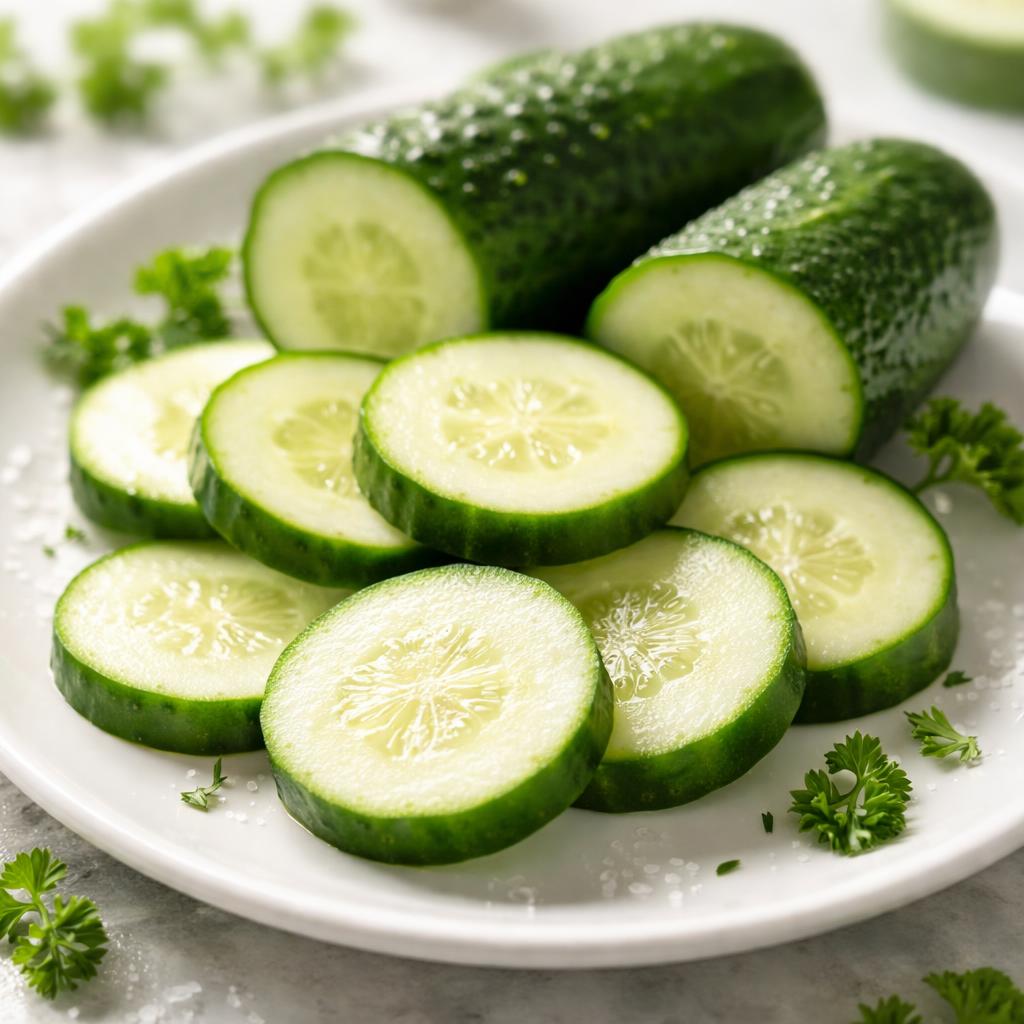
Cucumber
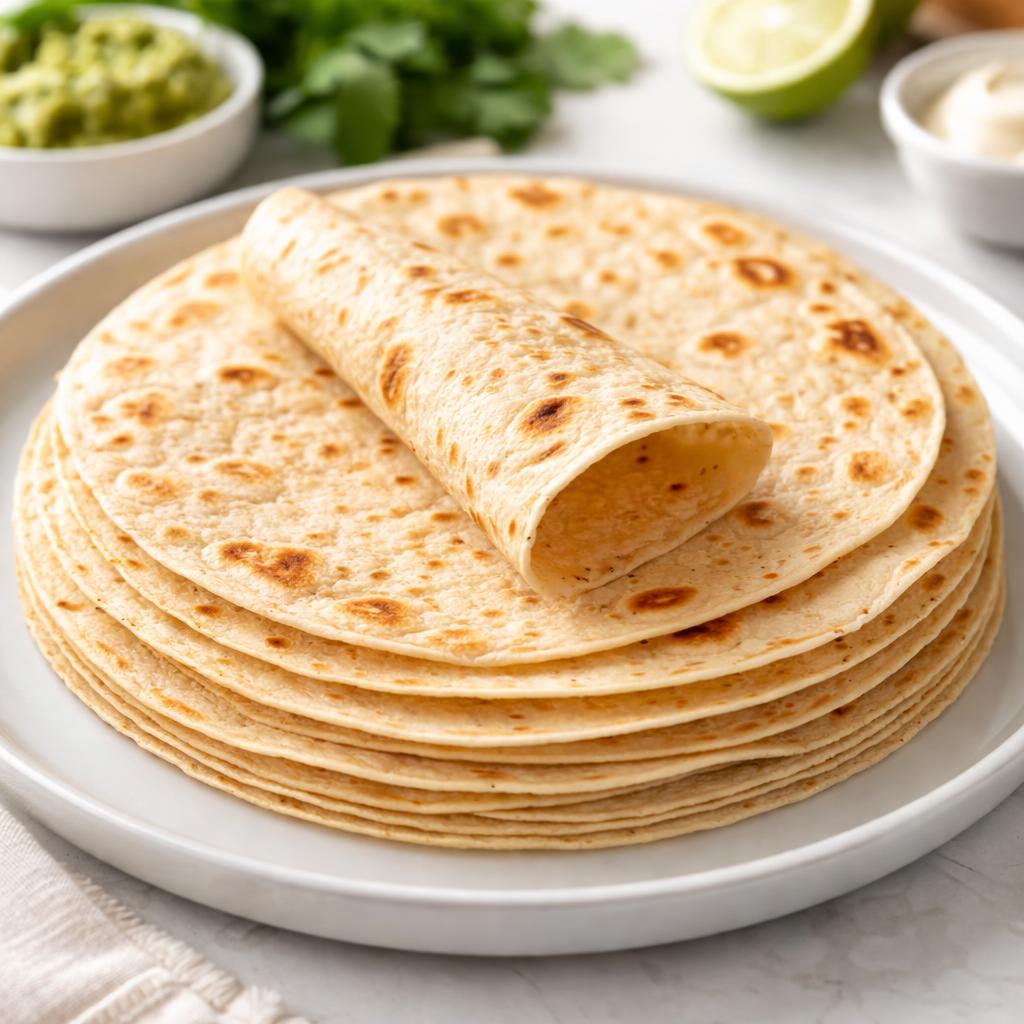
Low Carb Tortilla
🎯 Quick Verdict
Cucumber is extremely low in calories and provides hydration, while low-carb tortillas are more nutrient-dense with higher protein and fiber content. Cucumber is ideal for calorie-conscious diets and snacking, while tortillas are better for a balanced meal or as a base for wraps in low-carb diets.

Smart Nutrition Tracking with SnapCalorie

📊 Nutritional Comparison
Macronutrients
| Nutrient | Food 1 | Food 2 | Winner |
|---|---|---|---|
| Calories | 16 | 70 | ✓ |
| Protein | 0.7g | 5g | ✓ |
| Carbs | 3.6g | 15g | ✓ |
| Fat | 0.1g | 3g | ✓ |
| Fiber | 0.5g | 11g | ✓ |
Vitamins & Minerals
| Nutrient | Food 1 | Food 2 | Winner |
|---|---|---|---|
| Vitamin C | 3mg | 0mg | ✓ |
| Vitamin A | 5mcg | 0mcg | ✓ |
| Calcium | 15mg | 90mg | ✓ |
| Iron | 0.3mg | 1mg | ✓ |
🏆 Category Winners
Protein
Low-carb tortillas have significantly more protein (5g vs. 0.7g).
Fiber
Tortillas contain 11g of fiber compared to only 0.5g in cucumber.
Calories
Cucumber is much lower in calories, with only 16 per serving.
Vitamins
Cucumber provides Vitamin C and Vitamin A, which are absent in tortillas.
🥗 Diet Compatibility
Keto
Food 1: Not Compatible
Food 2: Compatible
Cucumber is low in carbs but lacks protein and fats, while tortillas are ideal for keto meal planning with moderate carbs and balanced macros.
Vegan
Food 1: Compatible
Food 2: Compatible
Both are plant-based and suitable for vegan diets.
Gluten Free
Food 1: Compatible
Food 2: Check specific brands
Cucumber is naturally gluten-free, while tortilla compatibility depends on the brand's ingredients.
Paleo
Food 1: Compatible
Food 2: Not Compatible
Cucumber is paleo-friendly, while tortillas do not meet paleo guidelines due to processed ingredients.
Low-Carb
Food 1: Compatible
Food 2: Compatible
Both fit into low-carb diets, but tortillas are more nutrient-dense despite slightly higher carbs.
💪 Health Benefits Comparison
Food 1 Benefits
- Extremely low in calories, ideal for weight management
- Provides hydration with high water content
- Rich in antioxidants like Vitamin C and A for immune health
Food 2 Benefits
- High protein content supports muscle maintenance
- Rich in fiber for digestive health and satiety
- Contains calcium and iron for bone health and energy metabolism
✅ The Bottom Line
Choose cucumber for hydration, light snacking, and when calorie control is important. Opt for low-carb tortillas as part of a balanced meal or when prioritizing higher protein and fiber intake in low-carb diets.
Choose Food 1 for: Snacking, weight loss, hydration
Choose Food 2 for: Balanced keto meals, sustained energy, digestive health


