Cucumber VS Lime Juice
A detailed nutritional comparison
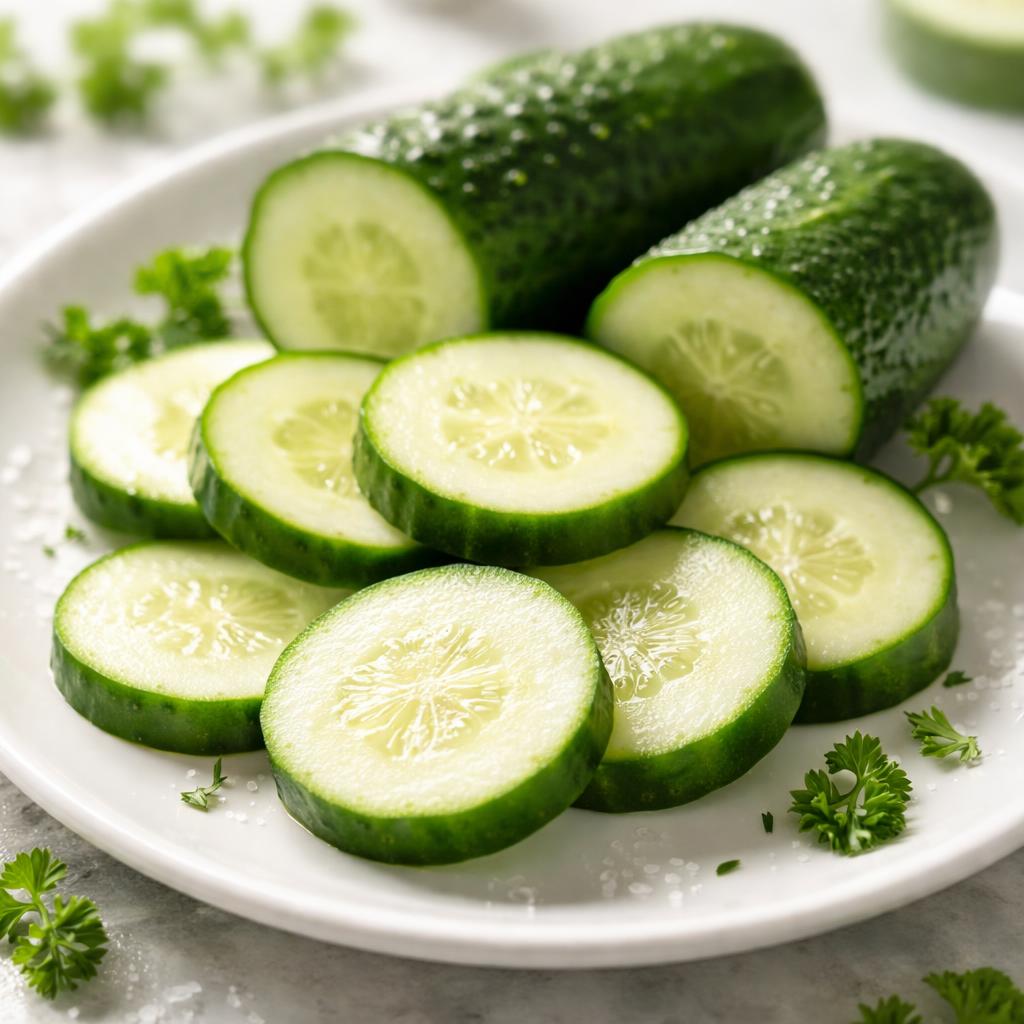
Cucumber

Lime Juice
🎯 Quick Verdict
Cucumber and lime juice offer distinct nutritional benefits. Cucumber is higher in protein, fiber, and several essential vitamins, making it a better choice for filling and nourishing meals. Lime juice is rich in vitamin C and provides tangy flavor but lacks macronutrient density, making it ideal as a condiment or for added zest in recipes.

Smart Nutrition Tracking with SnapCalorie

📊 Nutritional Comparison
Macronutrients
| Nutrient | Food 1 | Food 2 | Winner |
|---|---|---|---|
| Calories | 15 | 15 | − |
| Protein | 0.7g | 0.2g | ✓ |
| Carbs | 3.6g | 5.2g | ✓ |
| Fat | 0.1g | 0.0g | ✓ |
| Fiber | 0.5g | 0.1g | ✓ |
Vitamins & Minerals
| Nutrient | Food 1 | Food 2 | Winner |
|---|---|---|---|
| Vitamin C | 3mg | 20mg | ✓ |
| Potassium | 150mg | 65mg | ✓ |
| Calcium | 16mg | 22mg | ✓ |
| Iron | 0.3mg | 0.1mg | ✓ |
🏆 Category Winners
Protein
Cucumber contains 3.5 times more protein than lime juice per serving.
Fiber
Cucumber provides 5 times more fiber than lime juice.
Calories
Both foods are extremely low-calorie (approximately 15 calories per serving).
Vitamins
Lime juice excels in vitamin C content, offering more than 6 times the amount in cucumber.
🥗 Diet Compatibility
Keto
Food 1: Compatible
Food 2: Compatible
Both foods are low-carb and suitable for ketogenic diets.
Vegan
Food 1: Compatible
Food 2: Compatible
Both are plant-based and include no animal products.
Gluten Free
Food 1: Compatible
Food 2: Compatible
Neither contains gluten, making them safe for gluten-free diets.
Paleo
Food 1: Compatible
Food 2: Compatible
Both are whole, natural foods allowed on paleo diets.
Low Carb
Food 1: Compatible
Food 2: Compatible
Both contain very minimal carbohydrates, staying under 6g per serving.
💪 Health Benefits Comparison
Food 1 Benefits
- Hydrating due to high water content
- Supports digestion with its natural fiber
- Provides potassium to aid in muscle function
- Contains antioxidants for overall wellness
Food 2 Benefits
- Rich in vitamin C to boost immunity
- Aids in digestion and helps alkalize the body
- Provides a tangy flavor to enhance meals without excess calories
- Contains moderate calcium to support bone health
✅ The Bottom Line
Cucumber is better for nutrient density and filling meals, while lime juice is best as an added flavor enhancer. Choose cucumber for salads or snacks and lime juice to elevate drinks or recipes with a high dose of vitamin C.
Choose Food 1 for: Hydration, salads, digestion support, low-calorie snacks
Choose Food 2 for: Immunity boost, flavor enhancement, alkalizing health, drinks and marinades


