Cucumber VS Lemon Juice
A detailed nutritional comparison
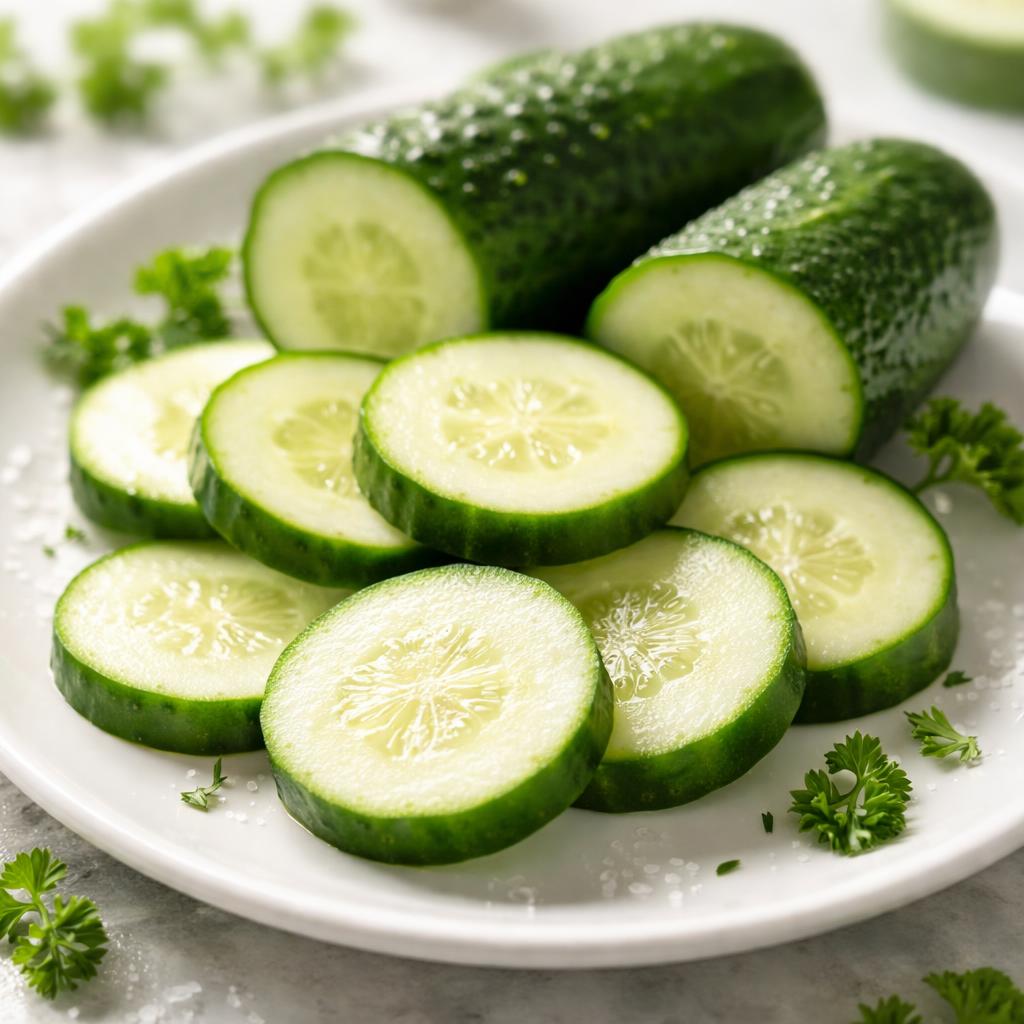
Cucumber

Lemon Juice
🎯 Quick Verdict
Cucumber and lemon juice serve distinct purposes in a diet. Cucumber offers low calories, fiber, and hydration, making it an excellent snack or salad addition. Lemon juice, while very low in calories, is primarily used for flavoring and contains higher vitamin C but less overall nutrition compared to cucumber.

Smart Nutrition Tracking with SnapCalorie

📊 Nutritional Comparison
Macronutrients
| Nutrient | Food 1 | Food 2 | Winner |
|---|---|---|---|
| Calories | 15 per 100g | 29 per 100g | ✓ |
| Protein | 0.7g per 100g | 0.4g per 100g | − |
| Carbs | 3.6g per 100g | 9.1g per 100g | ✓ |
| Fat | 0.1g per 100g | 0.2g per 100g | ✓ |
| Fiber | 0.5g per 100g | 0.1g per 100g | ✓ |
Vitamins & Minerals
| Nutrient | Food 1 | Food 2 | Winner |
|---|---|---|---|
| Vitamin C | 3mg per 100g | 38mg per 100g | ✓ |
| Vitamin K | 16mcg per 100g | 0.1mcg per 100g | ✓ |
| Potassium | 147mg per 100g | 100mg per 100g | ✓ |
🏆 Category Winners
Protein
Both have negligible protein content, making it a tie.
Fiber
Cucumber has 5 times more fiber than lemon juice.
Calories
Cucumber provides almost half the calories of lemon juice per 100g.
Vitamins
Lemon juice excels in Vitamin C, providing 12 times more than cucumber.
🥗 Diet Compatibility
Keto
Food 1: Compatible
Food 2: Compatible
Both have very low carb profiles.
Vegan
Food 1: Compatible
Food 2: Compatible
Both are plant-based and vegan-friendly.
Gluten Free
Food 1: Compatible
Food 2: Compatible
Neither contains gluten.
Paleo
Food 1: Compatible
Food 2: Compatible
Both align with paleo dietary principles.
Low Carb
Food 1: Compatible
Food 2: Compatible
Both are low in carbohydrates and fit into a low-carb diet effectively.
💪 Health Benefits Comparison
Food 1 Benefits
- Highly hydrating due to over 95% water content.
- Low-calorie snack for weight management.
- Contains antioxidants that support skin health.
- Provides potassium and Vitamin K for heart and bone health.
Food 2 Benefits
- Rich source of Vitamin C for immune system support.
- Stimulates digestive health and can help alkalize the body.
- Contains antioxidants to combat free radical damage.
- Low-calorie option for flavoring foods and drinks.
✅ The Bottom Line
Cucumber is a nutrient-dense, low-calorie food best suited for snacking, salads, and hydration. Lemon juice, rich in Vitamin C, is ideal for flavoring dishes and beverages, and promoting digestion. Both are excellent additions to a healthy diet, but cucumber wins overall for versatility and broader nutritional benefits.
Choose Food 1 for: Hydration, weight management, snacking, salads
Choose Food 2 for: Vitamin C boost, flavor enhancement, digestion support, detox drinks


