Cucumber VS Greek Yogurt
A detailed nutritional comparison
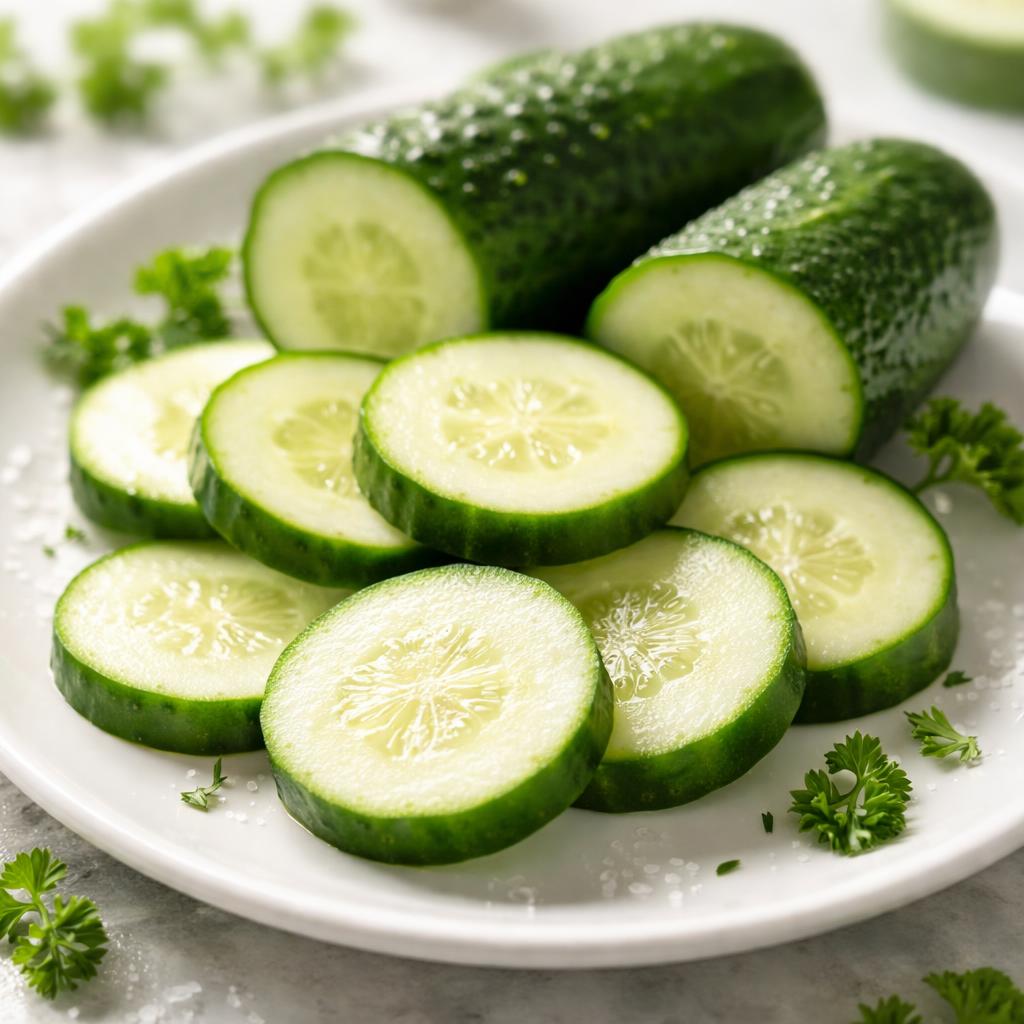
Cucumber

Greek Yogurt
🎯 Quick Verdict
Greek yogurt provides significantly more protein, making it ideal for recovery and muscle maintenance, whereas cucumber is extremely low in calories and contains more fiber, perfect for hydration and snacking. Both foods have different roles in a balanced diet and can complement each other well.

Smart Nutrition Tracking with SnapCalorie

📊 Nutritional Comparison
Macronutrients
| Nutrient | Food 1 | Food 2 | Winner |
|---|---|---|---|
| Calories | 15 | 100 | ✓ |
| Protein | 0.6g | 10g | ✓ |
| Carbs | 3.6g | 4g | ✓ |
| Fat | 0.1g | 3g | ✓ |
| Fiber | 0.5g | 0g | ✓ |
Vitamins & Minerals
| Nutrient | Food 1 | Food 2 | Winner |
|---|---|---|---|
| Vitamin C | 3mg | 0mg | ✓ |
| Calcium | 16mg | 110mg | ✓ |
| Vitamin A | 5mcg | 7mcg | ✓ |
| Iron | 0.3mg | 0mg | ✓ |
🏆 Category Winners
Protein
Greek yogurt is a protein powerhouse with 10g per serving compared to cucumber's 0.6g.
Fiber
Cucumber has 0.5g of fiber per serving, whereas Greek yogurt contains none.
Calories
Cucumber is extremely low-calorie at only 15 calories per serving.
Vitamins
Cucumber provides more Vitamin C and Iron, beneficial for immunity and oxygen transport.
🥗 Diet Compatibility
Keto
Food 1: Compatible
Food 2: Compatible
Both are low-carb and fit into a keto diet.
Vegan
Food 1: Compatible
Food 2: Not Compatible
Cucumber is plant-based but Greek yogurt contains dairy.
Gluten Free
Food 1: Compatible
Food 2: Compatible
Neither food contains gluten.
Paleo
Food 1: Compatible
Food 2: Not Compatible
Cucumber aligns with paleo principles, but Greek yogurt does not due to dairy.
Low-Carb
Food 1: Compatible
Food 2: Compatible
Both foods have minimal carbohydrate content.
💪 Health Benefits Comparison
Food 1 Benefits
- Low in calories, ideal for weight loss
- Contains fiber for better digestion
- High water content for hydration
- Provides Vitamin C for immunity and skin health
Food 2 Benefits
- Rich in protein for muscle repair and maintenance
- Good source of calcium for bone health
- Contains probiotics to support gut health
- Provides Vitamin A, beneficial for vision and skin health
✅ The Bottom Line
For low-calorie snacking, hydration, and fiber intake, cucumber is the standout choice, especially for weight loss plans. Greek yogurt is the better option for protein and probiotics, making it ideal for post-workout recovery and gut health. Pairing them together can create a balanced, nutrient-dense meal or snack.
Choose Food 1 for: Weight loss, hydration, snacking
Choose Food 2 for: Muscle recovery, gut health, bone support


