Cucumber VS Fruit
A detailed nutritional comparison
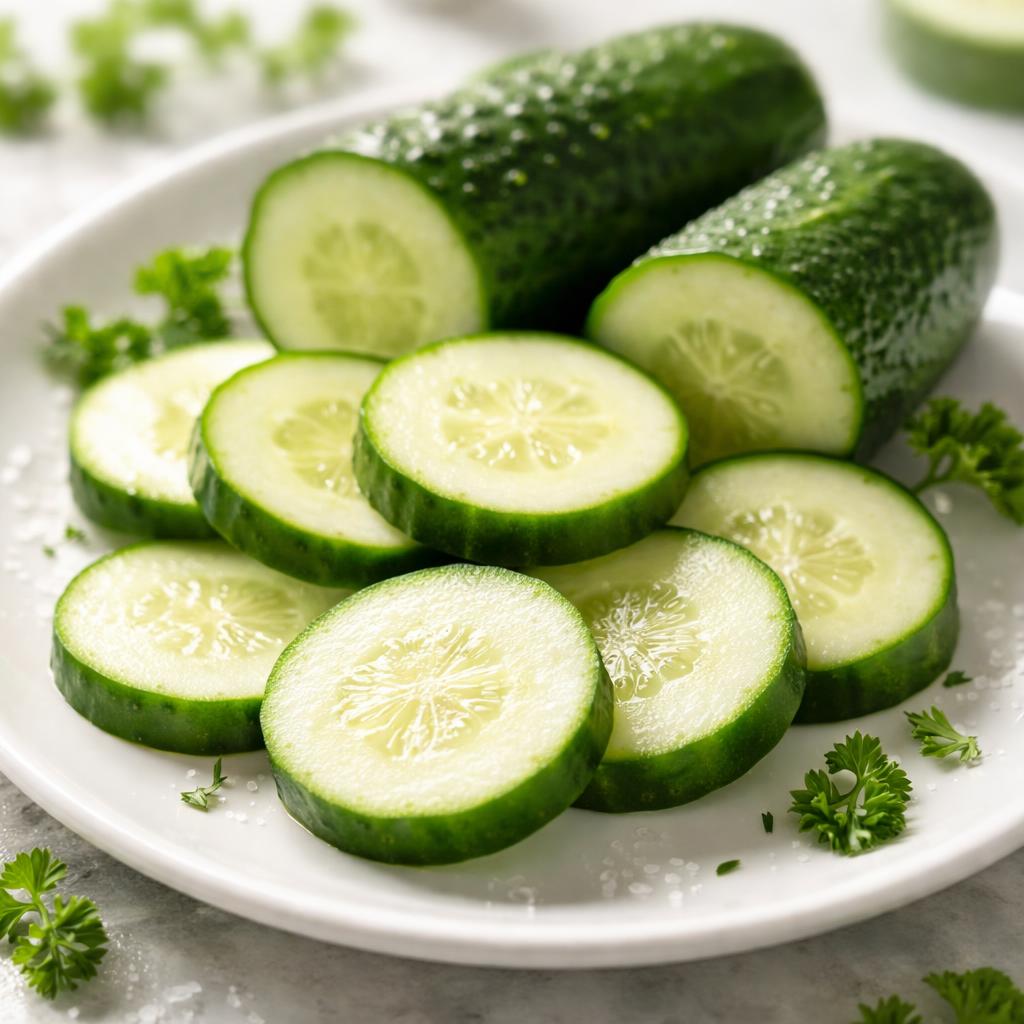
Cucumber
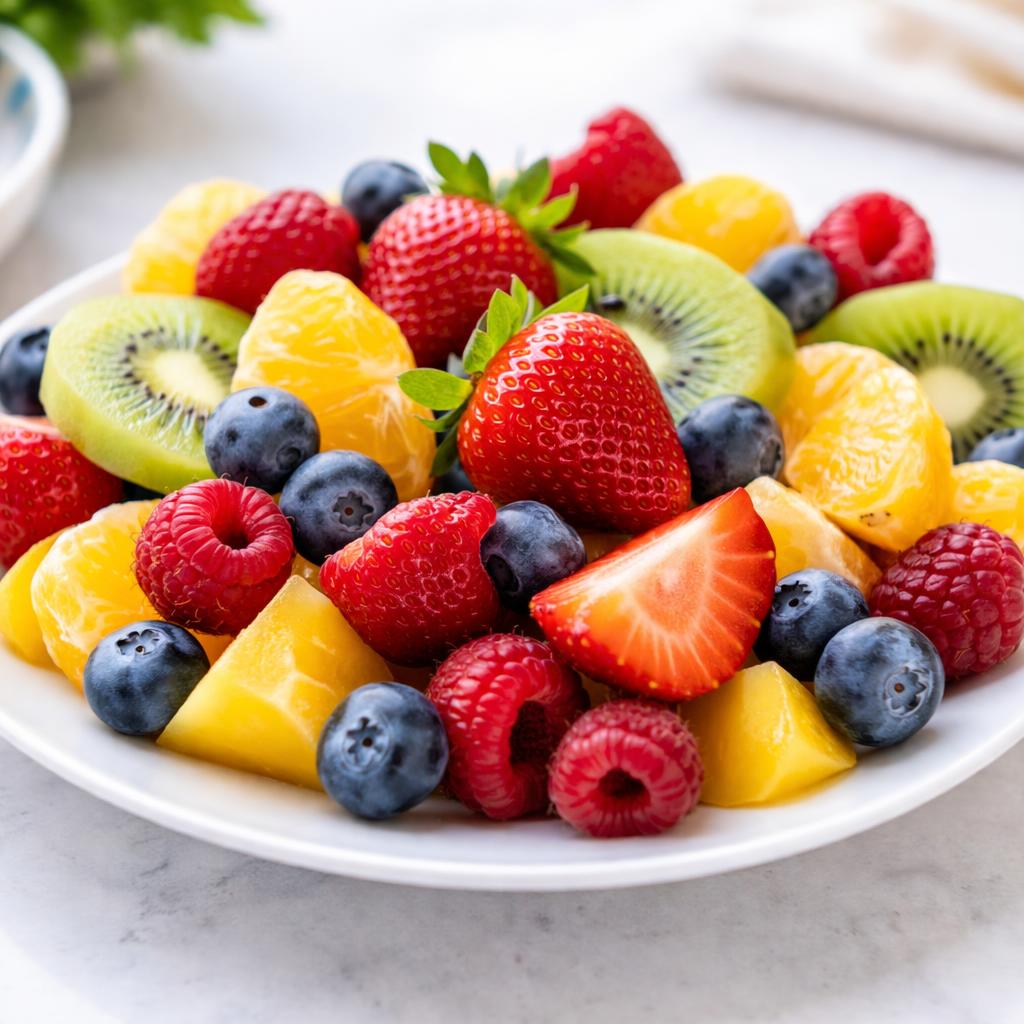
Fruit
🎯 Quick Verdict
Cucumber is very low in calories, carbs, and fat, making it ideal for weight management and hydration. Fruit is nutrient-dense, higher in fiber, natural sugars, and vitamins, providing sustained energy and general health benefits. Choose cucumbers for light snacking or salads, and fruit for energy or nutrient boosts.

Smart Nutrition Tracking with SnapCalorie

📊 Nutritional Comparison
Macronutrients
| Nutrient | Food 1 | Food 2 | Winner |
|---|---|---|---|
| Calories | 15 | 60 (average) | ✓ |
| Protein | 0.7g | 0.7g (average) | − |
| Carbs | 3.6g | 15g (average) | ✓ |
| Fat | 0.1g | 0.2g (average) | ✓ |
| Fiber | 0.5g | 2g (average) | ✓ |
Vitamins & Minerals
| Nutrient | Food 1 | Food 2 | Winner |
|---|---|---|---|
| Vitamin C | 3.2mg | 50mg (average) | ✓ |
| Vitamin A | 105IU | 900IU (average) | ✓ |
| Potassium | 150mg | 200mg (average) | ✓ |
🏆 Category Winners
Protein
Both cucumber and fruit contain approximately 0.7g of protein per serving.
Fiber
Fruit contains four times more fiber than cucumber, aiding digestion and gut health.
Calories
Cucumber is exceptionally low in calories with only 15 per serving.
Vitamins
Fruit contains significantly higher levels of Vitamin C, Vitamin A, and potassium.
🥗 Diet Compatibility
Keto
Food 1: Compatible
Food 2: Not Compatible
Cucumber is low-carb, while fruit contains higher natural sugars.
Vegan
Food 1: Compatible
Food 2: Compatible
Both foods are plant-based.
Gluten Free
Food 1: Compatible
Food 2: Compatible
Neither food contains gluten.
Paleo
Food 1: Compatible
Food 2: Compatible
Both are whole, unprocessed foods allowed in the paleo diet.
Low-Carb
Food 1: Compatible
Food 2: Not Compatible
Cucumber is low in carbs (3.6g per serving), while fruit is higher (15g on average).
💪 Health Benefits Comparison
Food 1 Benefits
- Extremely low in calories for weight management
- Rich in hydration, supporting proper fluid balance
- Contains antioxidant compounds for reducing inflammation
Food 2 Benefits
- High in fiber for improved gut health
- Rich in vitamins C and A for immune and eye health
- Provides sustained energy due to natural sugars and carbs
✅ The Bottom Line
Cucumber is best for those looking to lose weight or stay hydrated with a low-calorie, low-carb food. Fruit is an excellent choice for those seeking fiber, vitamins, and sustained energy. Use cucumber for light, refreshing snacks or salads, and fruit for post-workout recovery or nutrient-density snacks.
Choose Food 1 for: Weight loss, hydration, low-carb diets
Choose Food 2 for: Energy maintenance, nutrient boost, digestive health


