Cucumber VS Fat
A detailed nutritional comparison
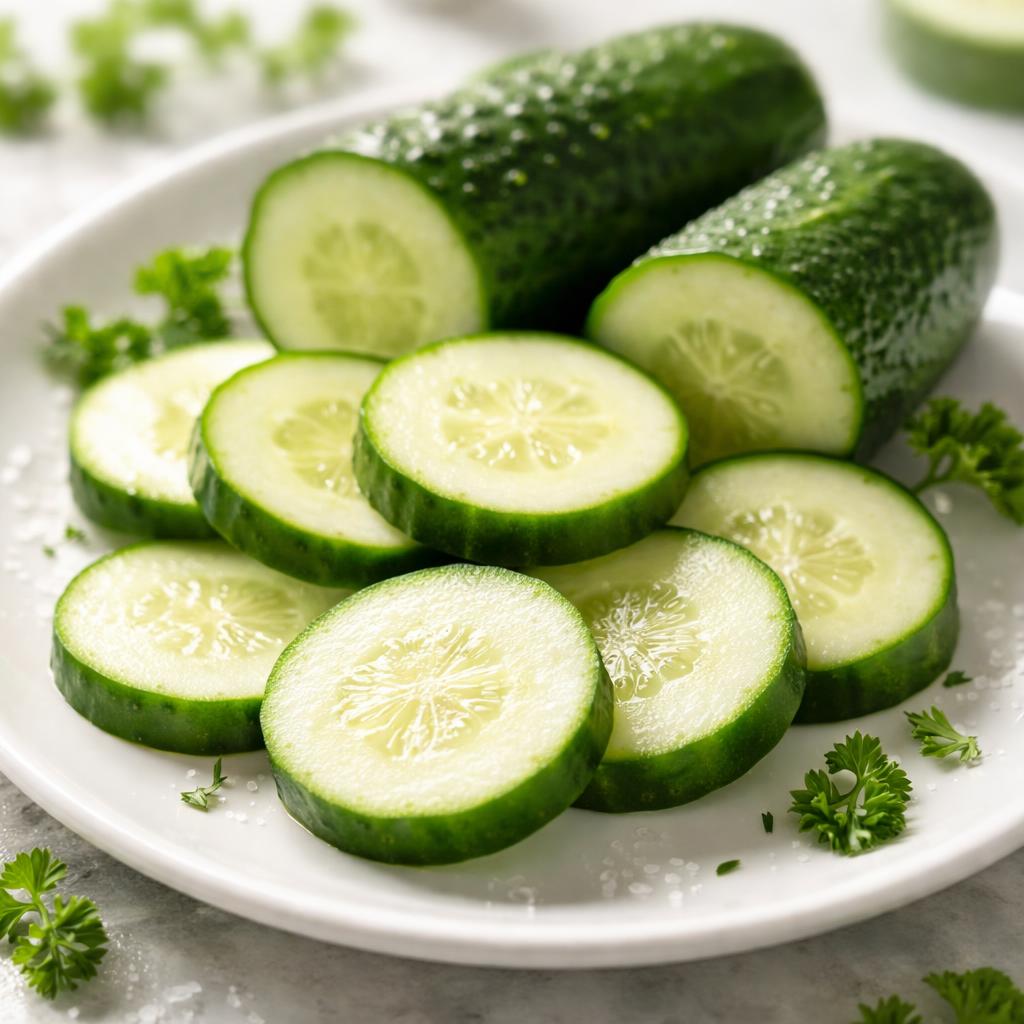
Cucumber

Fat
🎯 Quick Verdict
Cucumber and fat serve very different dietary purposes. Cucumber is a low-calorie, nutrient-rich vegetable providing fiber and hydration. Fat, on the other hand, is calorie-dense and essential for absorbing fat-soluble vitamins and supporting energy needs during keto or high-fat diets. Cucumber is better for weight loss and digestion, while fat is vital for energy-dense meals and cellular health.

Smart Nutrition Tracking with SnapCalorie

📊 Nutritional Comparison
Macronutrients
| Nutrient | Food 1 | Food 2 | Winner |
|---|---|---|---|
| Calories | 15 (per 100g) | 900 (per 100g) | − |
| Protein | 0.65g (per 100g) | 0g (per 100g) | − |
| Carbs | 3.63g (per 100g) | 0g (per 100g) | − |
| Fat | 0.11g (per 100g) | 100g (per 100g) | − |
| Fiber | 0.5g (per 100g) | 0g (per 100g) | − |
Vitamins & Minerals
| Nutrient | Food 1 | Food 2 | Winner |
|---|---|---|---|
| Vitamin C | 2.8mg (per 100g) | 0mg (per 100g) | − |
| Vitamin K | 16.1mcg (per 100g) | 0mcg (per 100g) | − |
| Vitamin A | 105 IU (per 100g) | 0 IU (per 100g) | − |
🏆 Category Winners
Protein
Cucumber contains 0.65g of protein, whereas fat has none.
Fiber
Cucumber provides 0.5g of fiber per 100g, while fat has none.
Calories
Cucumber has significantly fewer calories per 100g (15 vs. 900).
Vitamins
Cucumber contains multiple vitamins, including vitamin C, vitamin K, and vitamin A, which fat does not provide.
🥗 Diet Compatibility
Keto
Food 1: Compatible
Food 2: Compatible
Both are low in carbs, suitable for keto diets.
Vegan
Food 1: Compatible
Food 2: Compatible
Both cucumber and fat can be plant-based depending on the source of fat.
Gluten Free
Food 1: Compatible
Food 2: Compatible
Neither food contains gluten inherently.
Paleo
Food 1: Compatible
Food 2: Compatible
Both are natural and unprocessed foods suitable for paleo diets.
Low-Carb
Food 1: Compatible
Food 2: Compatible
Both are low-carb options, with cucumber being nutrient-rich and fat offering energy.
💪 Health Benefits Comparison
Food 1 Benefits
- Hydrates the body due to high water content
- Provides antioxidants like vitamin C for immune support
- Contains fiber for improved digestion and gut health
- Rich in vitamin K for bone health and blood clotting
Food 2 Benefits
- Essential for energy storage and brain function
- Helps maintain healthy cellular membranes
- Supports absorption of fat-soluble vitamins (A, D, E, K)
- Provides long-lasting energy, especially for keto diets
✅ The Bottom Line
Choose cucumber when aiming for hydration, vitamins, and digestion support, especially on low-calorie diets. Opt for fat when needing dense energy sources, healthy essential fats, or support for fat-soluble vitamin absorption.
Choose Food 1 for: Weight loss, hydration, digestion support, nutrient density
Choose Food 2 for: Keto diets, high-energy needs, vitamin absorption, cellular health


