Cucumber VS Egg Bites
A detailed nutritional comparison
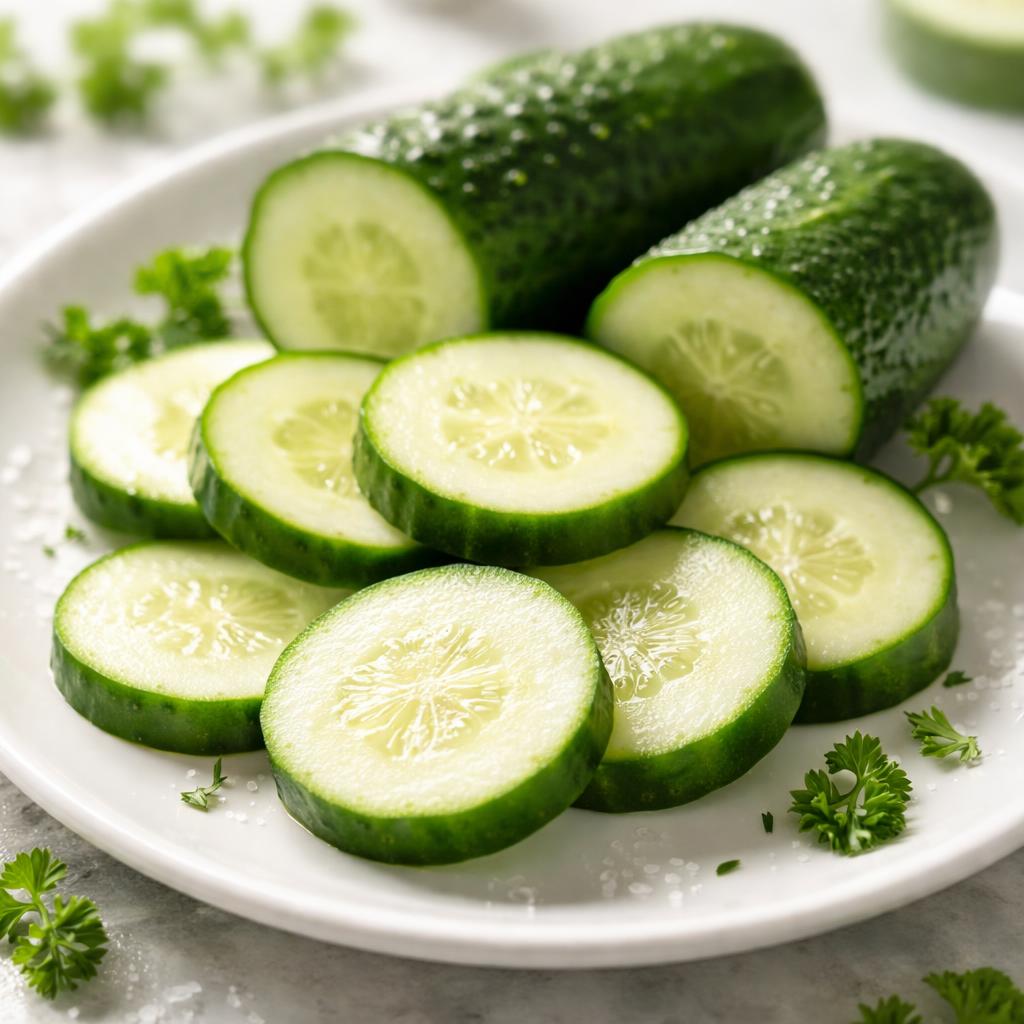
Cucumber

Egg Bites
🎯 Quick Verdict
Cucumber and egg bites serve very different roles in a diet. Cucumber is extremely low in calories and high in water content, making it ideal for hydration and light snacking. Egg bites are nutrient-dense with significantly more protein and fat, making them better suited for energy and muscle recovery. Both are highly versatile but cater to different dietary priorities.

Smart Nutrition Tracking with SnapCalorie

📊 Nutritional Comparison
Macronutrients
| Nutrient | Food 1 | Food 2 | Winner |
|---|---|---|---|
| Calories | 16 | 180 | ✓ |
| Protein | 0.7g | 13g | ✓ |
| Carbs | 3.6g | 6g | ✓ |
| Fat | 0.1g | 11g | ✓ |
| Fiber | 0.5g | 0g | ✓ |
Vitamins & Minerals
| Nutrient | Food 1 | Food 2 | Winner |
|---|---|---|---|
| Vitamin D | 0mcg | 2mcg | ✓ |
| Calcium | 14mg | 150mg | ✓ |
| Iron | 0.3mg | 1mg | ✓ |
🏆 Category Winners
Protein
Egg bites are an excellent protein source at 13g, compared to cucumber's 0.7g.
Fiber
Cucumbers contribute some fiber (0.5g), while egg bites have none.
Calories
Cucumber contains significantly fewer calories than egg bites (16 vs 180 per serving).
🥗 Diet Compatibility
Keto
Food 1: Compatible
Food 2: Compatible
Both foods are low in carbs and can fit well into a ketogenic diet.
Vegan
Food 1: Compatible
Food 2: Not Compatible
Egg bites contain animal products, while cucumber is plant-based.
Gluten Free
Food 1: Compatible
Food 2: Compatible
Neither food contains gluten.
Paleo
Food 1: Compatible
Food 2: Compatible
Both foods align with paleo guidelines.
Low-Carb
Food 1: Compatible
Food 2: Compatible
Both foods are low in carbohydrates and work well for low-carb diets.
💪 Health Benefits Comparison
Food 1 Benefits
- Extremely hydrating due to high water content
- Low-calorie option for weight management
- Contains antioxidants that support skin health
- Provides small amounts of vitamins and minerals like vitamin K
Food 2 Benefits
- High in protein for muscle repair and growth
- Rich in healthy fats for sustained energy
- Provides essential nutrients like vitamin D and calcium for bone health
- Supports satiety due to its nutrient density
✅ The Bottom Line
Choose cucumber if you’re looking for a refreshing, low-calorie snack or a hydrating addition to meals. Opt for egg bites if you need a nutrient-dense, high-protein option for sustained energy or post-workout recovery.
Choose Food 1 for: Weight loss, hydration, light snacking
Choose Food 2 for: High-protein diets, muscle recovery, energy sustenance


