Cucumber VS Cucumbers
A detailed nutritional comparison
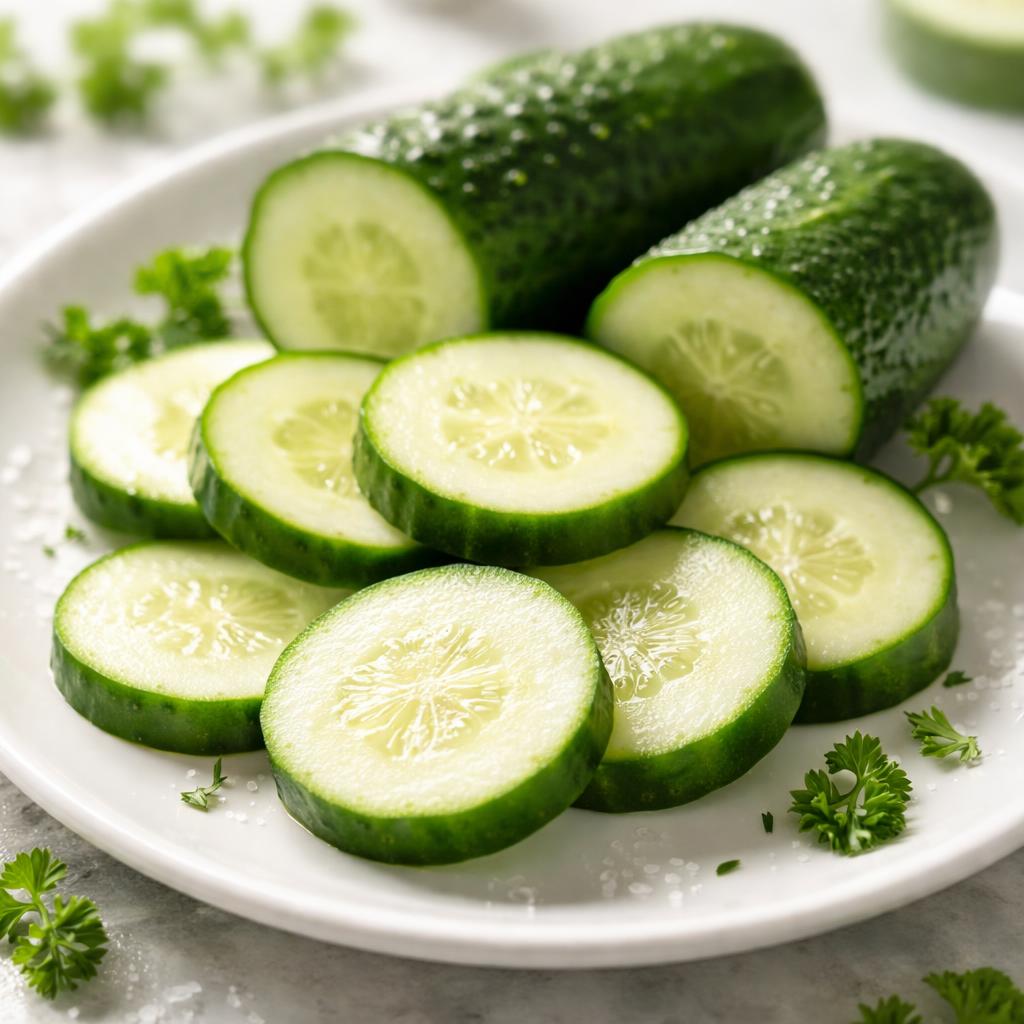
Cucumber
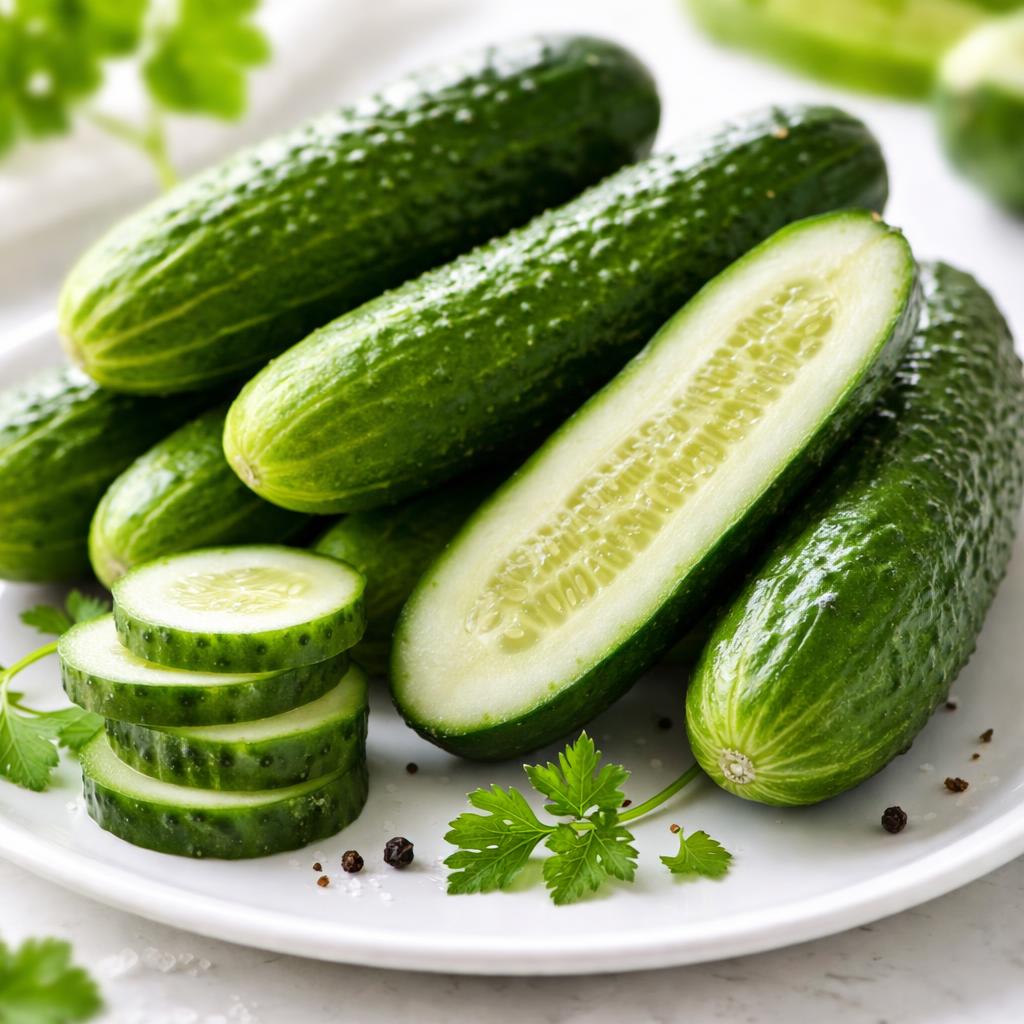
Cucumbers
🎯 Quick Verdict
Cucumber and cucumbers are essentially the same food, and thus their nutritional profiles are identical. Both offer very low calories, minimal protein, and a moderate amount of fiber. They are ideal for hydration due to their high water content and work well in low-calorie diets or as refreshing snacks.

Smart Nutrition Tracking with SnapCalorie

📊 Nutritional Comparison
Macronutrients
| Nutrient | Food 1 | Food 2 | Winner |
|---|---|---|---|
| Calories | 15 calories (per 100g) | 15 calories (per 100g) | − |
| Protein | 0.65g (per 100g) | 0.65g (per 100g) | − |
| Carbs | 3.63g (per 100g) | 3.63g (per 100g) | − |
| Fat | 0.11g (per 100g) | 0.11g (per 100g) | − |
| Fiber | 0.5g (per 100g) | 0.5g (per 100g) | − |
Vitamins & Minerals
| Nutrient | Food 1 | Food 2 | Winner |
|---|---|---|---|
| Vitamin C | 2.8mg (per 100g) | 2.8mg (per 100g) | − |
| Vitamin K | 16.4mcg (per 100g) | 16.4mcg (per 100g) | − |
| Potassium | 147mg (per 100g) | 147mg (per 100g) | − |
🏆 Category Winners
Protein
Both have the same protein content of 0.65g per 100g.
Fiber
Both provide 0.5g of fiber per 100g.
Calories
Both are extremely low in calories—15 calories per 100g.
Vitamins
Identical vitamin profiles, including Vitamin C and K.
🥗 Diet Compatibility
Keto
Food 1: Compatible
Food 2: Compatible
Both are low-carb with 3.63g carbs per 100g.
Vegan
Food 1: Compatible
Food 2: Compatible
Both are plant-based vegetables.
Gluten Free
Food 1: Compatible
Food 2: Compatible
Neither contains any gluten.
Paleo
Food 1: Compatible
Food 2: Compatible
Both fit within a paleo diet (natural, whole food).
Low Carb
Food 1: Compatible
Food 2: Compatible
Low in carbohydrates at 3.63g per 100g.
💪 Health Benefits Comparison
Food 1 Benefits
- High water content for hydration
- Provides Vitamin K for bone health and blood clotting
- Low calorie and versatile for weight loss diets
Food 2 Benefits
- Rich in antioxidants for fighting oxidative stress
- Supports digestion due to fiber content
- Low calorie for aiding in calorie deficit diets
✅ The Bottom Line
Cucumber and cucumbers are nutritionally identical, so choosing between them simply comes down to how you prefer them in meals or snacks. Both are excellent for hydration, low-calorie diets, and adding crunch to dishes without increasing calorie load.
Choose Food 1 for: Hydration, refreshing snacks, garnishes
Choose Food 2 for: Adding crunch to salads, low-calorie bulk in meals


