Cucumber VS Couscous Salad
A detailed nutritional comparison
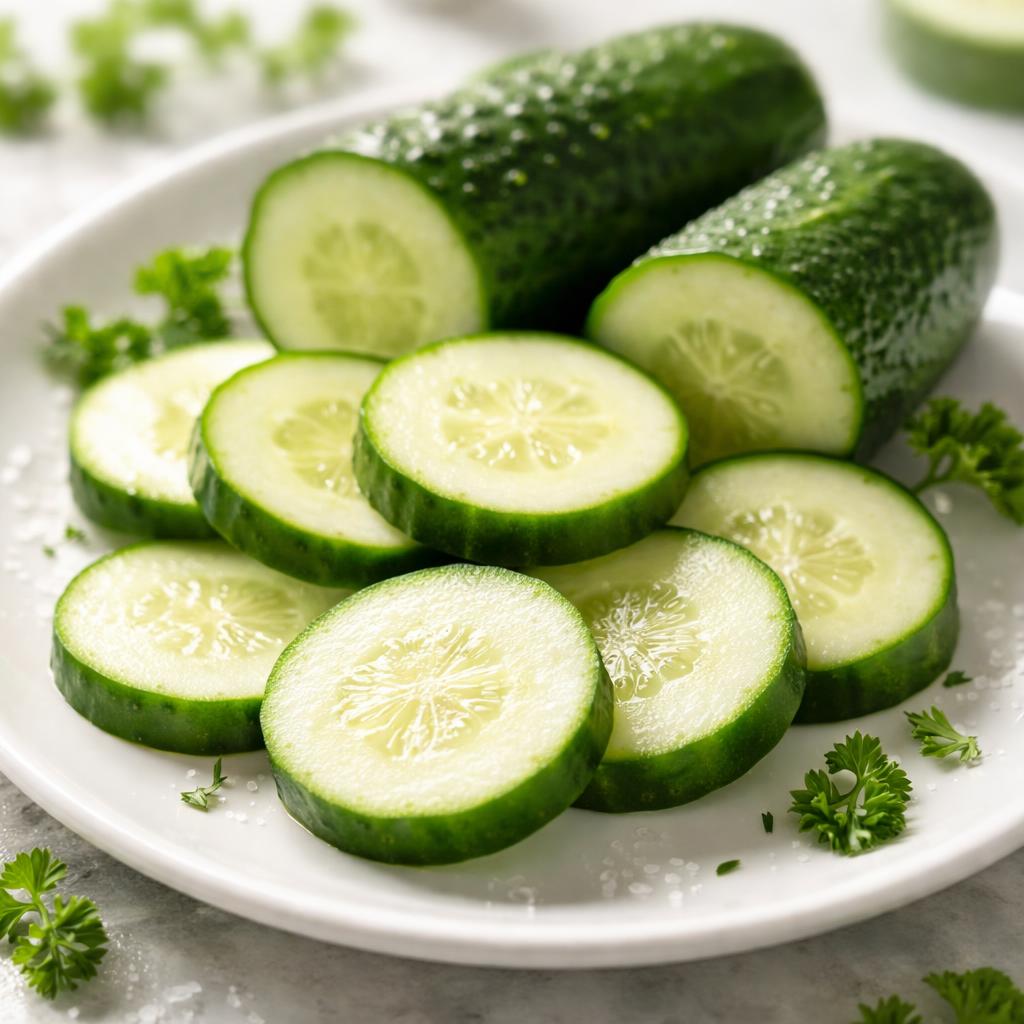
Cucumber
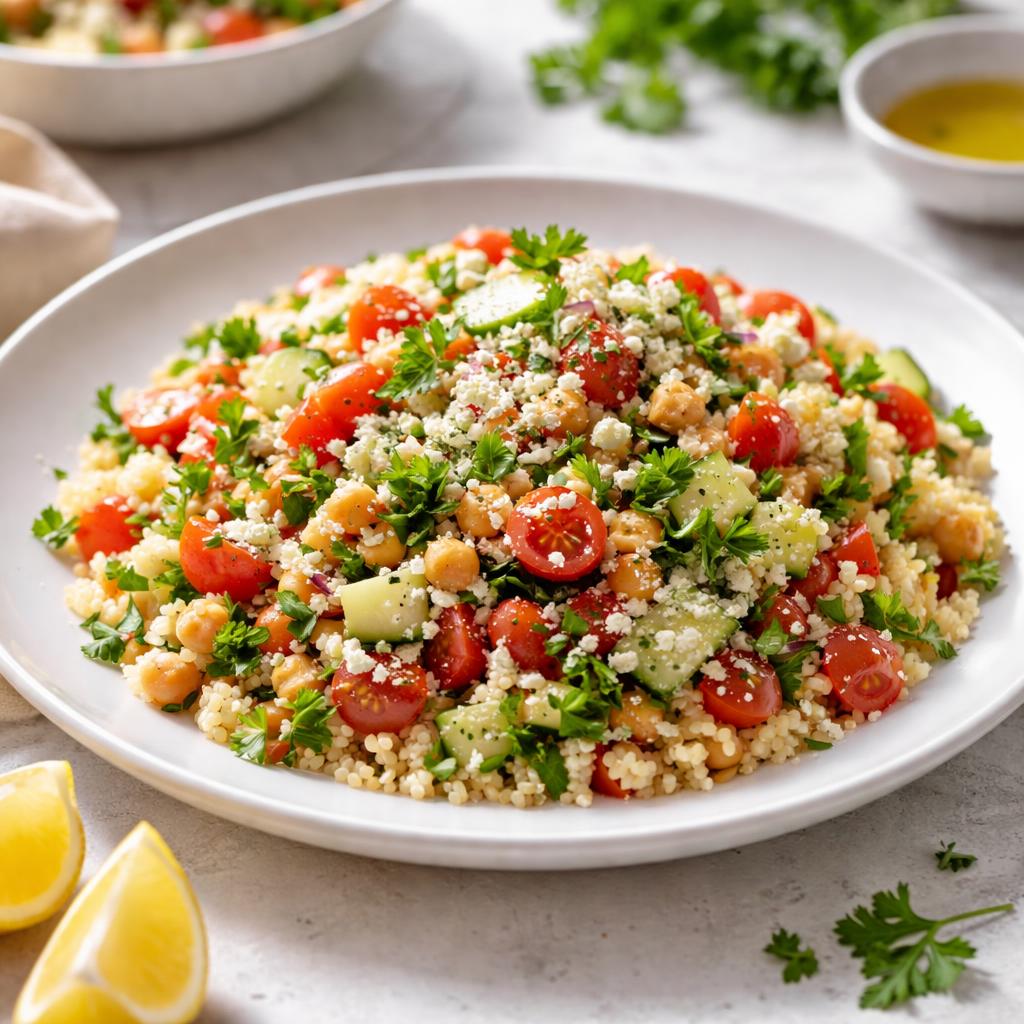
Couscous Salad
🎯 Quick Verdict
Cucumber is extremely low in calories and ideal for weight-loss diets, while couscous salad offers higher protein, fiber, and a wider array of nutrients, making it a more nutrient-dense option for sustained energy. Cucumber works well as a hydrating snack, while couscous salad is better suited as a complete meal or side dish.

Smart Nutrition Tracking with SnapCalorie

📊 Nutritional Comparison
Macronutrients
| Nutrient | Food 1 | Food 2 | Winner |
|---|---|---|---|
| Calories | 15 | 150 | ✓ |
| Protein | 0.6g | 5g | ✓ |
| Carbs | 3.6g | 28g | ✓ |
| Fat | 0.1g | 3g | ✓ |
| Fiber | 0.5g | 2g | ✓ |
Vitamins & Minerals
| Nutrient | Food 1 | Food 2 | Winner |
|---|---|---|---|
| Vitamin C | 2.8mg | 1mg | ✓ |
| Vitamin A | 7 IU | 20 IU | ✓ |
| Vitamin B6 | 0.04mg | 0.1mg | ✓ |
| Iron | 0.3mg | 1.5mg | ✓ |
| Calcium | 16mg | 20mg | ✓ |
🏆 Category Winners
Protein
Couscous salad contains over 8 times more protein than cucumber, making it better for muscle maintenance.
Fiber
Couscous salad offers significantly more fiber, supporting digestive health.
Calories
Cucumber is extremely low in calories, with just 15 calories per 100 grams compared to 150 calories for couscous salad.
Vitamins
While cucumber provides more vitamin C, couscous salad surpasses it in key nutrients like B6, iron, and calcium.
🥗 Diet Compatibility
Keto
Food 1: Compatible
Food 2: Not Compatible
Cucumber is low-carb, while couscous salad is higher in carbs.
Vegan
Food 1: Compatible
Food 2: Compatible
Both foods are plant-based and suitable for vegan diets.
Gluten Free
Food 1: Compatible
Food 2: Not Compatible
Couscous salad contains gluten from the wheat-based couscous.
Paleo
Food 1: Compatible
Food 2: Not Compatible
Cucumber fits paleo guidelines, but couscous (a processed grain) does not.
Low Carb
Food 1: Compatible
Food 2: Not Compatible
Cucumber's carbs are minimal at 3.6g per 100g, while couscous salad is high at 28g per 100g.
💪 Health Benefits Comparison
Food 1 Benefits
- Extremely low in calories for weight loss
- Hydrating with high water content
- Provides vitamin C for immune support
- Supports digestion due to mild fiber content
Food 2 Benefits
- Rich in protein for muscle maintenance
- Higher fiber content for gut health
- Contains iron for improved energy and oxygen transport
- Offers sustained energy through complex carbs
✅ The Bottom Line
Choose cucumber for weight loss, hydration, and snacking, particularly in low-carb or ketogenic diets. Opt for couscous salad as a nutrient-dense meal or side dish to support sustained energy, muscle maintenance, and overall health.
Choose Food 1 for: Low-calorie diets, keto, hydration, snacking
Choose Food 2 for: Balanced meals, heart health, sustained energy


