Cucumber VS Cinnamon
A detailed nutritional comparison
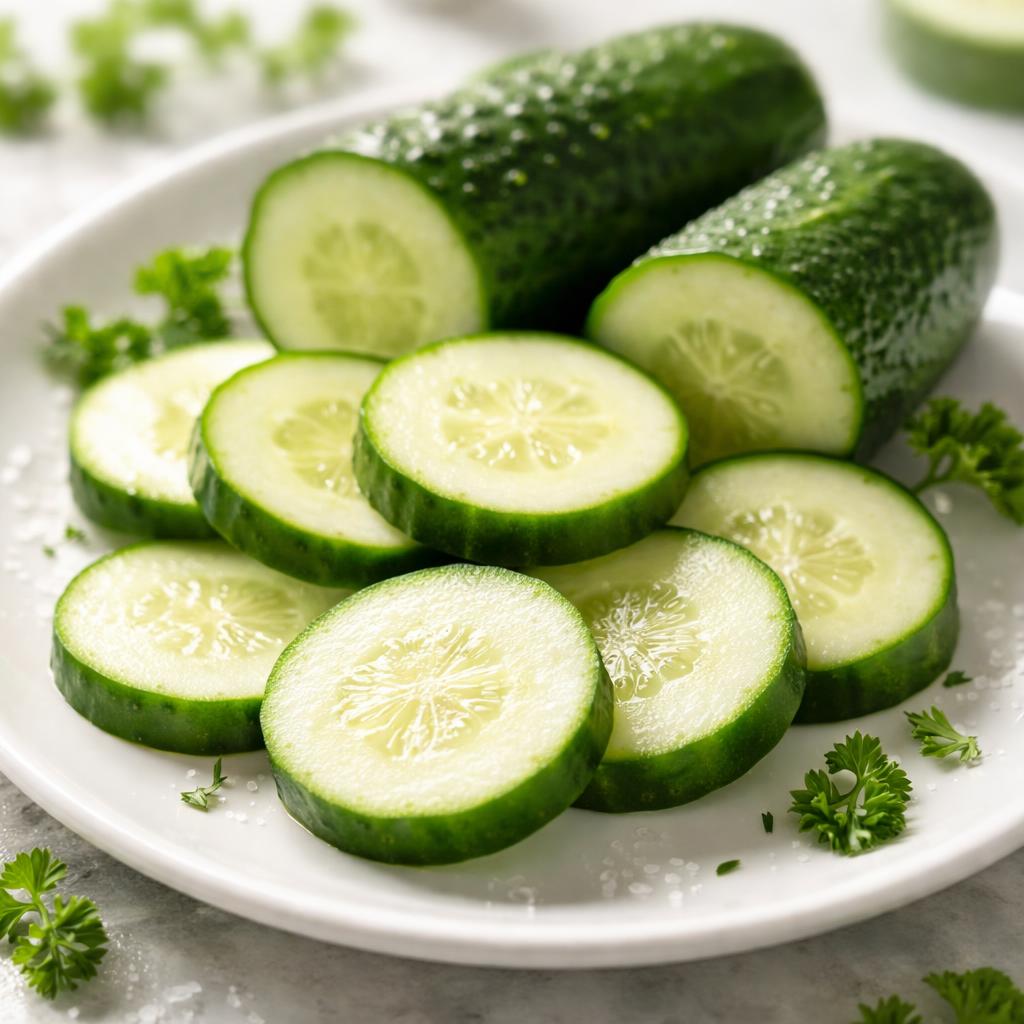
Cucumber
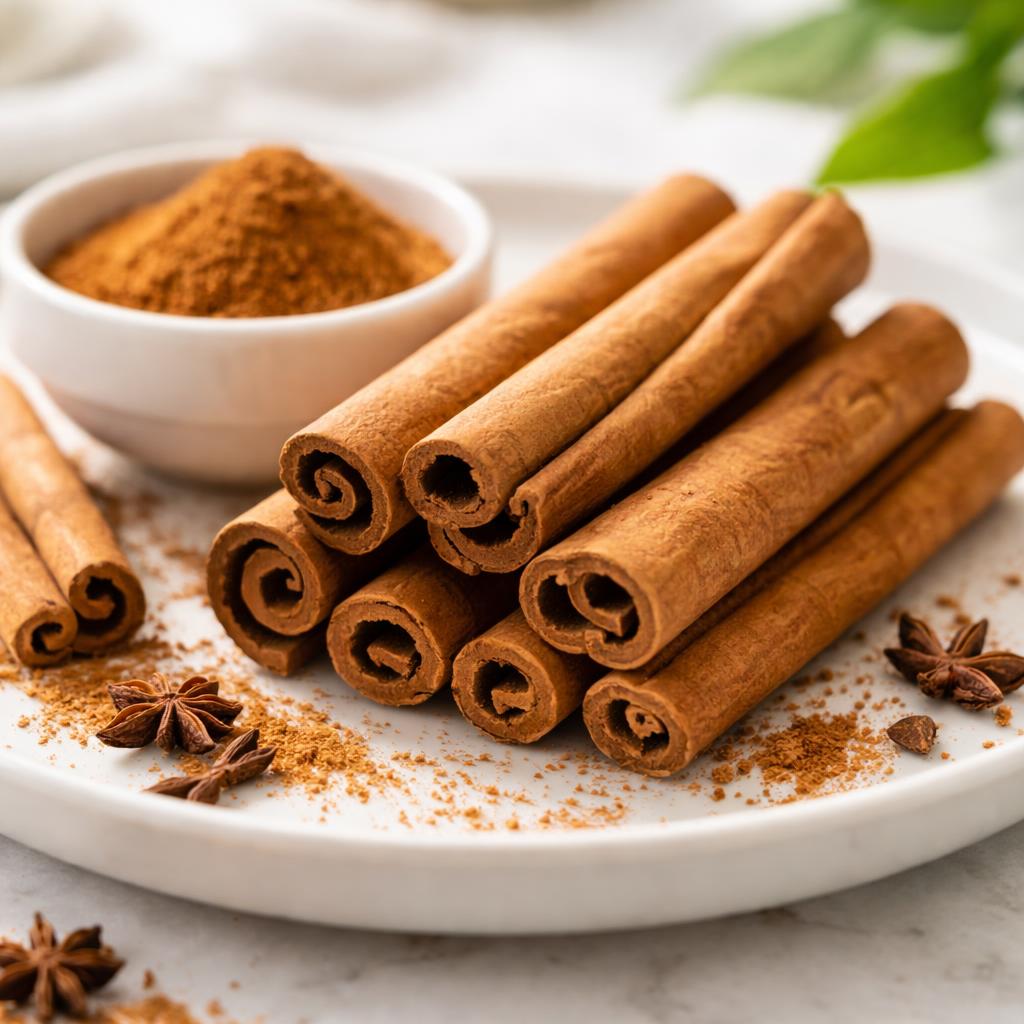
Cinnamon
🎯 Quick Verdict
Cucumber is a low-calorie, hydrating vegetable packed with essential vitamins and minerals, ideal for weight management and hydration. Cinnamon is a spice well-known for its antioxidant properties and high fiber. While cucumber is better for low-calorie diets, cinnamon provides unique health benefits when used in moderation as a seasoning or superfood enhancer.

Smart Nutrition Tracking with SnapCalorie

📊 Nutritional Comparison
Macronutrients
| Nutrient | Food 1 | Food 2 | Winner |
|---|---|---|---|
| Calories | 15 | 20 (per teaspoon) | ✓ |
| Protein | 0.7g | 0.2g | ✓ |
| Carbs | 3.6g | 6g | ✓ |
| Fat | 0.1g | 0.1g | − |
| Fiber | 0.5g | 1.2g | ✓ |
Vitamins & Minerals
| Nutrient | Food 1 | Food 2 | Winner |
|---|---|---|---|
| Vitamin C | 2.8mg | 1.3mg | ✓ |
| Vitamin K | 16.4mcg | 3mcg | ✓ |
| Magnesium | 13mg | 8mg | ✓ |
| Potassium | 193mg | 33mg | ✓ |
| Calcium | 16mg | 28mg | ✓ |
🏆 Category Winners
Protein
Both contain very low protein, with minimal differences.
Fiber
Cinnamon offers 2.4 times more fiber per serving than cucumber.
Calories
Cucumber has fewer calories, making it great for weight loss.
Vitamins
Cucumber contains significantly more vitamins (K, C, and potassium) compared to cinnamon.
🥗 Diet Compatibility
Keto
Food 1: Compatible
Food 2: Compatible
Both are low in carbs and compatible with keto diets.
Vegan
Food 1: Compatible
Food 2: Compatible
Both are plant-based and vegan-friendly.
Gluten Free
Food 1: Compatible
Food 2: Compatible
Neither contains gluten.
Paleo
Food 1: Compatible
Food 2: Compatible
Both align with paleo principles.
Low Carb
Food 1: Compatible
Food 2: Compatible
Cucumber is especially low-carb; cinnamon also fits due to its minimal carbohydrate content per serving.
💪 Health Benefits Comparison
Food 1 Benefits
- Hydrates the body due to high water content
- Supports digestive health with a small amount of fiber
- Rich in potassium for heart and muscle function
Food 2 Benefits
- Contains powerful antioxidants to reduce inflammation
- Improves blood sugar regulation due to potential anti-diabetic properties
- Provides dietary fiber to support digestion
✅ The Bottom Line
Choose cucumber as a hydrating, low-calorie vegetable perfect for snacks, salads, and weight loss-focused diets. Use cinnamon as a flavorful spice or superfood addition to improve digestion, boost antioxidants, and aid in blood sugar control. Each complements different dietary goals.
Choose Food 1 for: Hydration, weight management, nutrient addition to meals
Choose Food 2 for: Digestive health, antioxidant support, seasoning or superfood enhancement


