Cucumber VS Chutney
A detailed nutritional comparison
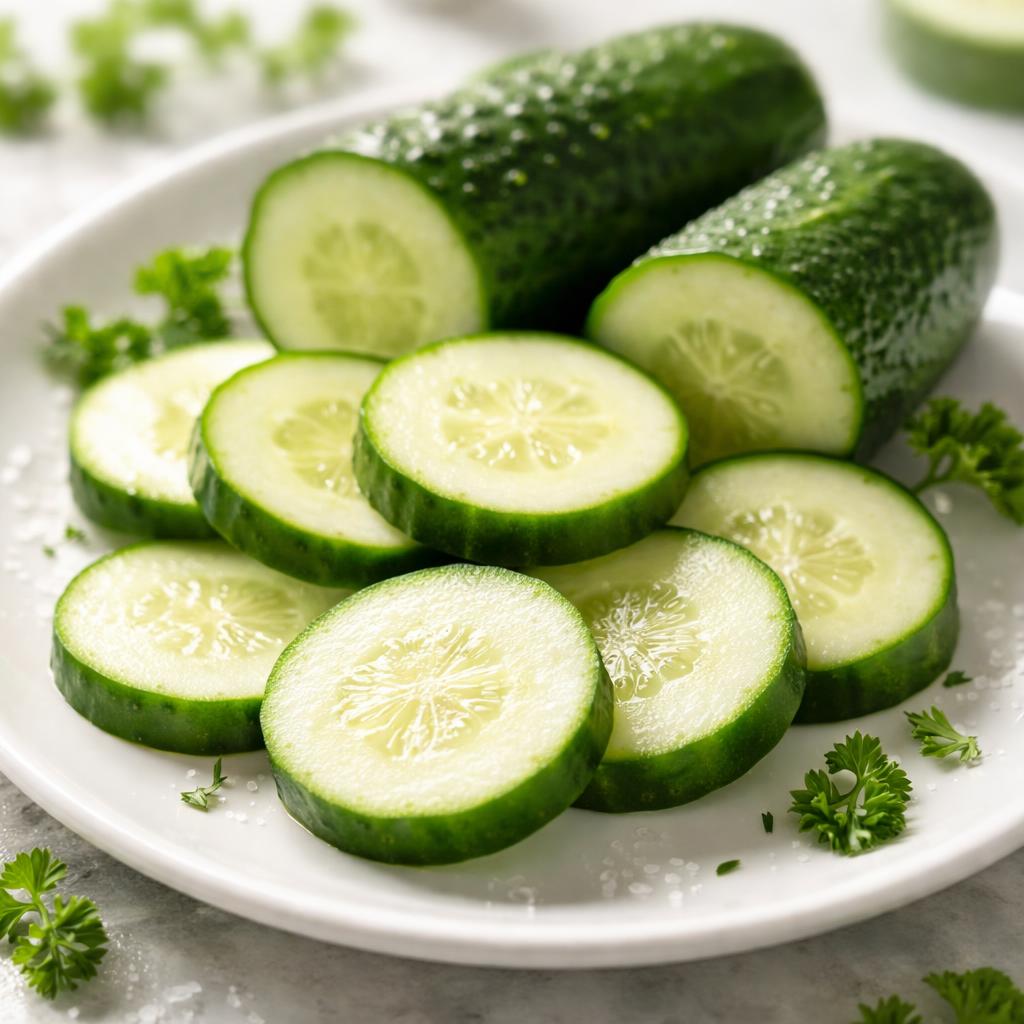
Cucumber
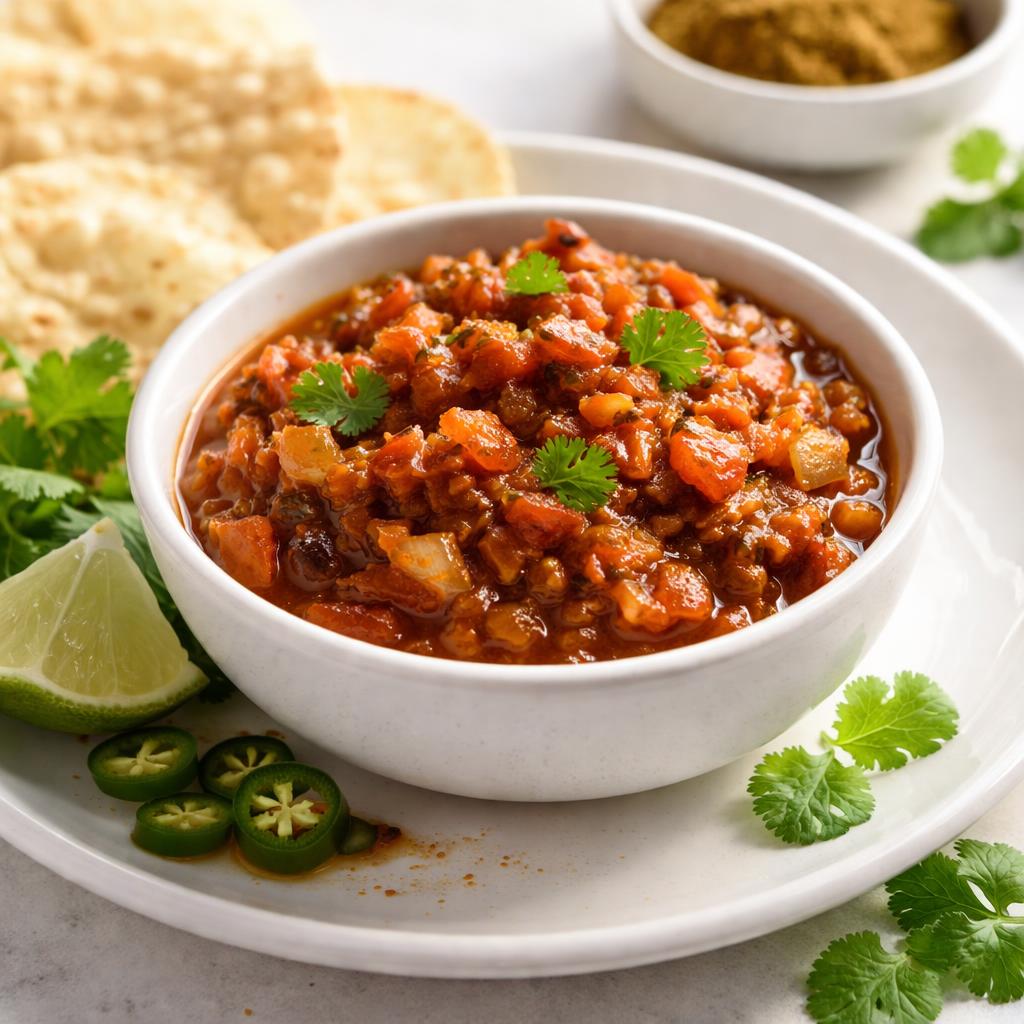
Chutney
🎯 Quick Verdict
Cucumber and chutney serve very different purposes in a diet. Cucumber is low-calorie, hydrating, and rich in vitamins, making it ideal for weight management and refreshment. Chutney, on the other hand, is calorie-dense due to its sugar and fat content, offering more fiber and flavor complexity but should be consumed in moderation as a condiment rather than a main food source.

Smart Nutrition Tracking with SnapCalorie

📊 Nutritional Comparison
Macronutrients
| Nutrient | Food 1 | Food 2 | Winner |
|---|---|---|---|
| Calories | 15 per 100g | 250 per 100g | ✓ |
| Protein | 0.7g per 100g | 0.6g per 100g | − |
| Carbs | 3.6g per 100g | 40g per 100g | ✓ |
| Fat | 0.1g per 100g | 9g per 100g | ✓ |
| Fiber | 0.5g per 100g | 3.0g per 100g | ✓ |
Vitamins & Minerals
| Nutrient | Food 1 | Food 2 | Winner |
|---|---|---|---|
| Vitamin C | 3mg per 100g | 5mg per 100g | ✓ |
| Vitamin A | 8 IU per 100g | 50 IU per 100g | ✓ |
| Potassium | 150mg per 100g | 80mg per 100g | ✓ |
🏆 Category Winners
Protein
Both cucumber and chutney provide minimal protein (less than 1g per serving).
Fiber
Chutney has over 5 times more fiber than cucumber, primarily due to its fruit or vegetable base.
Calories
Cucumber is significantly lower in calories, ideal for calorie-conscious diets.
🥗 Diet Compatibility
Keto
Food 1: Compatible
Food 2: Not Compatible
Cucumber is low-carb, while chutney usually contains high sugar content.
Vegan
Food 1: Compatible
Food 2: Compatible
Both foods are suitable for vegan diets.
Gluten Free
Food 1: Compatible
Food 2: Depends on ingredients
Cucumber is naturally gluten-free, but chutney may contain gluten-based additives.
Paleo
Food 1: Compatible
Food 2: Depends
Cucumber fits paleo standards; chutney may be paleo-friendly if it is free from processed sugars and additives.
Low-Carb
Food 1: Compatible
Food 2: Not Compatible
Cucumber is low in carbs (3.6g per 100g), chutney is high-carb (40g per 100g).
💪 Health Benefits Comparison
Food 1 Benefits
- Low-calorie and hydrating for weight management
- Contains antioxidants for cellular health
- Provides potassium for electrolyte balance
- Good source of vitamin K for bone health
Food 2 Benefits
- Rich in flavor, enhancing overall meal satisfaction
- Provides fiber for digestive health
- Contains some antioxidants from spices or herbs
- Can offer small amounts of vitamins depending on ingredients (e.g., Vitamin C in fruit-based chutneys)
✅ The Bottom Line
Choose cucumber for weight-conscious, hydrating, and refreshing meals, especially in salads or as a snack. Chutney is best suited as a flavorful accompaniment to meals but should be consumed sparingly due to its higher calorie, sugar, and fat content.
Choose Food 1 for: Hydration, weight loss, salad additions, low-carb diets
Choose Food 2 for: Enhancing flavor, pairing with meals, fiber benefits, nutrient density from ingredients


