Cucumber VS Chopped Salad
A detailed nutritional comparison
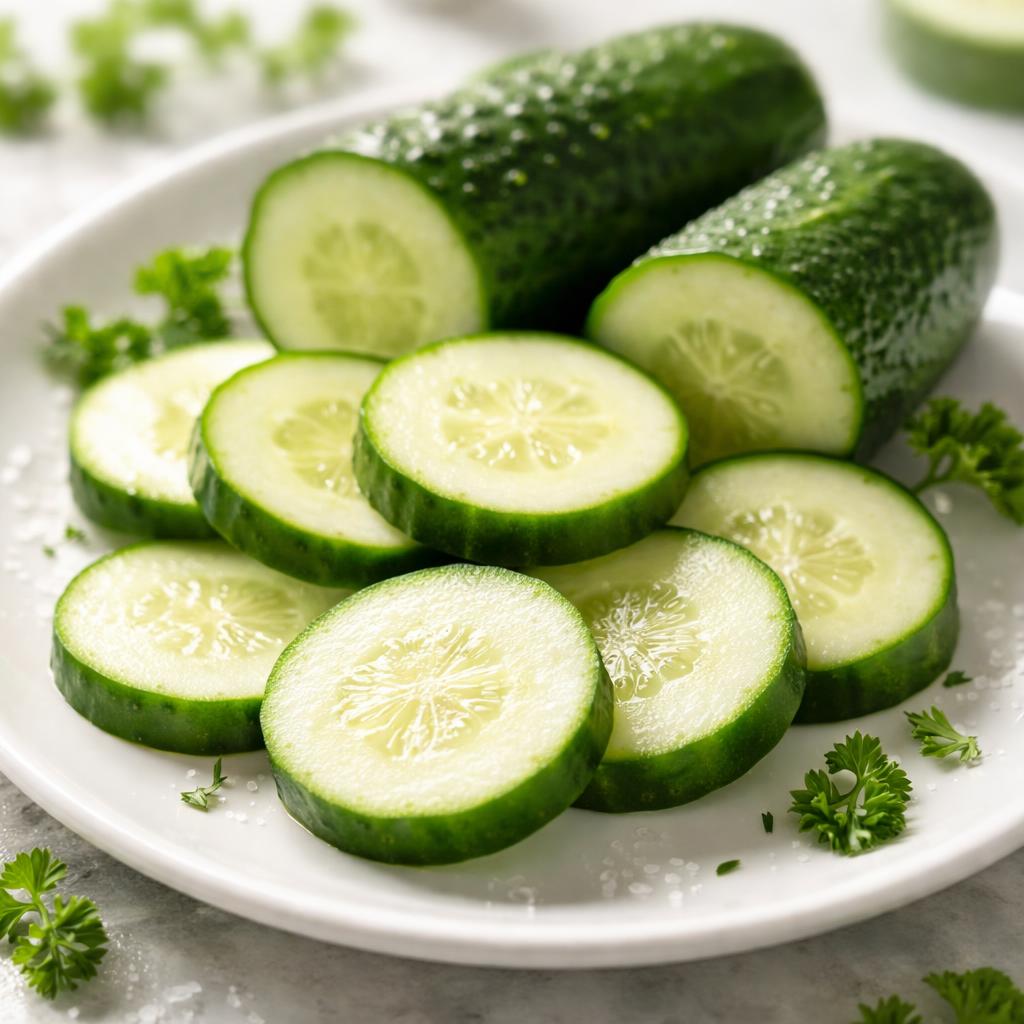
Cucumber
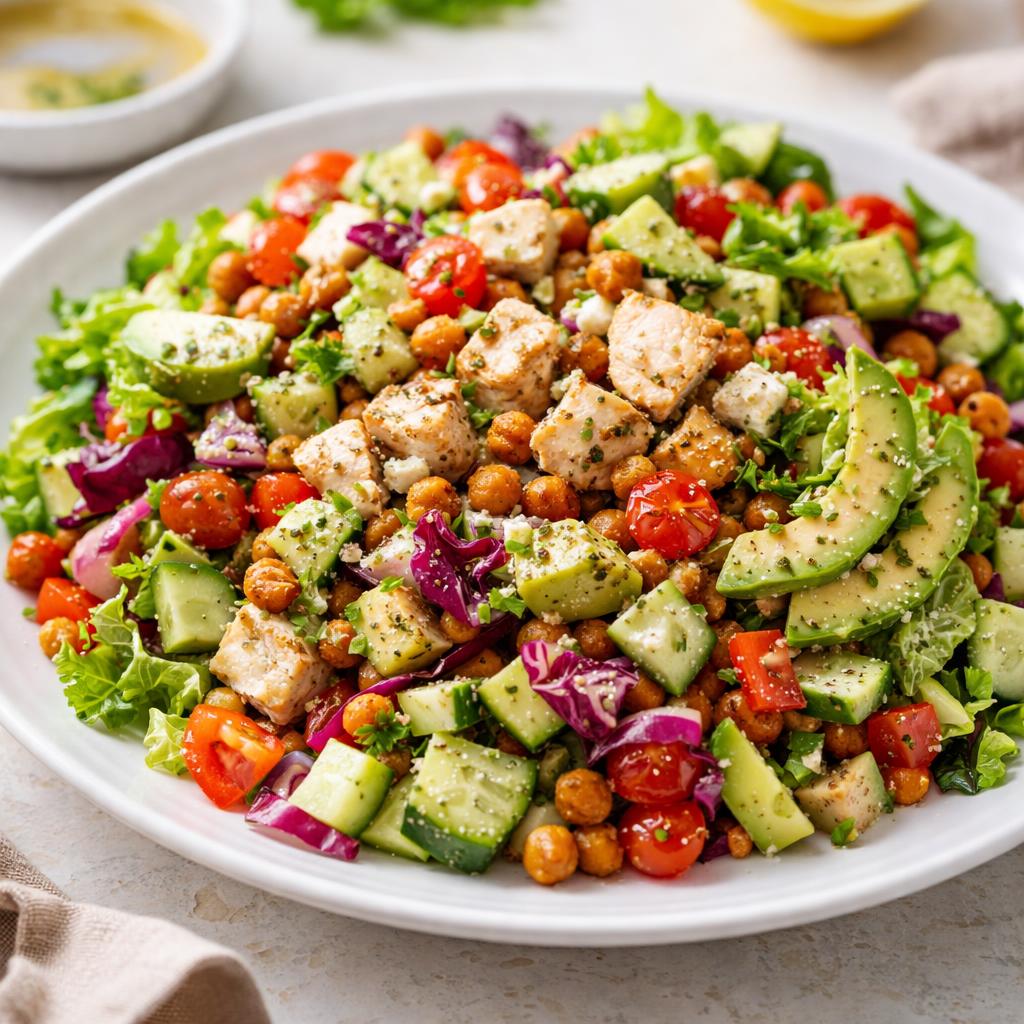
Chopped Salad
🎯 Quick Verdict
Cucumber is a low-calorie, hydrating snack, while chopped salad, which often contains a mix of vegetables, offers better nutritional density with more protein, fiber, and vitamins. Choose cucumber as a light, refreshing option or the chopped salad for a balanced, nutrient-rich meal component.

Smart Nutrition Tracking with SnapCalorie

📊 Nutritional Comparison
Macronutrients
| Nutrient | Food 1 | Food 2 | Winner |
|---|---|---|---|
| Calories | 16 | 120 | ✓ |
| Protein | 0.7g | 5g | − |
| Carbs | 3.6g | 10g | ✓ |
| Fat | 0.1g | 7g | − |
| Fiber | 0.5g | 4g | − |
Vitamins & Minerals
| Nutrient | Food 1 | Food 2 | Winner |
|---|---|---|---|
| Vitamin C | 3mg | 20mg | − |
| Vitamin K | 16mcg | 80mcg | − |
| Potassium | 147mg | 400mg | − |
| Calcium | 16mg | 50mg | − |
🏆 Category Winners
Protein
Chopped salad has over 6 times more protein than cucumber.
Fiber
Chopped salad provides 8 times the fiber per serving.
Calories
Cucumber has only 16 calories compared to 120 in chopped salad.
Vitamins
Chopped salad has significantly higher levels of Vitamin C, Vitamin K, and potassium.
🥗 Diet Compatibility
Keto
Food 1: Compatible
Food 2: Compatible
Both are low in carbs, though cucumber is significantly lower.
Vegan
Food 1: Compatible
Food 2: Compatible
Both foods are plant-based.
Gluten Free
Food 1: Compatible
Food 2: Compatible
Neither food contains gluten.
Paleo
Food 1: Compatible
Food 2: Compatible
Both are suitable and align with paleo guidelines.
Low Carb
Food 1: Compatible
Food 2: Compatible
Cucumber is the better choice for ultra-low-carb diets.
💪 Health Benefits Comparison
Food 1 Benefits
- Very low in calories, making it great for weight loss
- Highly hydrating with over 95% water content
- Contains antioxidants like cucurbitacins and flavonoids
Food 2 Benefits
- Rich in fiber, supporting digestion
- Higher in protein, aiding in muscle repair and satiety
- Packed with vitamins like Vitamin C and K for immunity and bone health
- Contains healthy fats (if dressing is included) for heart health
✅ The Bottom Line
Cucumber is ideal for very low-calorie snacking and hydration, while chopped salad provides a well-rounded option for a nutrient-dense addition to meals. Opt for cucumber if you're focusing on hydration or calorie restriction, and choose chopped salad for meal prep or nutrient variety.
Choose Food 1 for: Hydration, weight loss, light snacking
Choose Food 2 for: Meal prep, nutrient-dense meals, satiety


