Cucumber VS Cheese Slice
A detailed nutritional comparison
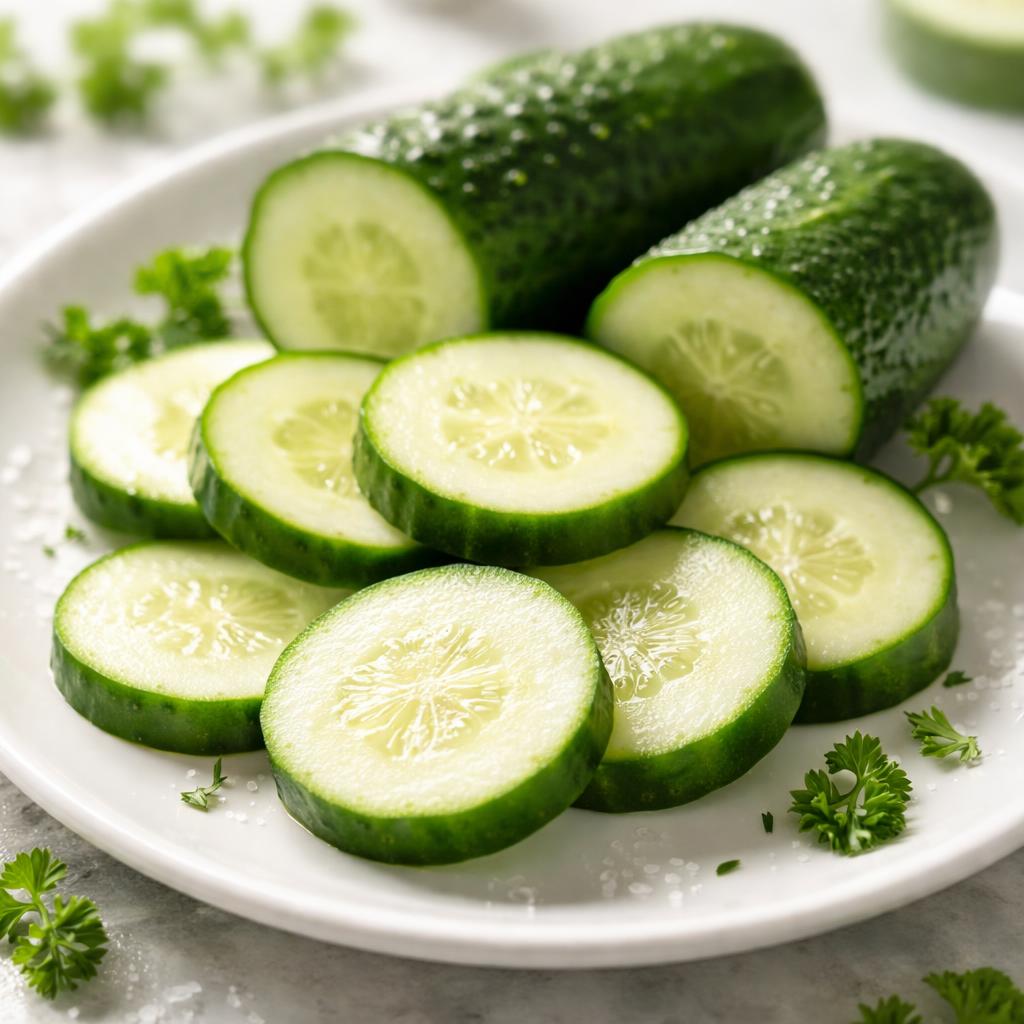
Cucumber
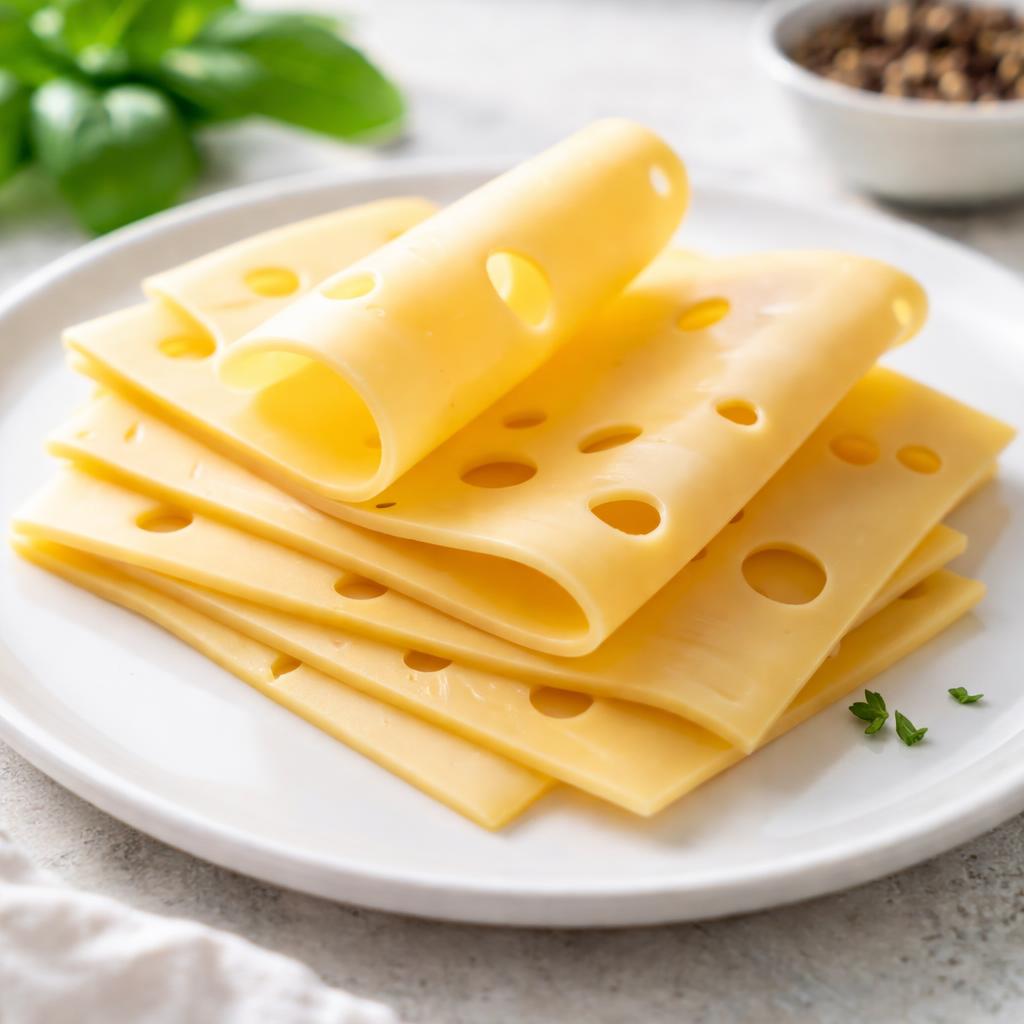
Cheese Slice
🎯 Quick Verdict
Cucumber and cheese slices serve very different dietary roles. Cucumber is low-calorie and high in fiber, making it ideal for weight management and hydration. Cheese slices are protein-rich, calorie-dense, and provide significant calcium, suitable for muscle repair and bone health. Your choice depends on your nutritional priorities.

Smart Nutrition Tracking with SnapCalorie

📊 Nutritional Comparison
Macronutrients
| Nutrient | Food 1 | Food 2 | Winner |
|---|---|---|---|
| Calories | 15 | 70 | ✓ |
| Protein | 0.7g | 5g | ✓ |
| Carbs | 3.6g | 0.7g | ✓ |
| Fat | 0.1g | 6g | ✓ |
| Fiber | 0.5g | 0g | ✓ |
Vitamins & Minerals
| Nutrient | Food 1 | Food 2 | Winner |
|---|---|---|---|
| Vitamin C | 3.2mg | 0mg | ✓ |
| Calcium | 16mg | 200mg | ✓ |
| Iron | 0.3mg | 0mg | ✓ |
🏆 Category Winners
Protein
Cheese slice provides 7x more protein per serving than cucumber.
Fiber
Cucumber delivers fiber, whereas cheese contains none.
Calories
Cucumber has 5x fewer calories than cheese slices.
Vitamins
Cucumber excels in vitamin C and iron, while cheese is richer in calcium.
🥗 Diet Compatibility
Keto
Food 1: Compatible
Food 2: Compatible
Both foods are low in carbohydrates.
Vegan
Food 1: Compatible
Food 2: Not Compatible
Cheese contains dairy, making it unsuitable for vegan diets.
Gluten Free
Food 1: Compatible
Food 2: Compatible
Neither food contains gluten.
Paleo
Food 1: Compatible
Food 2: Not Compatible
Cucumber is primal-friendly, while processed cheese is not.
Low Carb
Food 1: Compatible
Food 2: Compatible
Both foods meet low-carb criteria, though cheese has higher fat content.
💪 Health Benefits Comparison
Food 1 Benefits
- Low in calories, great for weight management
- Provides hydration as it's 95% water
- Rich in vitamin C for immune system support
- Contains antioxidants which may reduce inflammation
Food 2 Benefits
- High protein content supports muscle repair
- Significant source of calcium for bone health
- Energy-dense, ideal for high-calorie diets
- Contains healthy fats that contribute to satiety and nutrient absorption
✅ The Bottom Line
Choose cucumber for weight loss, hydration, and light snacking. Opt for cheese slices to boost protein intake, calorie density, and calcium for bone health. Both can complement a balanced diet depending on your specific goals.
Choose Food 1 for: Weight management, hydration, light snacking
Choose Food 2 for: Muscle repair, energy boost, calcium intake


