Cucumber VS Aubergine
A detailed nutritional comparison
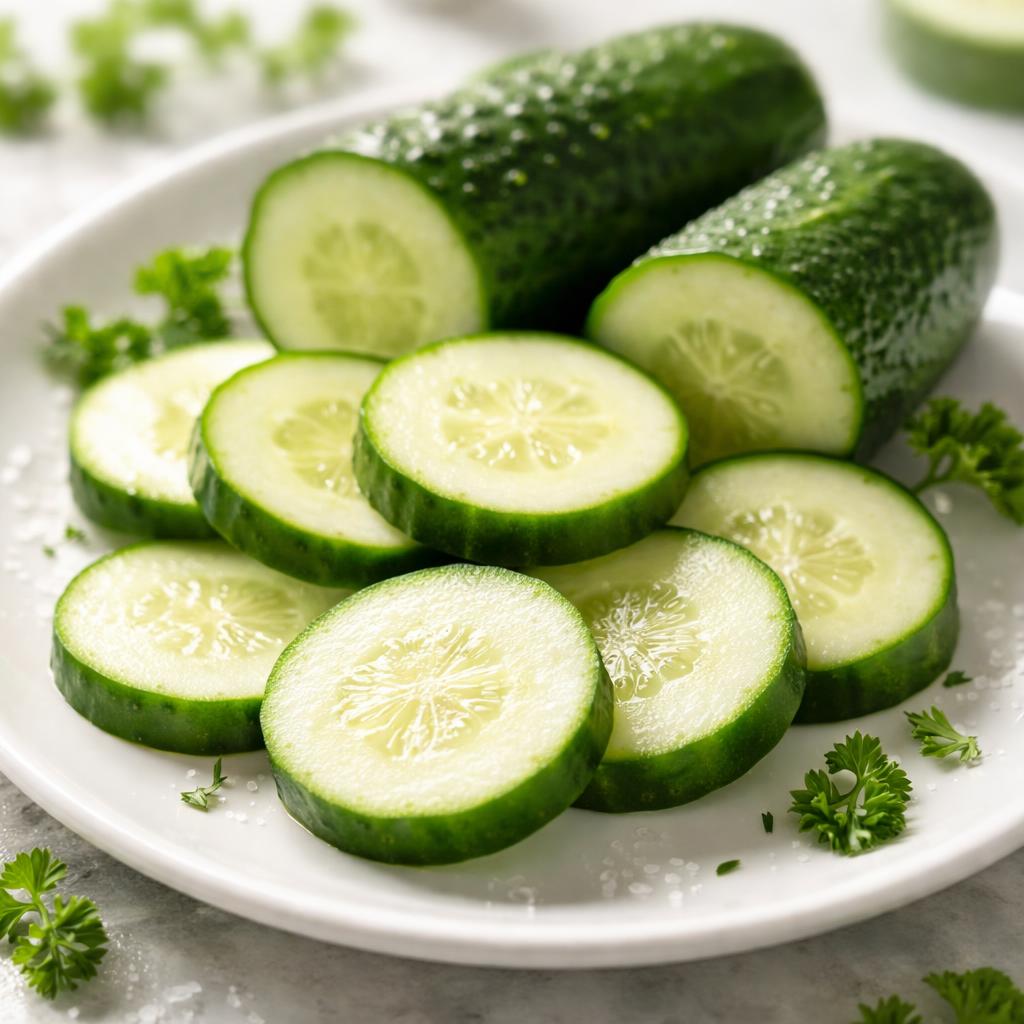
Cucumber
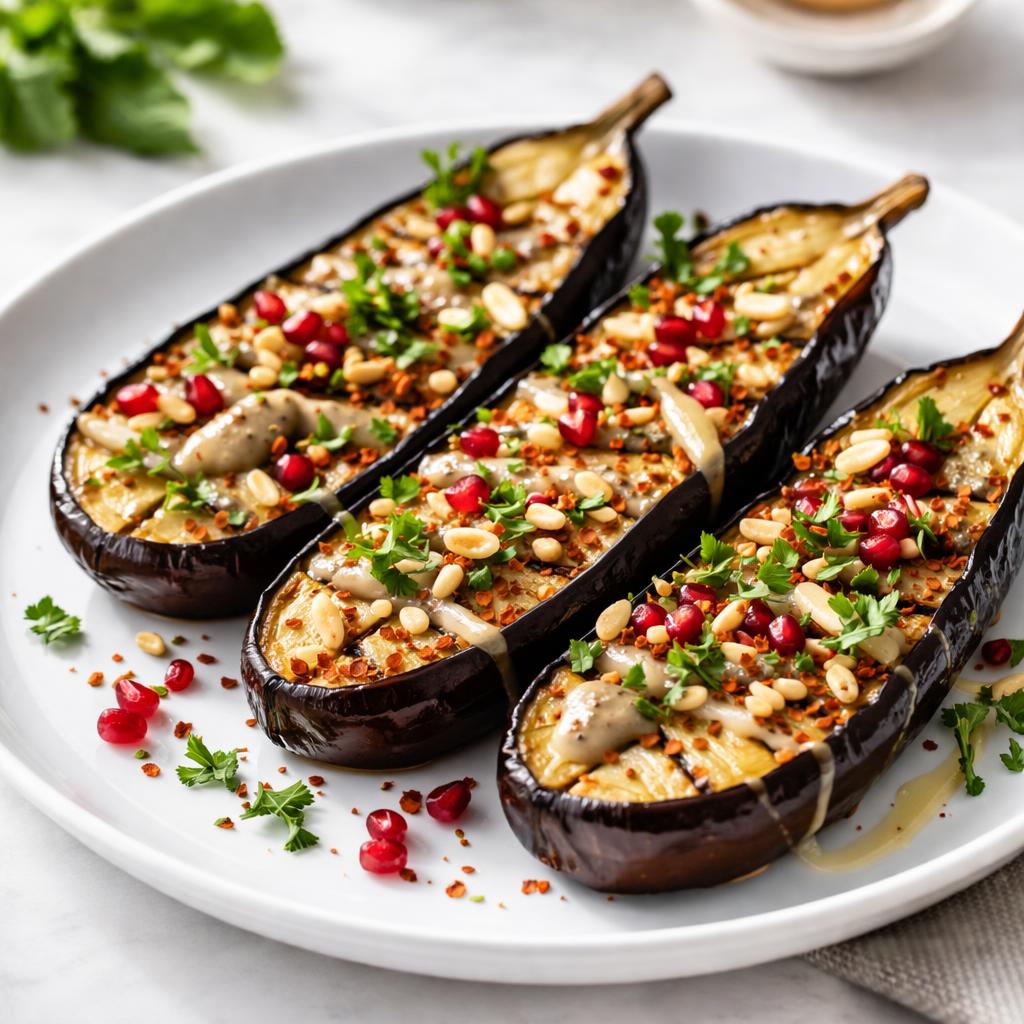
Aubergine
🎯 Quick Verdict
While both cucumber and aubergine (eggplant) are low-calorie, nutrient-rich vegetables, aubergine is the overall winner due to its higher fiber and antioxidant content. Cucumber shines with hydration properties and fewer calories, making it ideal for weight loss. Aubergine works well for nutrient density and heart health.

Smart Nutrition Tracking with SnapCalorie

📊 Nutritional Comparison
Macronutrients
| Nutrient | Food 1 | Food 2 | Winner |
|---|---|---|---|
| Calories | 15 per 100g | 25 per 100g | ✓ |
| Protein | 0.6g per 100g | 0.6g per 100g | − |
| Carbs | 3.63g per 100g | 5.7g per 100g | ✓ |
| Fat | 0.1g per 100g | 0.2g per 100g | ✓ |
| Fiber | 0.5g per 100g | 3g per 100g | ✓ |
Vitamins & Minerals
| Nutrient | Food 1 | Food 2 | Winner |
|---|---|---|---|
| Vitamin C | 2.8mg per 100g | 2.2mg per 100g | ✓ |
| Vitamin K | 16.4mcg per 100g | 3.5mcg per 100g | ✓ |
| Potassium | 147mg per 100g | 229mg per 100g | ✓ |
🏆 Category Winners
Protein
Both cucumber and aubergine contain equal protein amounts (0.6g per 100g).
Fiber
Aubergine has six times more fiber than cucumber.
Calories
Cucumber has 40% fewer calories than aubergine per serving.
Vitamins
Cucumber wins in vitamin C and K content, enhancing immunity and bone health.
🥗 Diet Compatibility
Keto
Food 1: Compatible
Food 2: Compatible
Both foods are low-carb and keto-friendly.
Vegan
Food 1: Compatible
Food 2: Compatible
Both are plant-based vegetables.
Gluten Free
Food 1: Compatible
Food 2: Compatible
Both do not contain gluten.
Paleo
Food 1: Compatible
Food 2: Compatible
Naturally compatible with paleo diets.
Low-Carb
Food 1: Compatible
Food 2: Compatible
Both have relatively low carbs, especially cucumber.
💪 Health Benefits Comparison
Food 1 Benefits
- Excellent hydration due to high water content (~95% water)
- Supports bone health with vitamin K
- Contains antioxidants for healthy skin
Food 2 Benefits
- Rich in fiber, promoting healthy digestion
- Contains antioxidants like nasunin, which protect cells from damage
- Good source of potassium for heart health
✅ The Bottom Line
Choose cucumber for hydration, low-calorie snacking, and vitamin K benefits, perfect for weight loss diets. Opt for aubergine if you need higher fiber, potassium, and antioxidant support to promote overall health and digestion.
Choose Food 1 for: Weight loss, hydration, low-calorie diets
Choose Food 2 for: Digestive health, nutrient density, heart health


