Couscous VS Fried Noodles
A detailed nutritional comparison
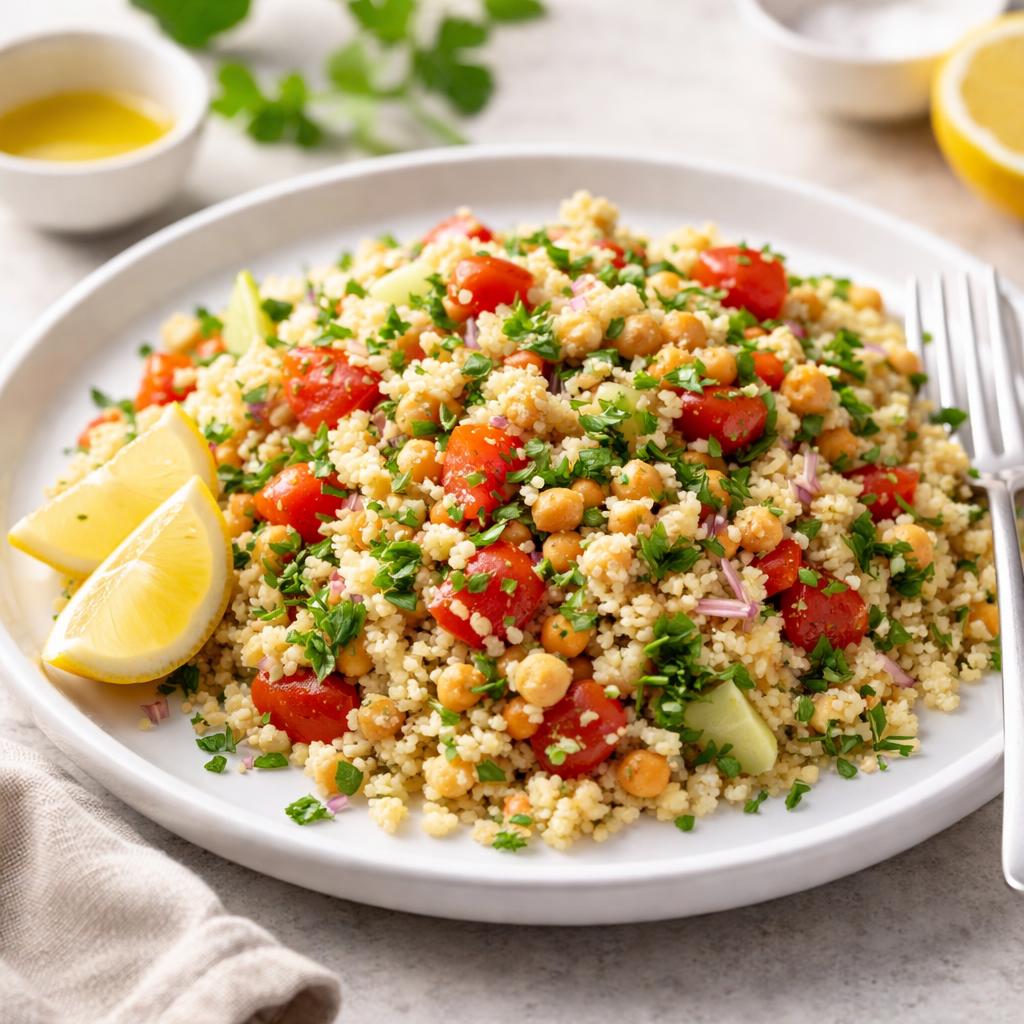
Couscous
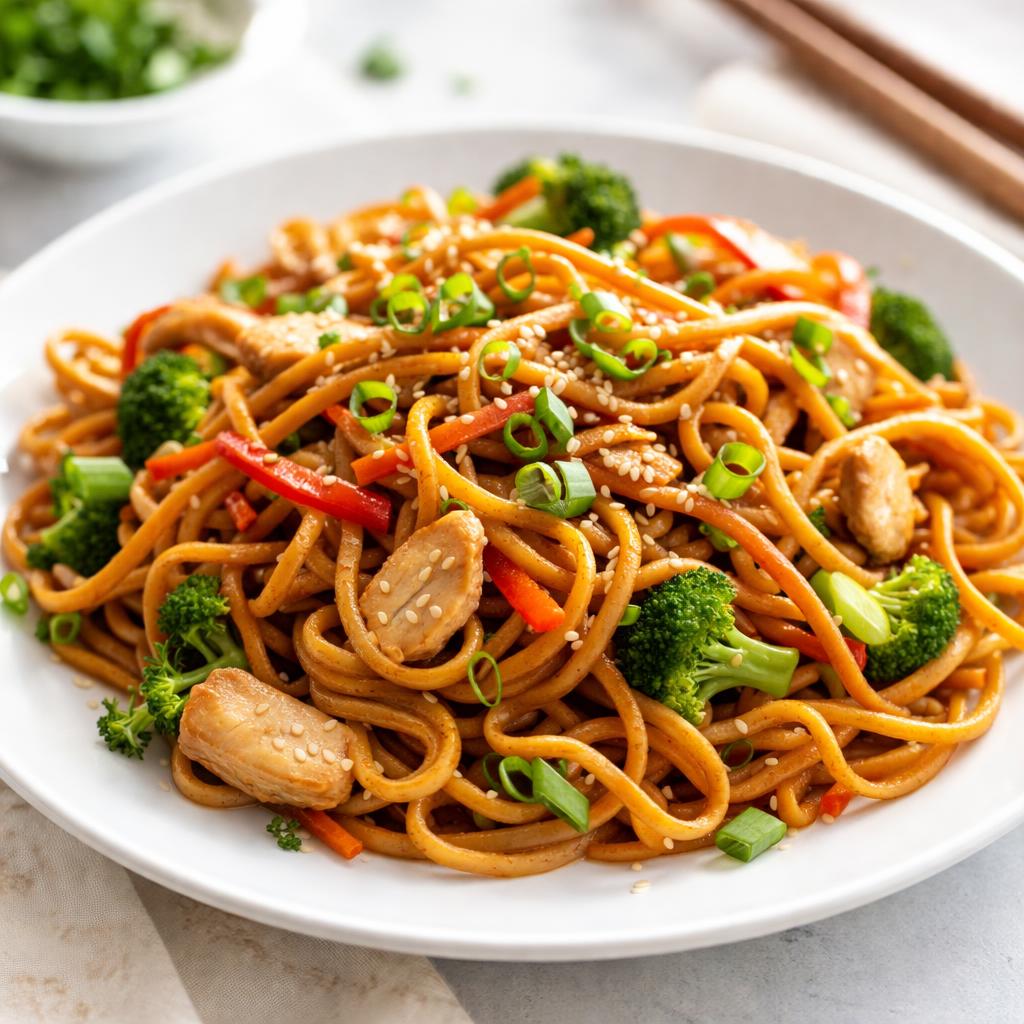
Fried Noodles
🎯 Quick Verdict
Couscous is lower in calories and fat, while offering slightly higher amounts of protein and fiber compared to fried noodles. Fried noodles are higher in carbohydrates and fat due to the frying process, but they provide energy for sustained activity. Couscous is a better choice for weight management and lighter meals, while fried noodles are ideal for indulging and promoting energy intake.

Smart Nutrition Tracking with SnapCalorie

📊 Nutritional Comparison
Macronutrients
| Nutrient | Food 1 | Food 2 | Winner |
|---|---|---|---|
| Calories | 112 per 100g | 195 per 100g | ✓ |
| Protein | 3.8g per 100g | 3.0g per 100g | ✓ |
| Carbs | 23.2g per 100g | 27g per 100g | ✓ |
| Fat | 0.2g per 100g | 10g per 100g | ✓ |
| Fiber | 1.4g per 100g | 0.9g per 100g | ✓ |
Vitamins & Minerals
| Nutrient | Food 1 | Food 2 | Winner |
|---|---|---|---|
| Vitamin D | 0mcg | 0mcg | − |
| Calcium | 8mg per 100g | 10mg per 100g | ✓ |
| Iron | 0.6mg per 100g | 1mg per 100g | ✓ |
🏆 Category Winners
Protein
Couscous contains 27% more protein compared to fried noodles.
Fiber
Couscous has 56% more fiber, supporting better digestion.
Calories
Couscous has 43% fewer calories.
Vitamins
Fried noodles have slightly higher calcium and iron content.
🥗 Diet Compatibility
Keto
Food 1: Not Compatible
Food 2: Not Compatible
Both are high-carb foods.
Vegan
Food 1: Compatible
Food 2: Compatible
Both do not contain any animal-derived ingredients.
Gluten Free
Food 1: Not Compatible
Food 2: Not Compatible
Both foods are made from wheat-based products.
Paleo
Food 1: Not Compatible
Food 2: Not Compatible
Neither food aligns with the paleo diet principles.
Low Carb
Food 1: Not Compatible
Food 2: Not Compatible
Both are primarily carbohydrate-based foods.
💪 Health Benefits Comparison
Food 1 Benefits
- Low-calorie option for weight management
- Higher fiber content supports digestion
- Low-fat content makes it heart-friendly
Food 2 Benefits
- Rich in energy-providing carbs
- Higher calcium and iron for bone and blood health
- Provides fats that may help with satiety
✅ The Bottom Line
Couscous is the better choice for a lighter, nutrient-dense meal and for those focusing on weight or fat intake management. Fried noodles are ideal for individuals needing quicker energy or seeking indulgent comfort foods. Both can fit healthful diets when consumed in moderation.
Choose Food 1 for: Weight management, digestive health, low-fat diets
Choose Food 2 for: Energy boosts, indulging cravings, increased nutrient density


