Couscous VS Chickpea Pasta
A detailed nutritional comparison
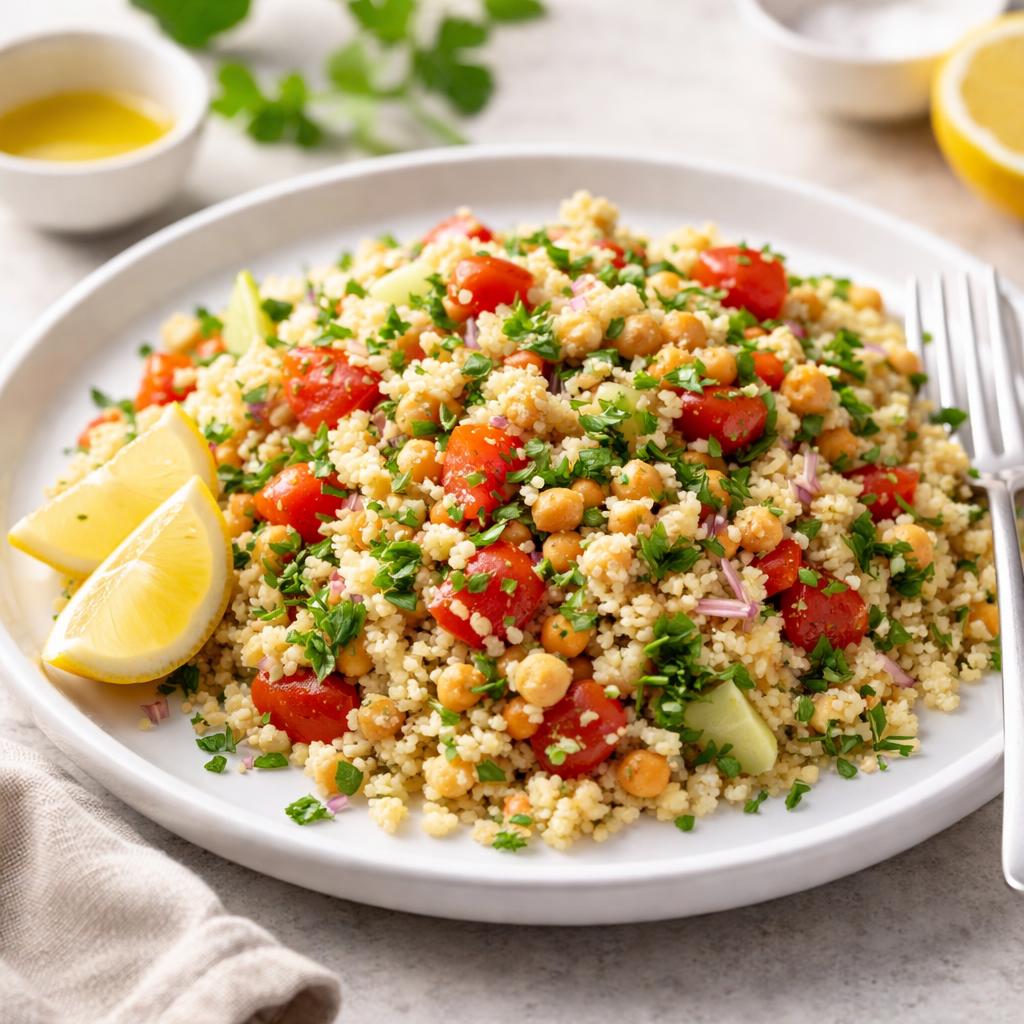
Couscous
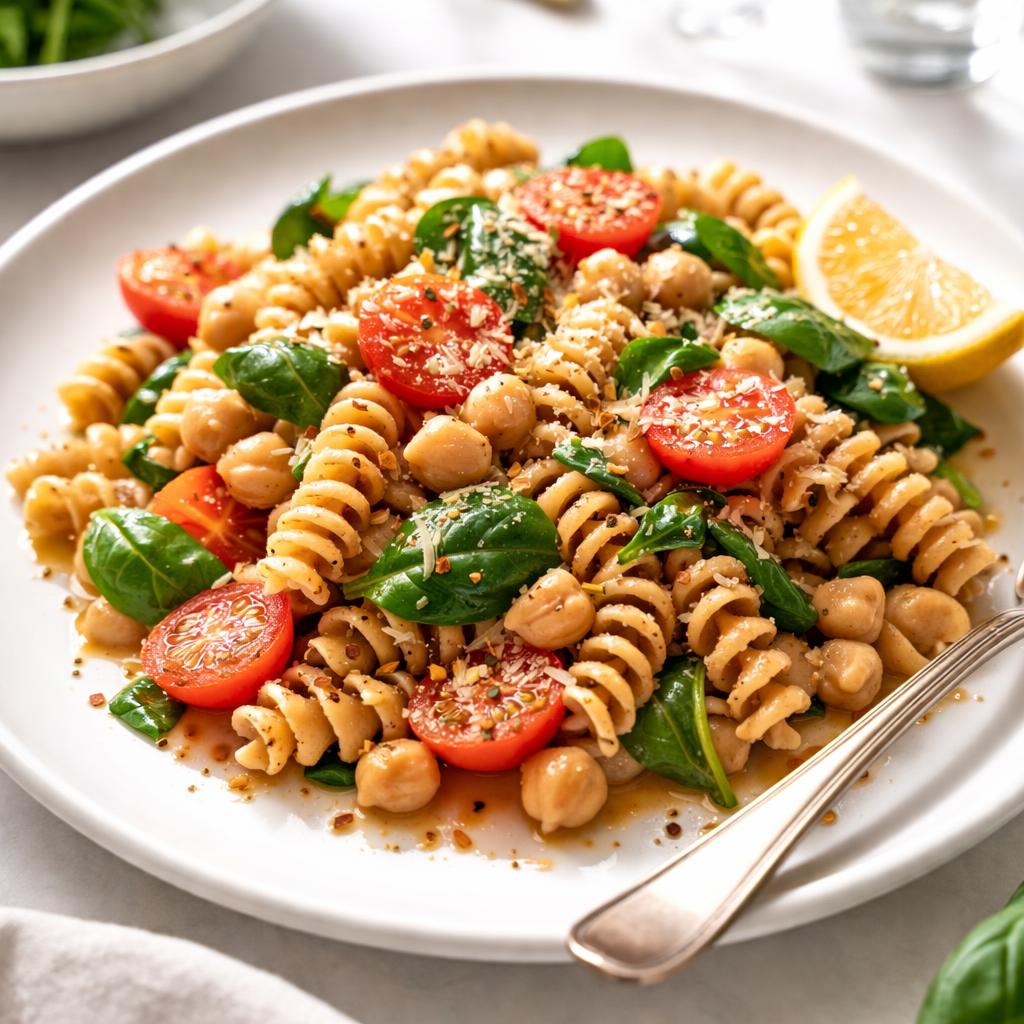
Chickpea Pasta
🎯 Quick Verdict
Chickpea pasta outperforms couscous in terms of protein and fiber content, making it a better option for those prioritizing these macronutrients. Couscous is lower in calories, but lacks the nutrient density of chickpea pasta. Choose chickpea pasta for sustained energy and muscle support, or couscous for light meals and easier digestibility in some cases.

Smart Nutrition Tracking with SnapCalorie

📊 Nutritional Comparison
Macronutrients
| Nutrient | Food 1 | Food 2 | Winner |
|---|---|---|---|
| Calories | 176 per 1 cup cooked | 190 per 1 cup cooked | ✓ |
| Protein | 6g per 1 cup cooked | 13g per 1 cup cooked | ✓ |
| Carbs | 36g per 1 cup cooked | 32g per 1 cup cooked | ✓ |
| Fat | 0.3g per 1 cup cooked | 3g per 1 cup cooked | ✓ |
| Fiber | 2g per 1 cup cooked | 8g per 1 cup cooked | ✓ |
Vitamins & Minerals
| Nutrient | Food 1 | Food 2 | Winner |
|---|---|---|---|
| Iron | 0.6mg per 1 cup cooked | 4.5mg per 1 cup cooked | ✓ |
| Calcium | 7mg per 1 cup cooked | 57mg per 1 cup cooked | ✓ |
🏆 Category Winners
Protein
Chickpea pasta has more than double the protein of couscous per serving.
Fiber
Chickpea pasta offers four times more fiber compared to couscous per serving.
Calories
Couscous has fewer calories per serving, making it lighter overall.
Vitamins
Chickpea pasta is richer in iron and calcium, crucial for bone strength and oxygen transport.
🥗 Diet Compatibility
Keto
Food 1: Not Compatible
Food 2: Not Compatible
Both foods are high in carbohydrates.
Vegan
Food 1: Compatible
Food 2: Compatible
Both are plant-based options suitable for vegan diets.
Gluten Free
Food 1: Not Compatible
Food 2: Compatible
Chickpea pasta is gluten-free while couscous typically contains gluten.
Paleo
Food 1: Not Compatible
Food 2: Not Compatible
Both are made from grains or legumes, which are not paleo-friendly.
Low-Carb
Food 1: Not Compatible
Food 2: Not Compatible
Both foods are high in carbohydrates and are not suitable for low-carb diets.
💪 Health Benefits Comparison
Food 1 Benefits
- Quick and easy to prepare for light meals
- Low in calories, suitable for weight-conscious diets
- Provides moderate carbohydrates for energy
Food 2 Benefits
- High in protein for muscle synthesis and repair
- Rich in fiber for improved digestive health
- Contains iron and calcium for bone strength and oxygen delivery
- Provides sustained energy due to its lower glycemic index compared to traditional pasta
✅ The Bottom Line
Chickpea pasta is more nutrient-dense than couscous, providing higher protein, fiber, and minerals, making it far superior for active individuals or those seeking balanced nutrition. Choose couscous for a lower-calorie meal or quick energy, while chickpea pasta is better for sustained fullness and improved muscle recovery.
Choose Food 1 for: Light meals, quick side dishes, weight-conscious diets
Choose Food 2 for: High-protein diets, digestive health, muscle building and recovery


