Couscous VS Brown Rice And Quinoa
A detailed nutritional comparison
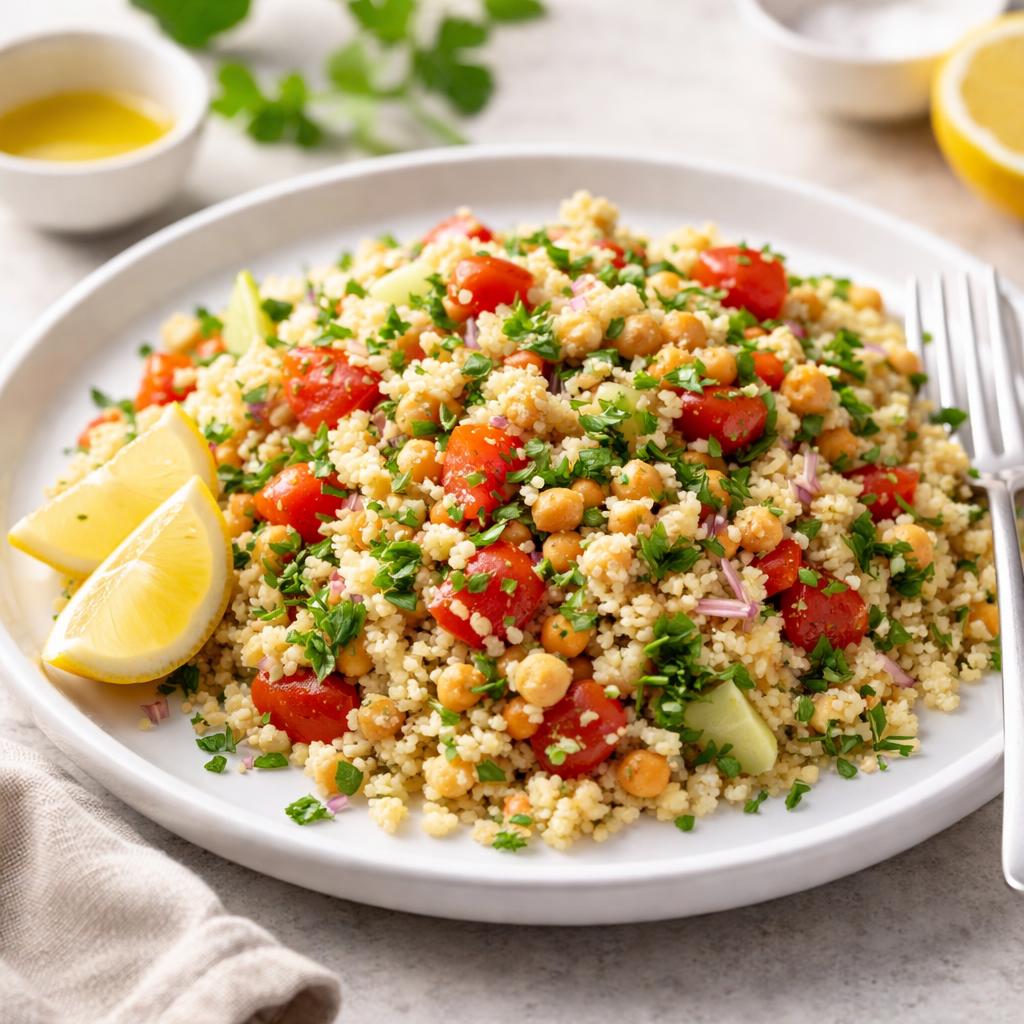
Couscous
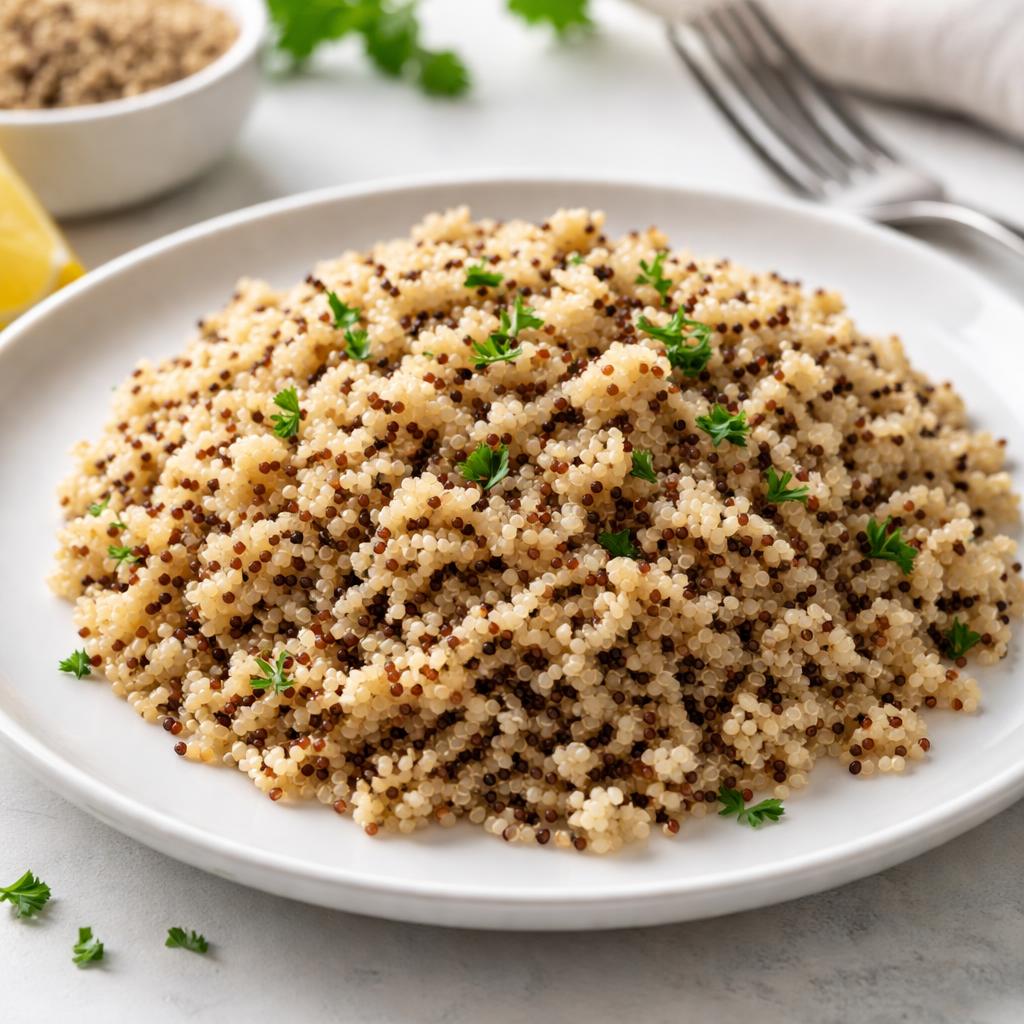
Brown Rice And Quinoa
🎯 Quick Verdict
Brown rice and quinoa are nutritionally denser than couscous, offering higher protein, fiber, and micronutrient content. Couscous, however, is faster to cook and slightly lower in calories, making it a convenient option for portion-controlled meals. Choose couscous for simplicity and brown rice with quinoa for overall nutritional benefits and balanced energy release.

Smart Nutrition Tracking with SnapCalorie

📊 Nutritional Comparison
Macronutrients
| Nutrient | Food 1 | Food 2 | Winner |
|---|---|---|---|
| Calories | 176 (per 1 cup cooked) | 180 (per 1 cup cooked) | − |
| Protein | 6g | 8g | ✓ |
| Carbs | 36g | 39g | ✓ |
| Fat | 0.3g | 2.5g | ✓ |
| Fiber | 2g | 3g | ✓ |
Vitamins & Minerals
| Nutrient | Food 1 | Food 2 | Winner |
|---|---|---|---|
| Vitamin D | 0mcg | 0mcg | − |
| Calcium | 7mg | 17mg | ✓ |
| Iron | 0.5mg | 1.5mg | ✓ |
| Magnesium | 8mg | 85mg | ✓ |
🏆 Category Winners
Protein
Brown rice and quinoa provide 33% more protein per serving.
Fiber
Brown rice and quinoa offer 50% more fiber than couscous.
Calories
Both foods have comparable calorie content per serving.
Vitamins
Higher amounts of magnesium, calcium, and iron make brown rice and quinoa nutritionally denser.
🥗 Diet Compatibility
Keto
Food 1: Not Compatible
Food 2: Not Compatible
Both are high-carb foods, unsuitable for ketogenic diets.
Vegan
Food 1: Compatible
Food 2: Compatible
Both are plant-based foods.
Gluten Free
Food 1: Not Compatible
Food 2: Compatible
Couscous contains gluten, whereas brown rice and quinoa are naturally gluten-free.
Paleo
Food 1: Not Compatible
Food 2: Compatible
Couscous is a processed grain, but quinoa and brown rice fit paleo guidelines.
Low-Carb
Food 1: Not Compatible
Food 2: Not Compatible
Neither food is low-carb, with ≥ 36g carbs per serving.
💪 Health Benefits Comparison
Food 1 Benefits
- Easy to prepare, making it ideal for quick meals
- Provides a moderate amount of protein for maintaining energy levels
- Low fat content supports calorie-controlled diets
Food 2 Benefits
- High in fiber, aiding digestion and improving gut health
- Rich in magnesium, supporting muscle function and bone health
- Contains a balanced profile of amino acids, promoting overall nutrition
✅ The Bottom Line
Couscous is a convenient, low-fat option for quick, everyday meals, especially if portion control is prioritized. Brown rice and quinoa are better for people seeking higher fiber, protein, and micronutrients for sustained energy and balanced nutrition.
Choose Food 1 for: Quick meals, calorie-controlled diets, convenient cooking
Choose Food 2 for: Balanced nutrition, sustained energy, improved digestion and heart health


