Couscous VS Breaded Fish
A detailed nutritional comparison
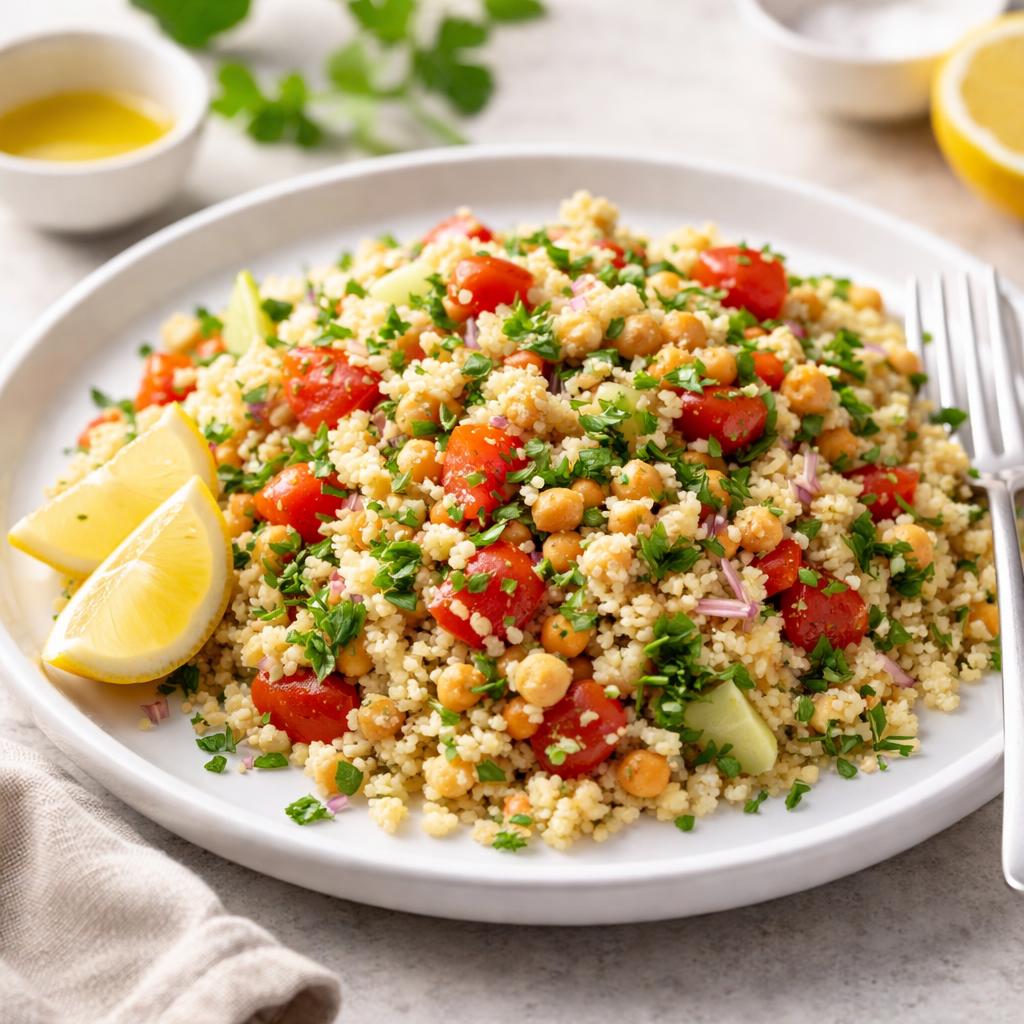
Couscous
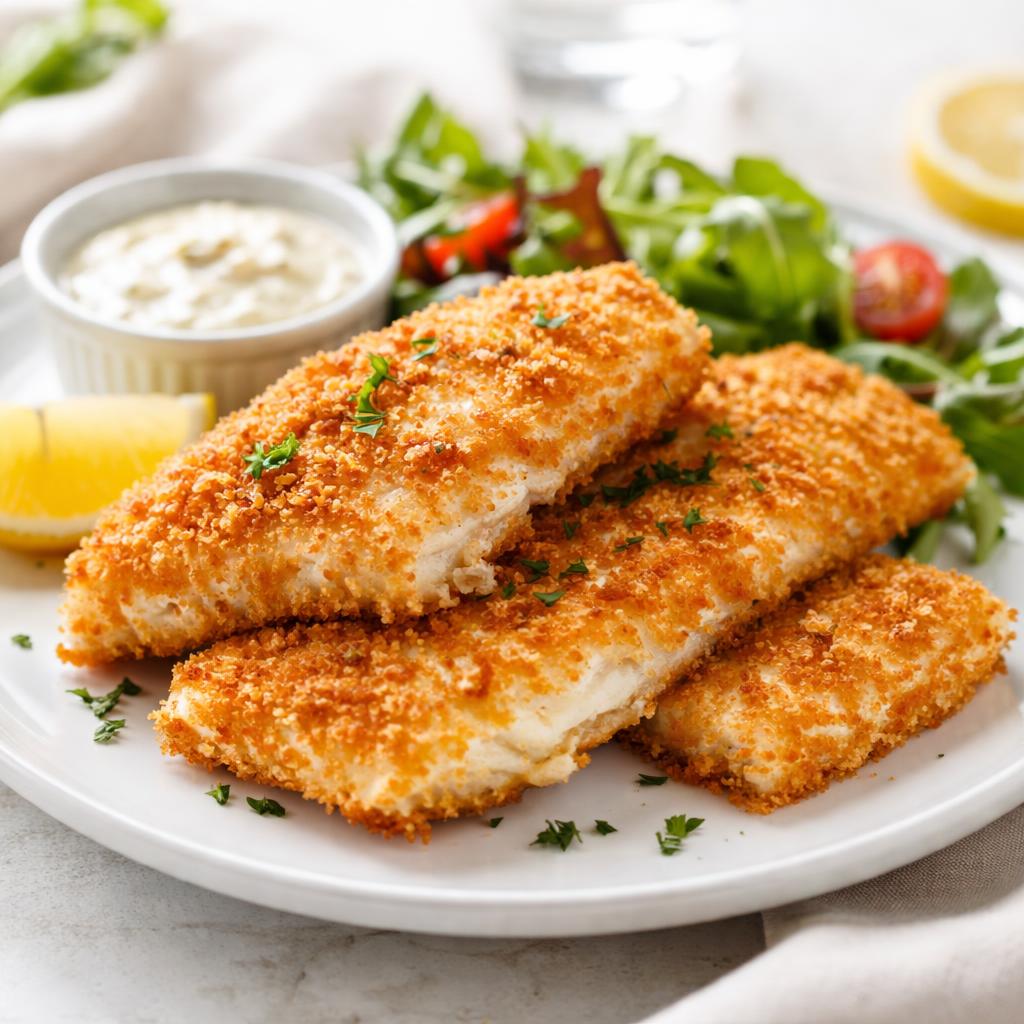
Breaded Fish
🎯 Quick Verdict
Breaded fish has higher protein content and provides healthy fats, making it great for muscle-building and heart health. Couscous is lower in calories and offers more fiber, making it ideal for digestion and weight management. Both foods provide distinct nutritional advantages depending on dietary goals.

Smart Nutrition Tracking with SnapCalorie

📊 Nutritional Comparison
Macronutrients
| Nutrient | Food 1 | Food 2 | Winner |
|---|---|---|---|
| Calories | 112 (per 100g cooked) | 232 (per 100g) | ✓ |
| Protein | 3.8g | 15g | ✓ |
| Carbs | 23g | 13.5g | ✓ |
| Fat | 0.2g | 11g | ✓ |
| Fiber | 1.4g | 0.5g | ✓ |
Vitamins & Minerals
| Nutrient | Food 1 | Food 2 | Winner |
|---|---|---|---|
| Vitamin D | 0mcg | 3.2mcg | ✓ |
| Calcium | 8mg | 15mg | ✓ |
| Iron | 0.4mg | 1mg | ✓ |
🏆 Category Winners
Protein
Breaded fish provides nearly 4x more protein per 100g than couscous.
Fiber
Couscous contains almost 3x more fiber than breaded fish, aiding digestion.
Calories
Couscous has roughly half the calories of breaded fish per 100g.
Vitamins
Breaded fish offers Vitamin D along with higher calcium and iron content.
🥗 Diet Compatibility
Keto
Food 1: Not Compatible
Food 2: Compatible
Breaded fish is lower in carbs (13.5g per serving) compared to couscous (23g).
Vegan
Food 1: Compatible
Food 2: Not Compatible
Couscous is plant-based while breaded fish is animal-based.
Gluten Free
Food 1: Not Compatible
Food 2: Usually Not Compatible
Couscous contains wheat, and breading on fish typically includes gluten unless specified as gluten-free.
Paleo
Food 1: Not Compatible
Food 2: Compatible (if unbreaded)
Couscous is processed and not paleo-friendly, while unbreaded fish can fit paleo guidelines.
Low-Carb
Food 1: Not Compatible
Food 2: Compatible
Breaded fish is lower in carbs compared to couscous, suiting low-carb diets.
💪 Health Benefits Comparison
Food 1 Benefits
- Low in calories, supporting weight management
- Rich in fiber for improved digestion
- Carbohydrate source for sustained energy
Food 2 Benefits
- High protein content aids muscle growth and repair
- Provides healthy fats benefitting heart health
- Contains Vitamin D and iron for bone health and energy production
✅ The Bottom Line
Choose couscous for low-calorie meals, vegan diets, and improved digestion. Opt for breaded fish when prioritizing protein intake, heart health, and nutrient density. Adjust serving sizes based on caloric needs and dietary goals.
Choose Food 1 for: Weight management, vegan diets, quick fiber boost
Choose Food 2 for: Muscle-building, heart health, nutrient-rich meals


