Couscous VS Basmati Rice
A detailed nutritional comparison
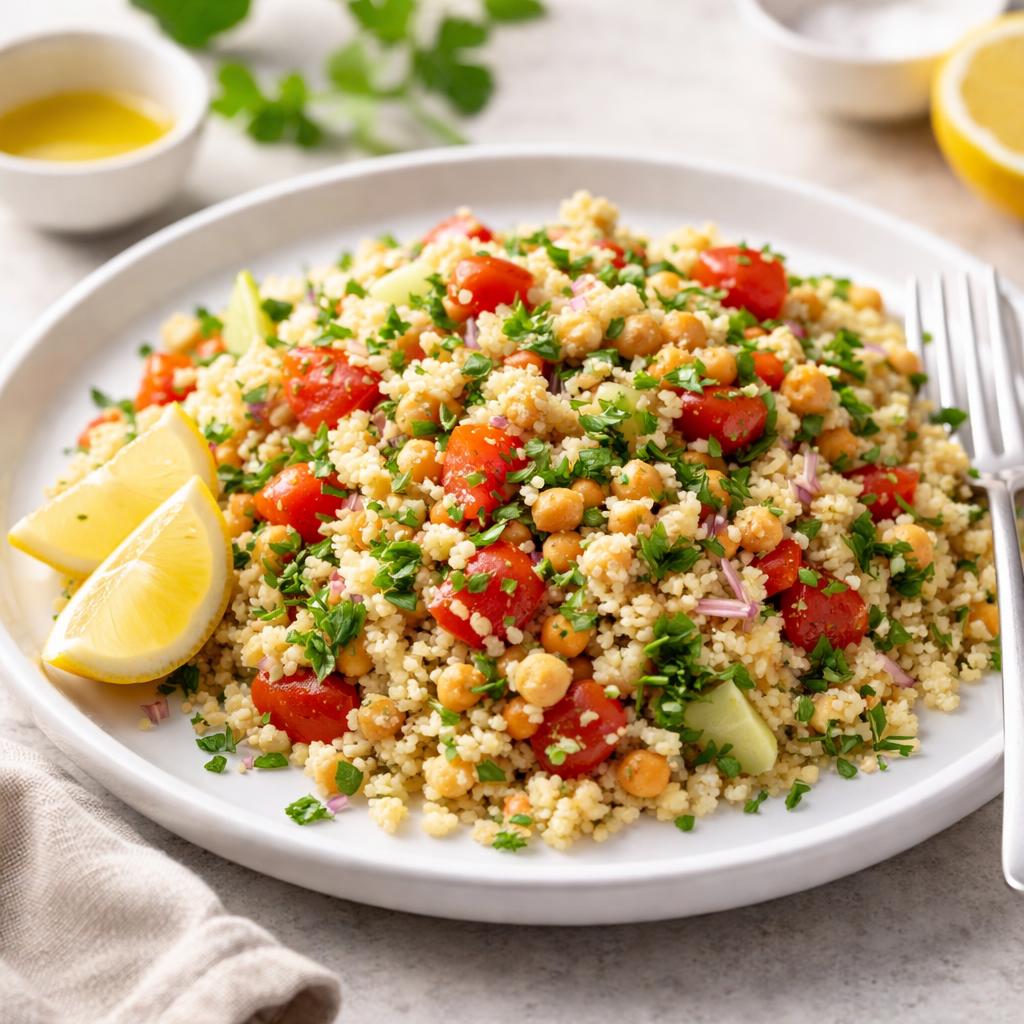
Couscous
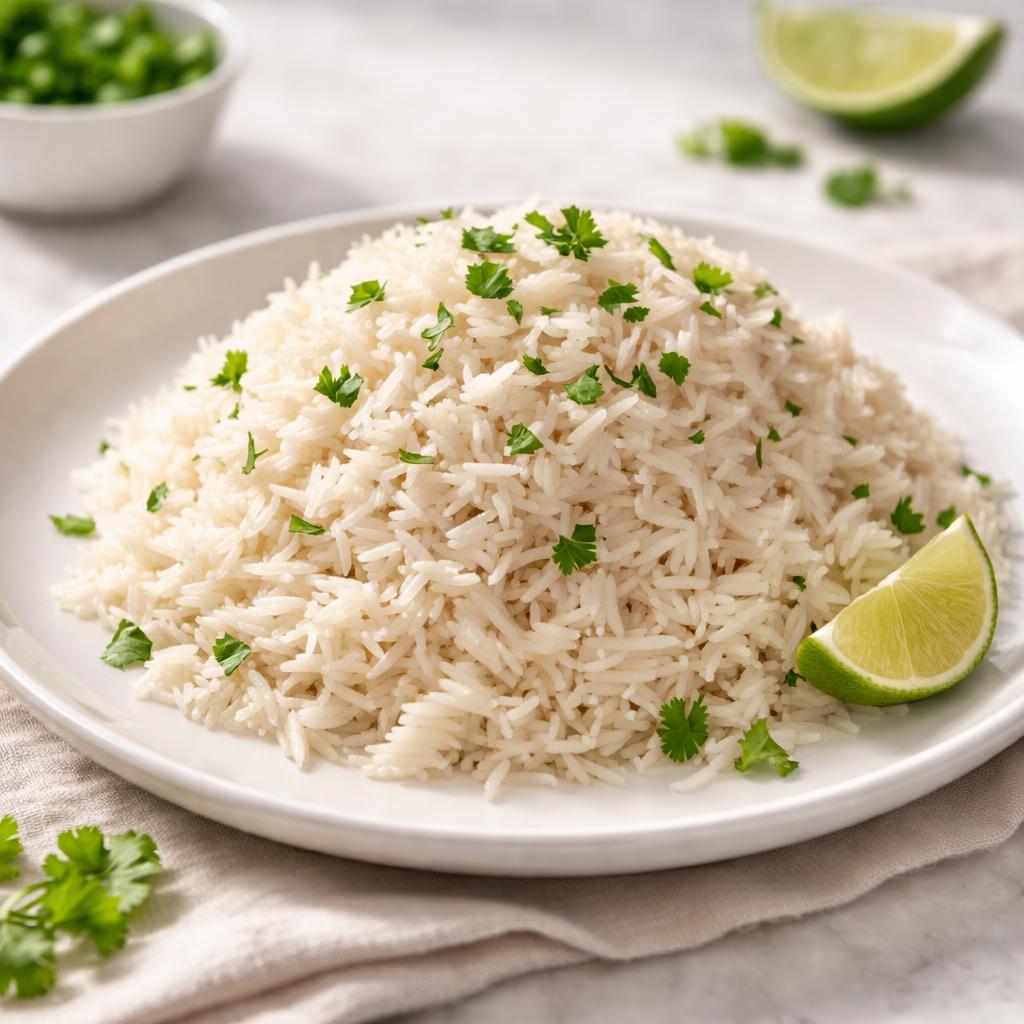
Basmati Rice
🎯 Quick Verdict
Couscous and basmati rice are both great carbohydrate sources, but couscous has the edge in protein and fiber, making it more filling and supportive for digestion. Basmati rice is less nutrient-dense but provides sustained energy, thanks to its lower glycemic index. Couscous is ideal for high-fiber and protein diets, while basmati rice suits low-fiber preferences or meals requiring slower energy release.

Smart Nutrition Tracking with SnapCalorie

📊 Nutritional Comparison
Macronutrients
| Nutrient | Food 1 | Food 2 | Winner |
|---|---|---|---|
| Calories | 176 | 180 | − |
| Protein | 6g | 3g | ✓ |
| Carbs | 36g | 39g | ✓ |
| Fat | 0.3g | 0.5g | ✓ |
| Fiber | 2g | 0.5g | ✓ |
Vitamins & Minerals
| Nutrient | Food 1 | Food 2 | Winner |
|---|---|---|---|
| Vitamin B6 | 0.11mg | 0.1mg | ✓ |
| Iron | 0.6mg | 0.2mg | ✓ |
| Magnesium | 8mg | 14mg | ✓ |
🏆 Category Winners
Protein
Couscous has double the protein compared to basmati rice.
Fiber
Couscous contains 4 times more fiber.
Calories
Both foods have nearly the same calorie counts per serving.
Vitamins
Couscous provides more vitamin B6 and iron, although basmati rice has more magnesium.
🥗 Diet Compatibility
Keto
Food 1: Not Compatible
Food 2: Not Compatible
Both are high-carb foods and not suitable for keto diets.
Vegan
Food 1: Compatible
Food 2: Compatible
Both are plant-based carbohydrate sources.
Gluten Free
Food 1: Not Compatible
Food 2: Compatible
Couscous is made from wheat and contains gluten, while basmati rice is naturally gluten-free.
Paleo
Food 1: Not Compatible
Food 2: Compatible
Basmati rice is minimally processed, while couscous is made from processed wheat and not considered paleo-friendly.
Low-Carb
Food 1: Not Compatible
Food 2: Not Compatible
Both are high in carbohydrates.
💪 Health Benefits Comparison
Food 1 Benefits
- Higher protein for muscle support
- Rich in fiber to aid digestion
- Contains iron for healthy blood production
- Provides small amounts of vitamin B6 for energy metabolism
Food 2 Benefits
- Low glycemic index for sustained energy
- Contains magnesium which supports nerve and muscle function
- Naturally gluten-free, suitable for those with gluten sensitivities
- Gentle carbohydrate source for easy digestion
✅ The Bottom Line
Couscous is the better choice for those looking to add more protein and fiber to their diets, especially for vegetarians or individuals focusing on digestion and satiety. Basmati rice, with its lower glycemic index and gluten-free properties, is a better option for individuals needing slow-release energy and avoiding gluten-containing foods.
Choose Food 1 for: High-protein diets, digestion support, vegetarian meals
Choose Food 2 for: Sustained energy, gluten-free diets, gentle carbohydrate needs


