Couscous Salad VS Whole Wheat Sandwich
A detailed nutritional comparison
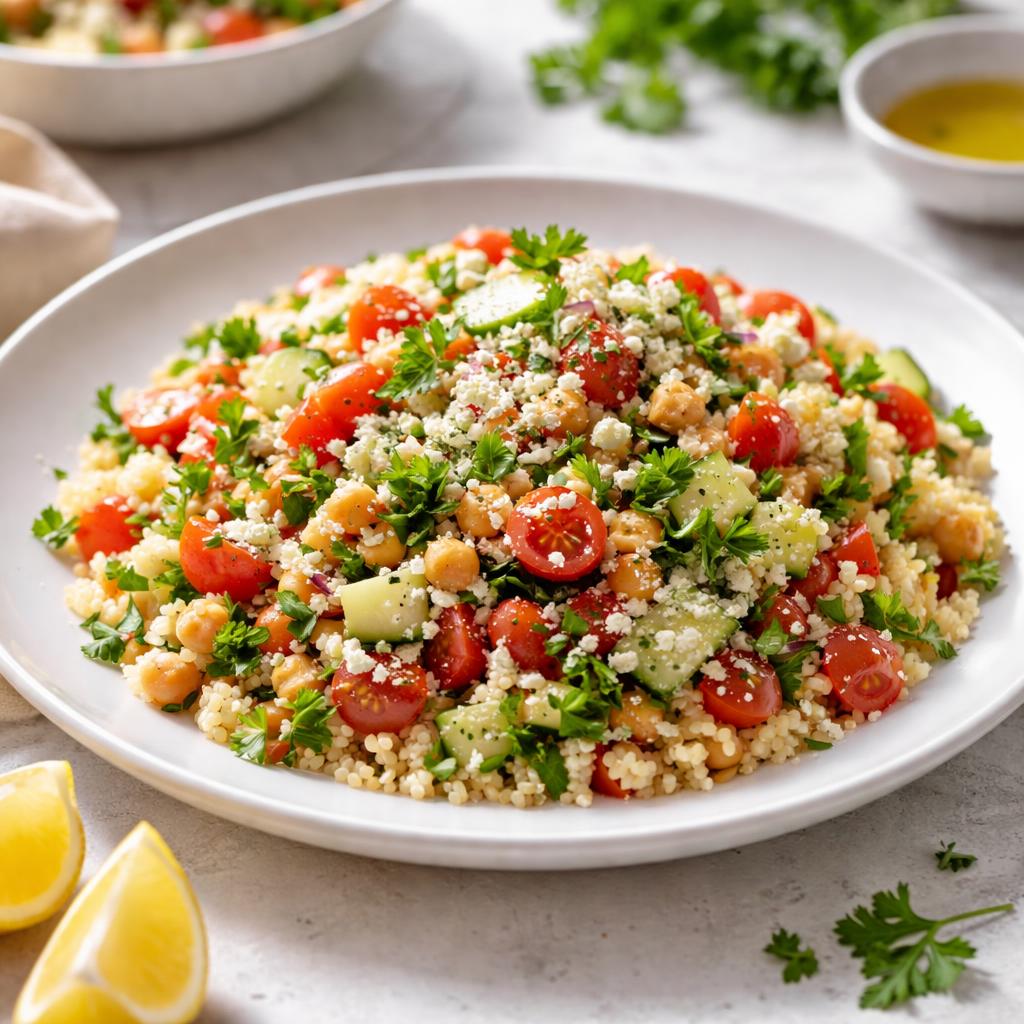
Couscous Salad
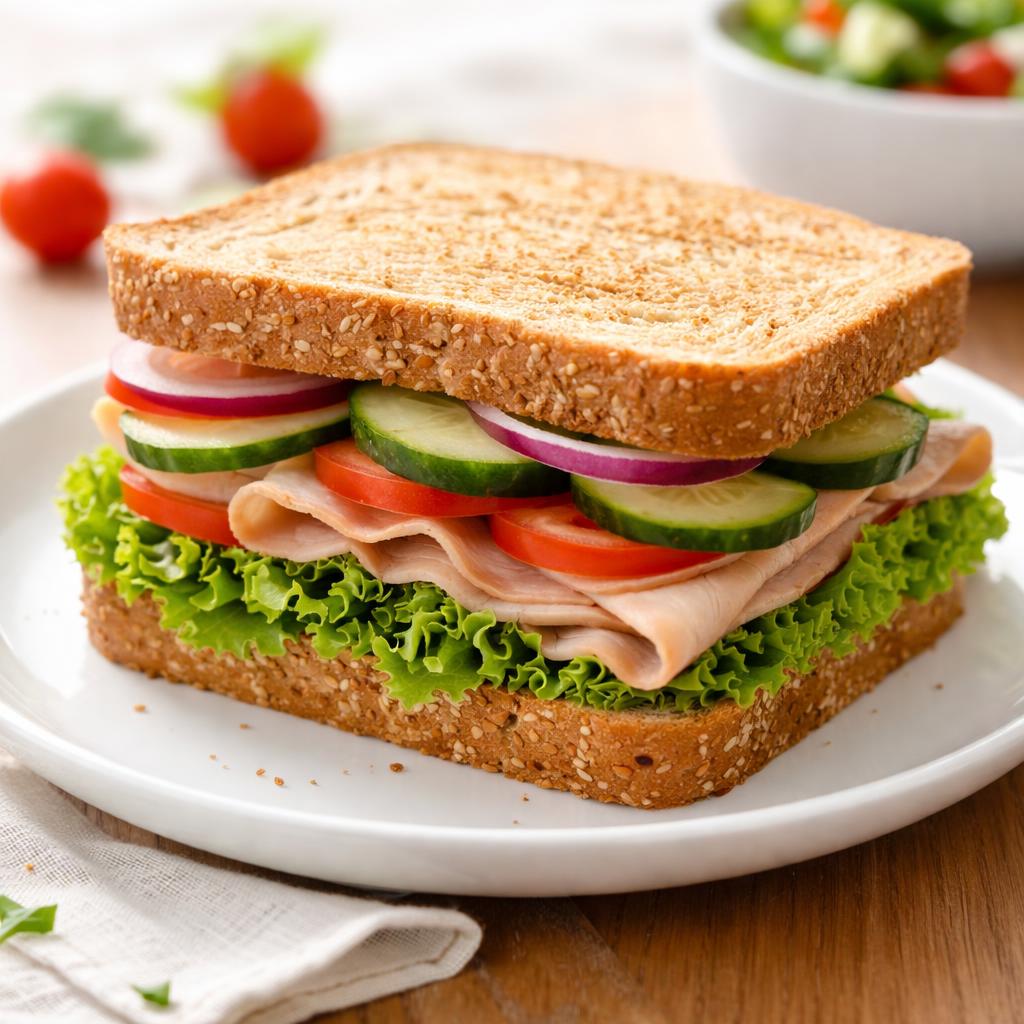
Whole Wheat Sandwich
🎯 Quick Verdict
Whole wheat sandwich and couscous salad both offer balanced nutrition but cater to different needs. The sandwich is higher in protein and fiber, making it more suitable for sustained energy, whereas the couscous salad is lower in calories, fitting well into weight loss or lighter meal plans. Each excels in complementary ways that can accommodate diverse dietary goals.

Smart Nutrition Tracking with SnapCalorie

📊 Nutritional Comparison
Macronutrients
| Nutrient | Food 1 | Food 2 | Winner |
|---|---|---|---|
| Calories | 220 | 320 | ✓ |
| Protein | 6g | 12g | ✓ |
| Carbs | 35g | 40g | ✓ |
| Fat | 6g | 10g | ✓ |
| Fiber | 3g | 5g | ✓ |
Vitamins & Minerals
| Nutrient | Food 1 | Food 2 | Winner |
|---|---|---|---|
| Vitamin D | 0mcg | 1mcg | ✓ |
| Calcium | 25mg | 200mg | ✓ |
| Iron | 2mg | 4mg | ✓ |
🏆 Category Winners
Protein
Food2 (whole wheat sandwich) contains double the protein compared to food1.
Fiber
Food2 provides 66% more fiber per serving, aiding digestion.
Calories
Food1 is lower in calories, better suited for weight management.
Vitamins
Food2 has significantly higher levels of calcium, iron, and vitamin D.
🥗 Diet Compatibility
Keto
Food 1: Not Compatible
Food 2: Not Compatible
Both foods are high in carbohydrates and not suitable for keto diets.
Vegan
Food 1: Compatible
Food 2: Not Compatible
Food1 can be vegan, whereas Food2 typically includes non-vegan ingredients like cheese or meat.
Gluten Free
Food 1: Not Compatible
Food 2: Not Compatible
Both contain gluten inherently—couscous and whole wheat bread.
Paleo
Food 1: Not Compatible
Food 2: Not Compatible
Neither fits paleo guidelines due to processed grains.
Low-Carb
Food 1: Not Compatible
Food 2: Not Compatible
Both are relatively high in carbohydrates.
💪 Health Benefits Comparison
Food 1 Benefits
- Lower in calories for weight management
- Source of plant-based iron
- Good for light meals or side dishes
Food 2 Benefits
- High in protein for muscle building and repair
- Rich in fiber for better digestion
- Good source of calcium for bone health
✅ The Bottom Line
The couscous salad is ideal for those focusing on lighter, lower-calorie meals, while the whole wheat sandwich is better for those needing more protein, fiber, and sustained energy. The sandwich also provides more vitamins and minerals, making it an excellent choice for active lifestyles or more substantial meals.
Choose Food 1 for: Weight loss, light meals, plant-based diets
Choose Food 2 for: Active lifestyles, higher protein needs, nutrient-dense meals


