Couscous Salad VS Lentil Pasta
A detailed nutritional comparison
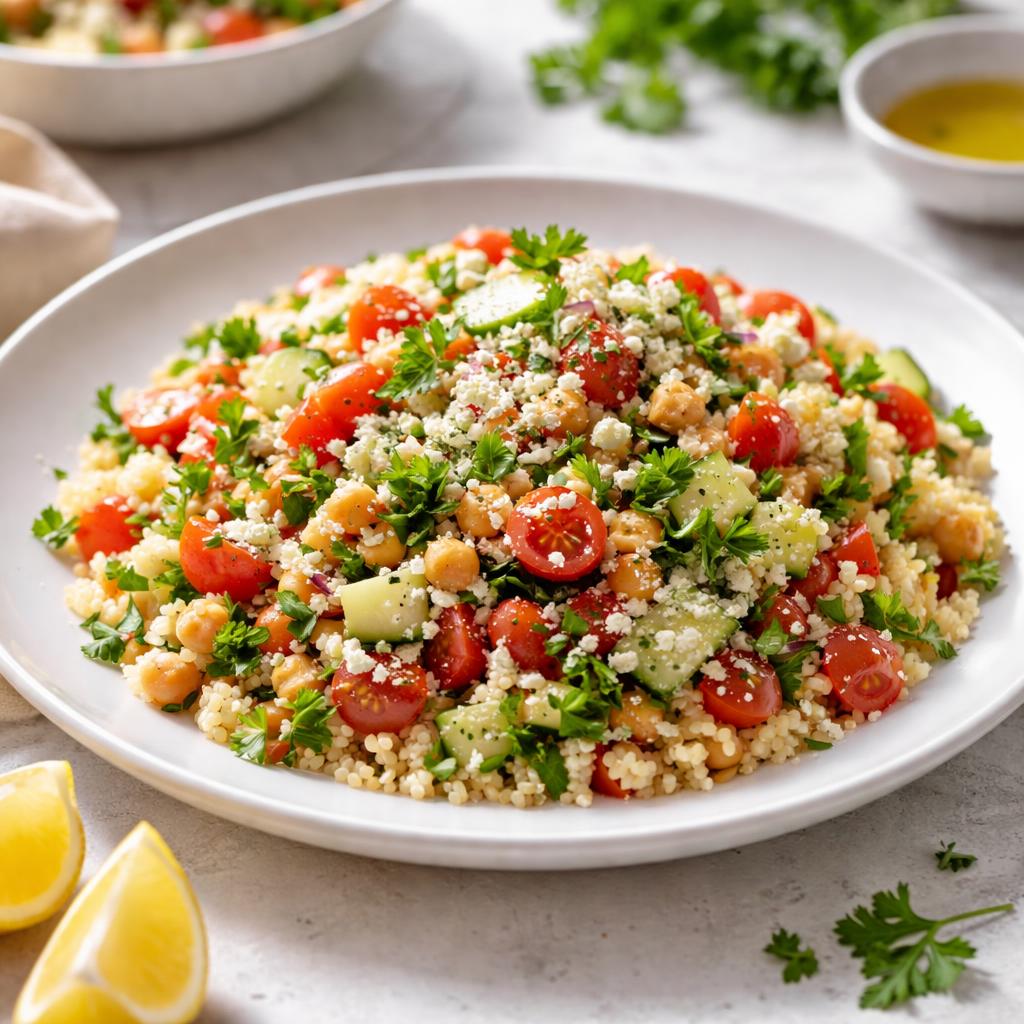
Couscous Salad
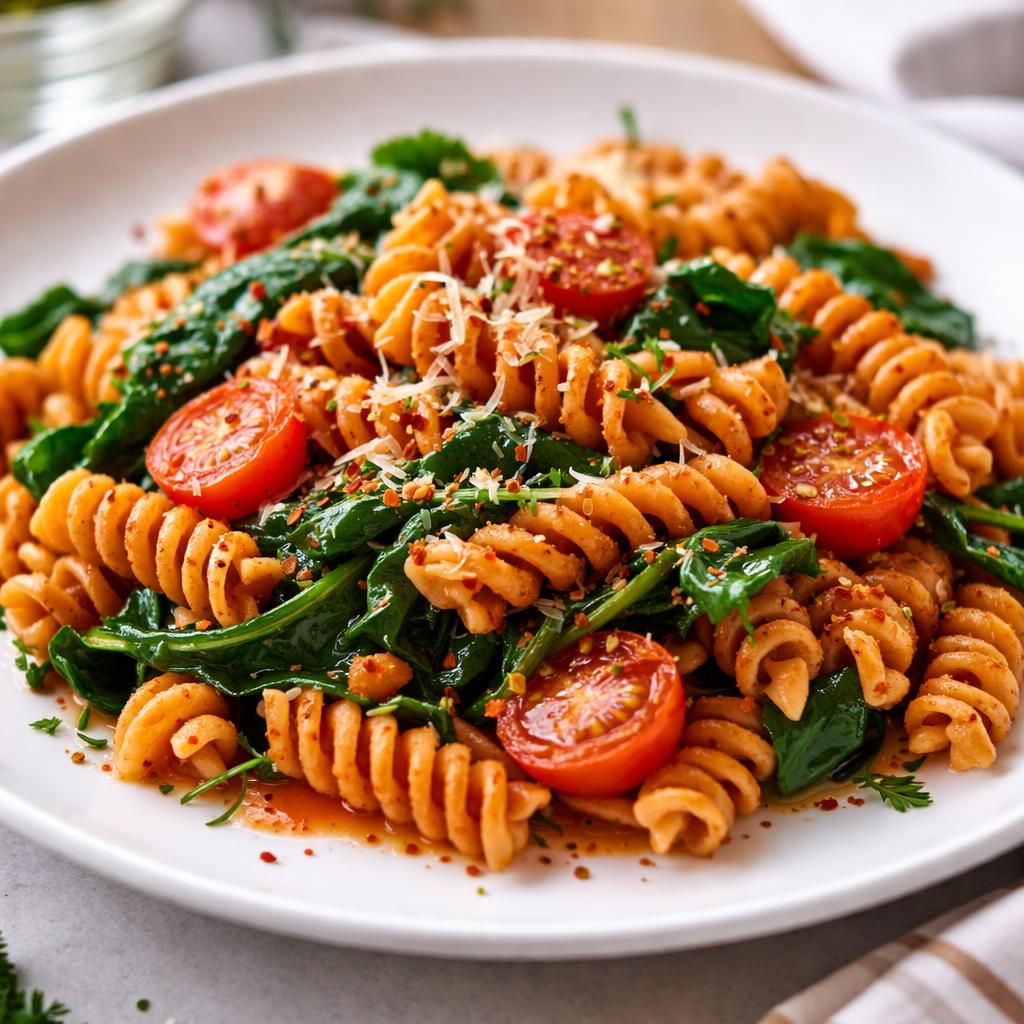
Lentil Pasta
🎯 Quick Verdict
Lentil pasta outperforms couscous salad in protein and fiber, making it an ideal choice for muscle-building and digestive health. Couscous salad is lower in calories and provides a lighter option, making it suitable for weight management or a refreshing side dish. Both are plant-based and versatile for various diets and recipes.

Smart Nutrition Tracking with SnapCalorie

📊 Nutritional Comparison
Macronutrients
| Nutrient | Food 1 | Food 2 | Winner |
|---|---|---|---|
| Calories | 170 | 200 | ✓ |
| Protein | 5g | 13g | ✓ |
| Carbs | 30g | 35g | ✓ |
| Fat | 4g | 1g | ✓ |
| Fiber | 2g | 6g | ✓ |
Vitamins & Minerals
| Nutrient | Food 1 | Food 2 | Winner |
|---|---|---|---|
| Vitamin B6 | 0.1mg | 0.3mg | ✓ |
| Iron | 1mg | 3mg | ✓ |
| Magnesium | 20mg | 50mg | ✓ |
🏆 Category Winners
Protein
Lentil pasta has over 2.5x more protein per serving than couscous salad.
Fiber
Lentil pasta provides triple the fiber of couscous salad, supporting better digestion.
Calories
Couscous salad is approximately 15% lower in calories, ideal for lighter meals.
🥗 Diet Compatibility
Keto
Food 1: Not Compatible
Food 2: Not Compatible
Both are high in carbohydrates.
Vegan
Food 1: Compatible
Food 2: Compatible
Both foods are plant-based and suitable for vegan diets.
Gluten Free
Food 1: Not Compatible
Food 2: Compatible
Couscous contains gluten, while lentil pasta is naturally gluten-free.
Paleo
Food 1: Not Compatible
Food 2: Not Compatible
Both require grains or legumes which are excluded in a paleo diet.
Low-Carb
Food 1: Not Compatible
Food 2: Not Compatible
Both foods are relatively high in carbohydrates.
💪 Health Benefits Comparison
Food 1 Benefits
- Lower in calories for weight management
- Contains simple carbs for immediate energy
- Provides a light source of fiber for digestion
Food 2 Benefits
- Rich in protein for muscle growth and repair
- Excellent source of fiber for gut health
- Higher in iron and magnesium for energy and bone health
- Naturally gluten-free for better suitability in restricted diets
✅ The Bottom Line
For a high-protein, high-fiber option, lentil pasta is the clear winner, making it ideal for active individuals or those needing nutrient-dense meals. Couscous salad suits lighter fare or weight-conscious consumers, providing quick energy and fewer calories. Both foods can be incorporated into balanced plant-based diets effectively.
Choose Food 1 for: Low-calorie meals, quick energy, refreshing side dishes
Choose Food 2 for: Muscle-building, digestive health, gluten-free diets


