Couscous Salad VS Chickpea Pasta
A detailed nutritional comparison
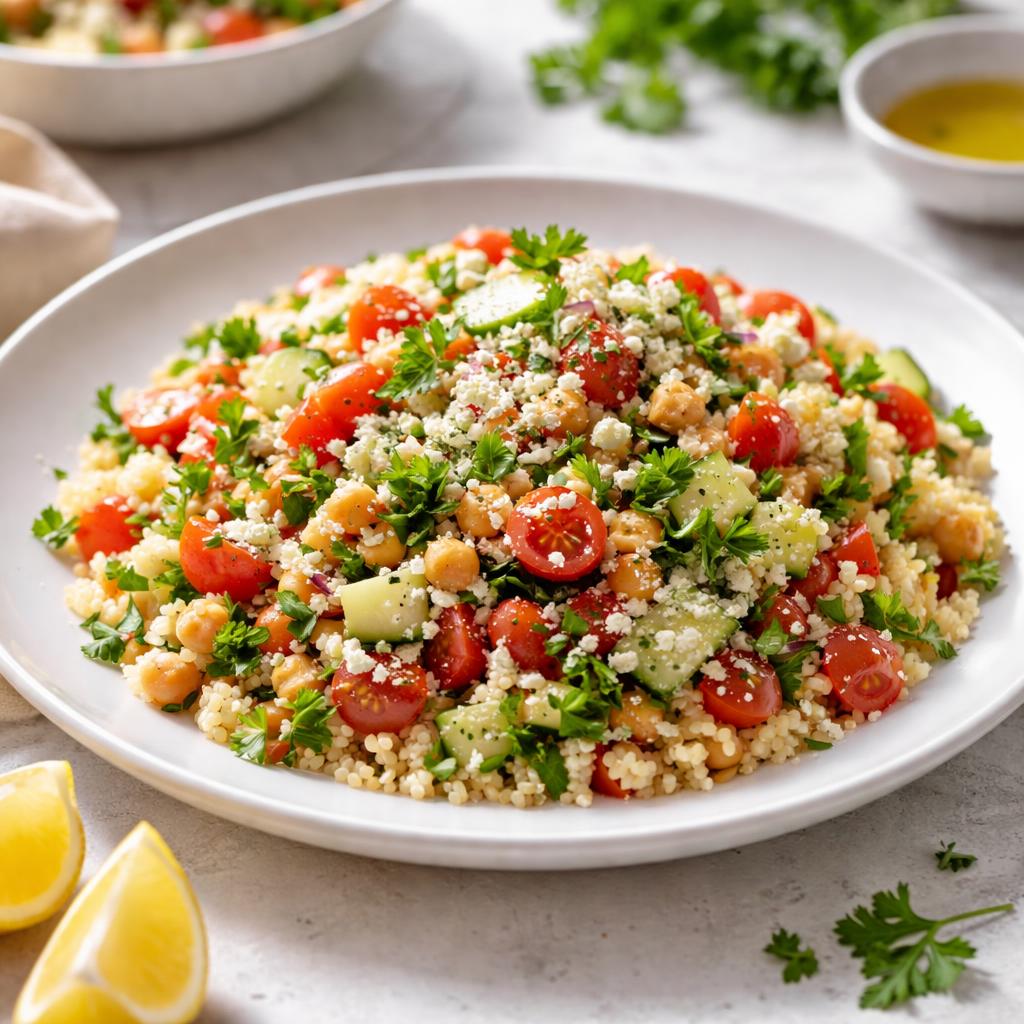
Couscous Salad
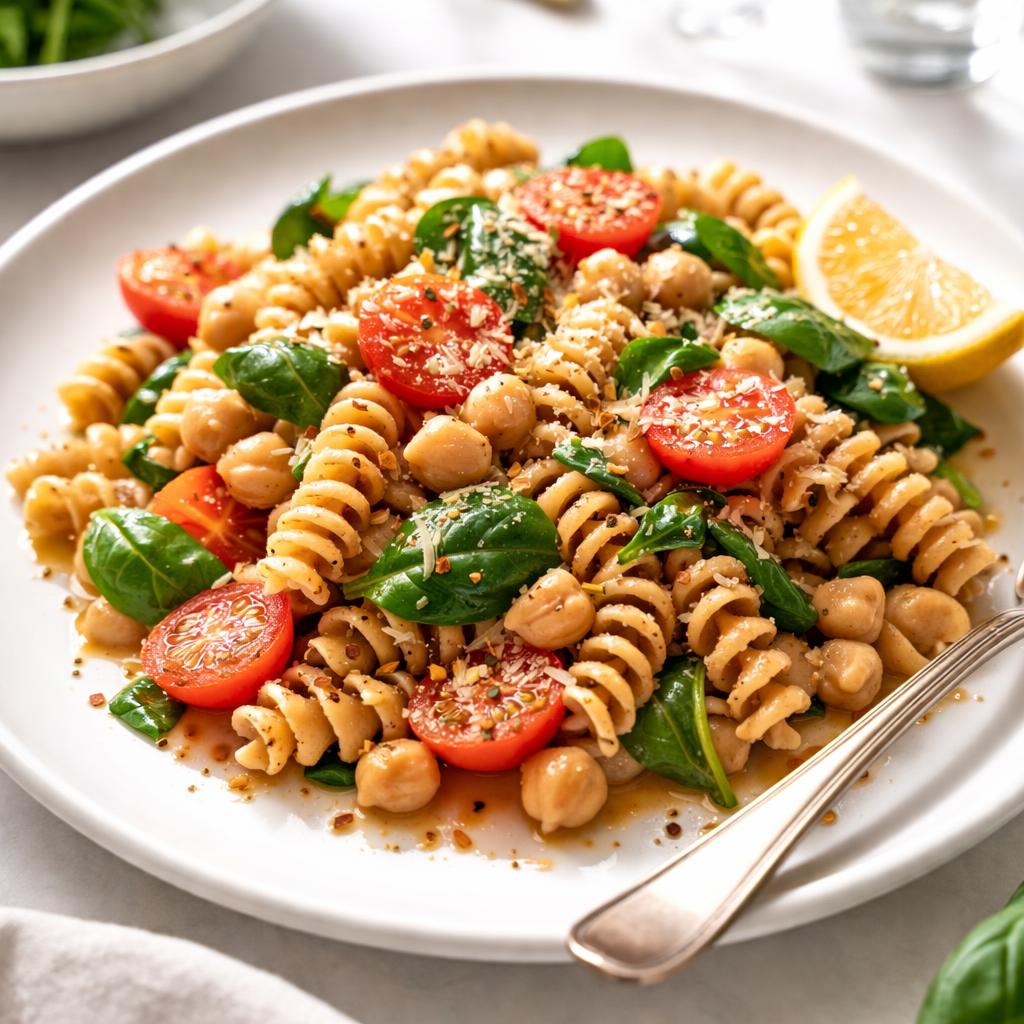
Chickpea Pasta
🎯 Quick Verdict
Chickpea pasta is higher in protein (13g vs 4g) and fiber (8g vs 2g) compared to couscous salad, making it better for sustained energy and muscle maintenance. Couscous salad is lower in calories (180 vs 270 per serving), which can be beneficial for weight loss or lighter meals. Each food has diverse uses depending on dietary goals and preferences.

Smart Nutrition Tracking with SnapCalorie

📊 Nutritional Comparison
Macronutrients
| Nutrient | Food 1 | Food 2 | Winner |
|---|---|---|---|
| Calories | 180 | 270 | ✓ |
| Protein | 4g | 13g | ✓ |
| Carbs | 30g | 34g | ✓ |
| Fat | 6g | 4g | ✓ |
| Fiber | 2g | 8g | ✓ |
Vitamins & Minerals
| Nutrient | Food 1 | Food 2 | Winner |
|---|---|---|---|
| Vitamin A | 40mcg | 0mcg | ✓ |
| Vitamin C | 6mg | 0mg | ✓ |
| Iron | 0.7mg | 2.5mg | ✓ |
| Folate | 40mcg | 80mcg | ✓ |
🏆 Category Winners
Protein
Food2 contains over 3x the protein of food1 per serving (13g vs 4g).
Fiber
Food2 has 4x more fiber (8g vs 2g), supporting digestion and satiety.
Calories
Food1 is lower in calories per serving (180 vs 270).
Vitamins
Food1 provides vitamin A and C, absent in food2.
🥗 Diet Compatibility
Keto
Food 1: Not Compatible
Food 2: Not Compatible
Both are high-carb foods and unsuitable for keto diets.
Vegan
Food 1: Compatible
Food 2: Compatible
Both are plant-based foods.
Gluten Free
Food 1: Not Compatible
Food 2: Compatible
Food1 contains gluten from couscous, while food2 is gluten-free chickpea pasta.
Paleo
Food 1: Not Compatible
Food 2: Not Compatible
Neither fits paleo guidelines due to processed nature and legumes.
Low Carb
Food 1: Not Compatible
Food 2: Not Compatible
Both are moderately high-carb foods (30g vs 34g per serving).
💪 Health Benefits Comparison
Food 1 Benefits
- Lower in calories for weight management
- Includes vitamin C for immune health
- Provides moderate carbs for quick energy
Food 2 Benefits
- High in protein for muscle maintenance and recovery
- Rich in fiber for improved digestion and satiety
- Contains iron and folate for blood health
✅ The Bottom Line
Food1 (couscous salad) is better for light meals, weight loss, or a fresh side dish with vitamins. Food2 (chickpea pasta) is ideal for high-protein needs, fiber intake, and nutrient-dense main courses. Choose based on dietary priorities and meal context.
Choose Food 1 for: Light meals, weight loss, immune health
Choose Food 2 for: Muscle maintenance, high fiber diets, nutrient density


