Cornbread VS Rice Flour
A detailed nutritional comparison
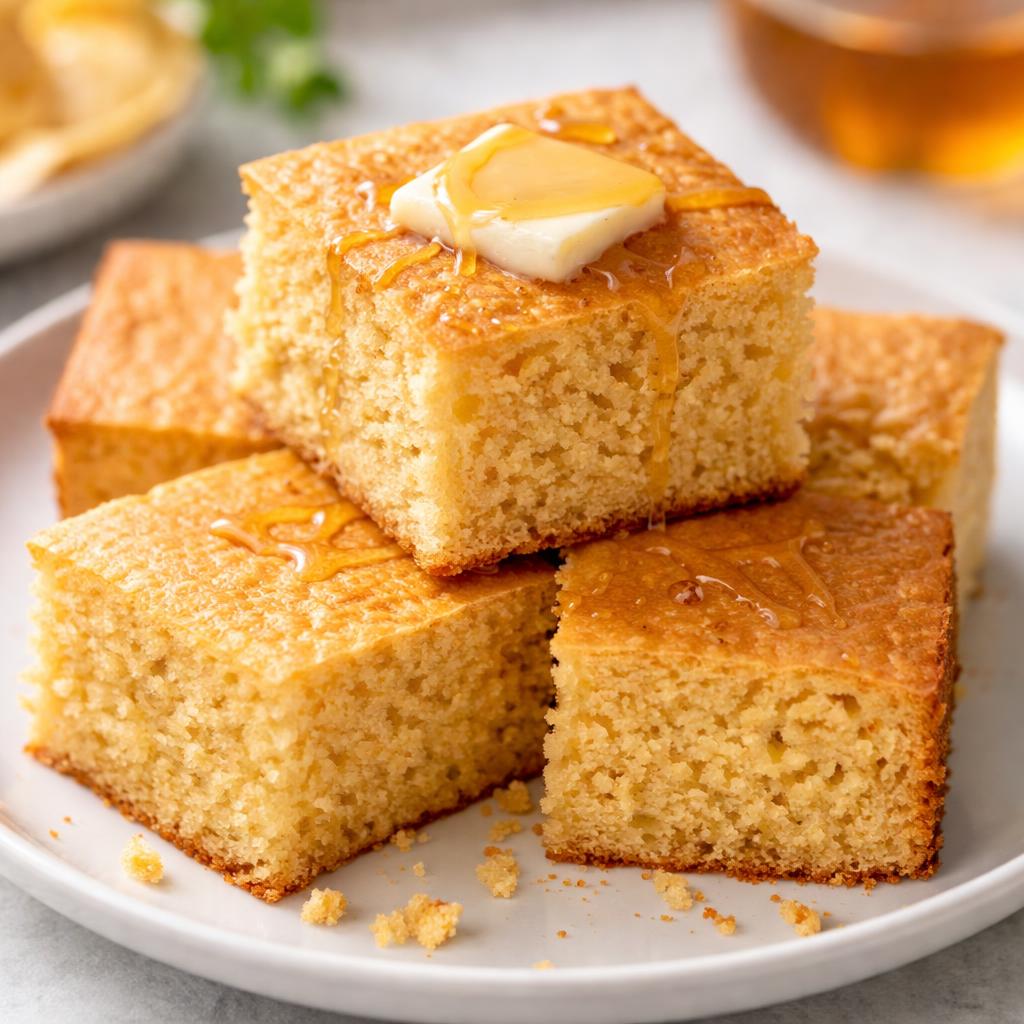
Cornbread
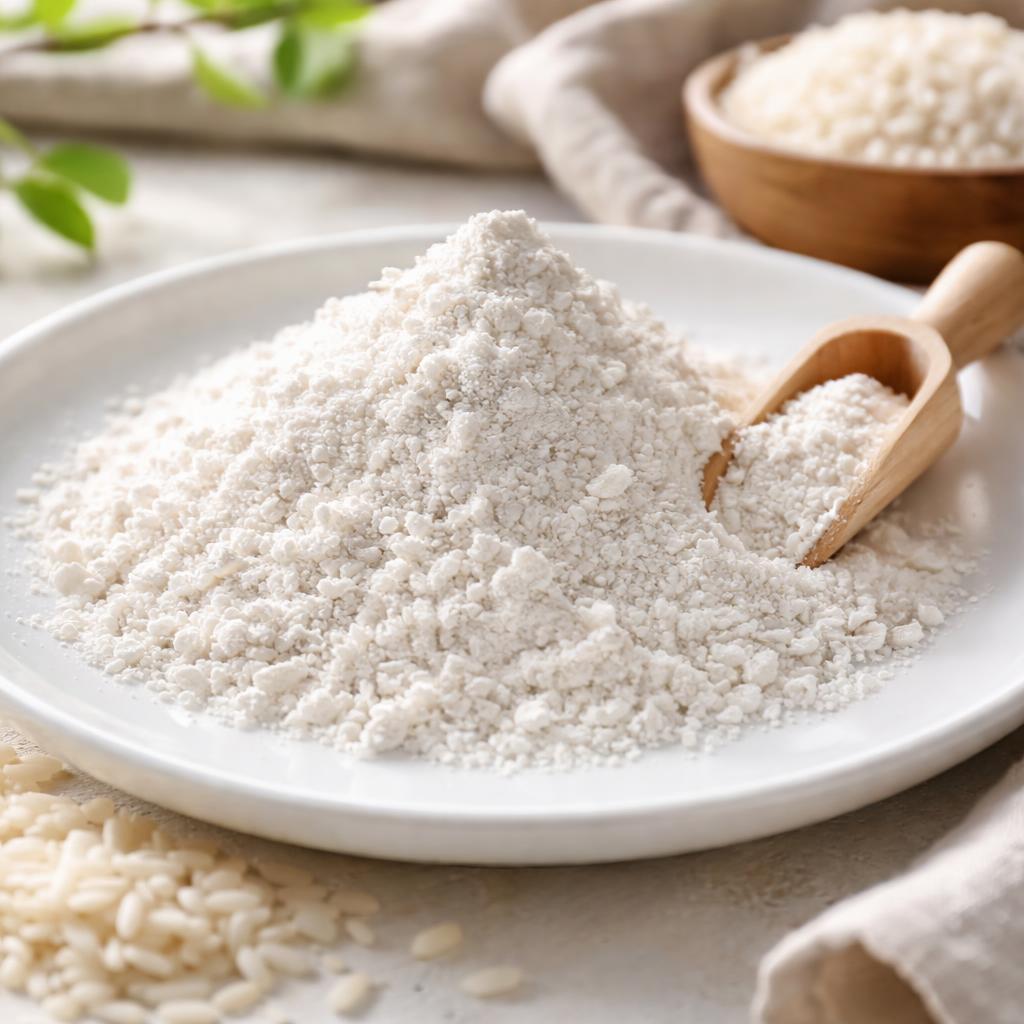
Rice Flour
🎯 Quick Verdict
Cornbread and rice flour differ significantly in their uses and nutritional profiles. Cornbread is higher in protein and has reasonable fiber content, making it suitable as a more satiating option. Rice flour, on the other hand, is lower in calories, gluten-free, and offers more fiber per serving, making it an excellent choice for lighter meals or gluten-free baking needs.

Smart Nutrition Tracking with SnapCalorie

📊 Nutritional Comparison
Macronutrients
| Nutrient | Food 1 | Food 2 | Winner |
|---|---|---|---|
| Calories | 198 (1 slice) | 158 (1/4 cup) | ✓ |
| Protein | 4g | 2g | ✓ |
| Carbs | 26g | 34g | ✓ |
| Fat | 8g | 0.5g | ✓ |
| Fiber | 2g | 2.4g | ✓ |
Vitamins & Minerals
| Nutrient | Food 1 | Food 2 | Winner |
|---|---|---|---|
| Vitamin D | 0mcg | 0mcg | − |
| Calcium | 40mg | 2mg | ✓ |
| Iron | 0.75mg | 0.6mg | ✓ |
🏆 Category Winners
Protein
Cornbread provides twice as much protein per serving compared to rice flour.
Fiber
Rice flour offers slightly more fiber per serving (2.4g vs 2g).
Calories
Rice flour has 20% fewer calories than cornbread per serving.
🥗 Diet Compatibility
Keto
Food 1: Not Compatible
Food 2: Not Compatible
Both foods are high in carbs.
Vegan
Food 1: Depends on recipe
Food 2: Compatible
Rice flour is plant-based, but cornbread may include dairy or eggs.
Gluten Free
Food 1: Not Compatible
Food 2: Compatible
Rice flour is naturally gluten-free, whereas cornbread typically contains gluten.
Paleo
Food 1: Not Compatible
Food 2: Depends on preparation
Rice flour is generally processed, which may not align with strict paleo diets.
Low-Carb
Food 1: Not Compatible
Food 2: Not Compatible
Both foods are high in carbohydrates and unsuitable for low-carb diets.
💪 Health Benefits Comparison
Food 1 Benefits
- Good source of protein for muscle maintenance
- Provides a small amount of calcium for bone health
- Contains moderate fiber for digestion
Food 2 Benefits
- Naturally gluten-free for individuals with celiac disease or gluten sensitivity
- Lower in calories for weight management
- Rich in complex carbohydrates for sustained energy
✅ The Bottom Line
Cornbread is best when you need a filling, protein-rich addition to a meal, especially if gluten is not an issue. Rice flour is better for gluten-free baking or lighter calorie recipes and suits dietary restrictions like gluten-free or vegan diets.
Choose Food 1 for: Comfort foods, protein-rich meals, general baking
Choose Food 2 for: Gluten-free baking, lower-calorie dishes, vegan meals


