Cornbread VS Pumpkin Bread
A detailed nutritional comparison
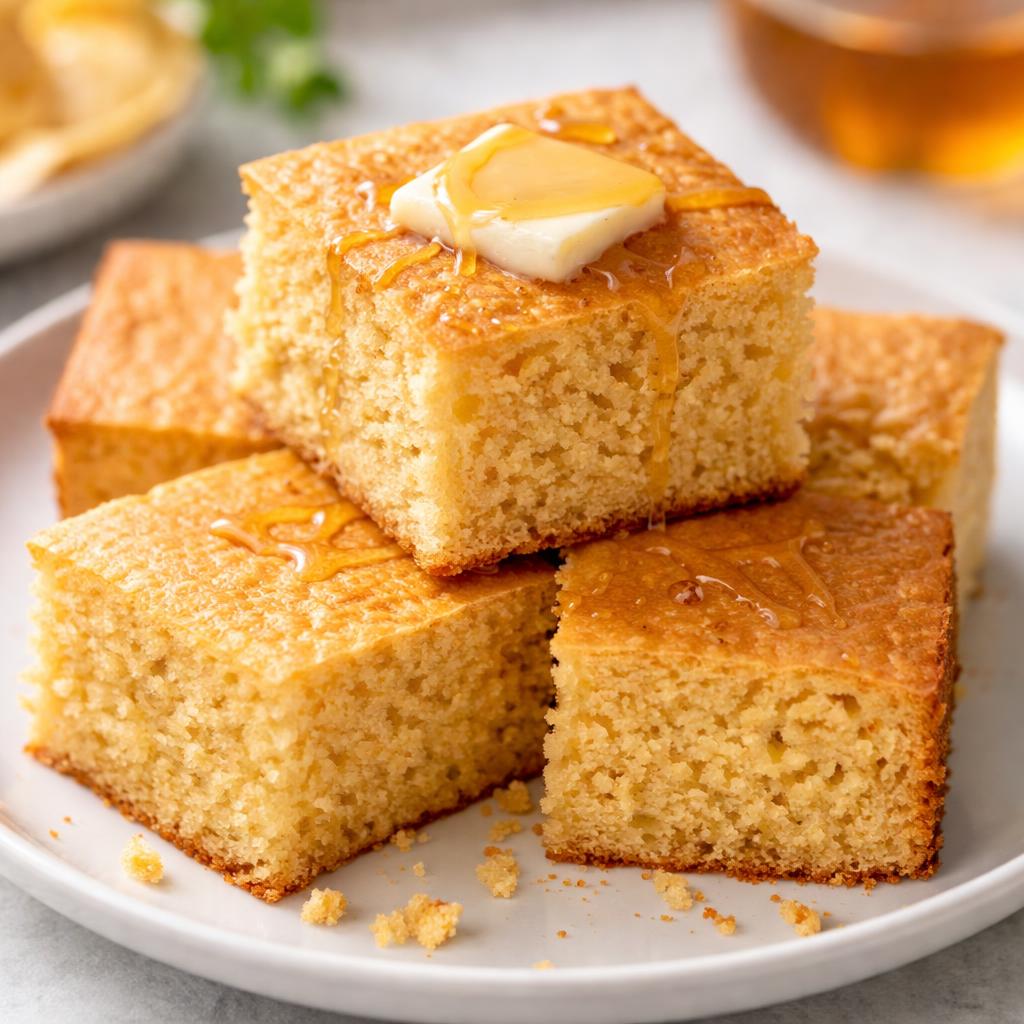
Cornbread
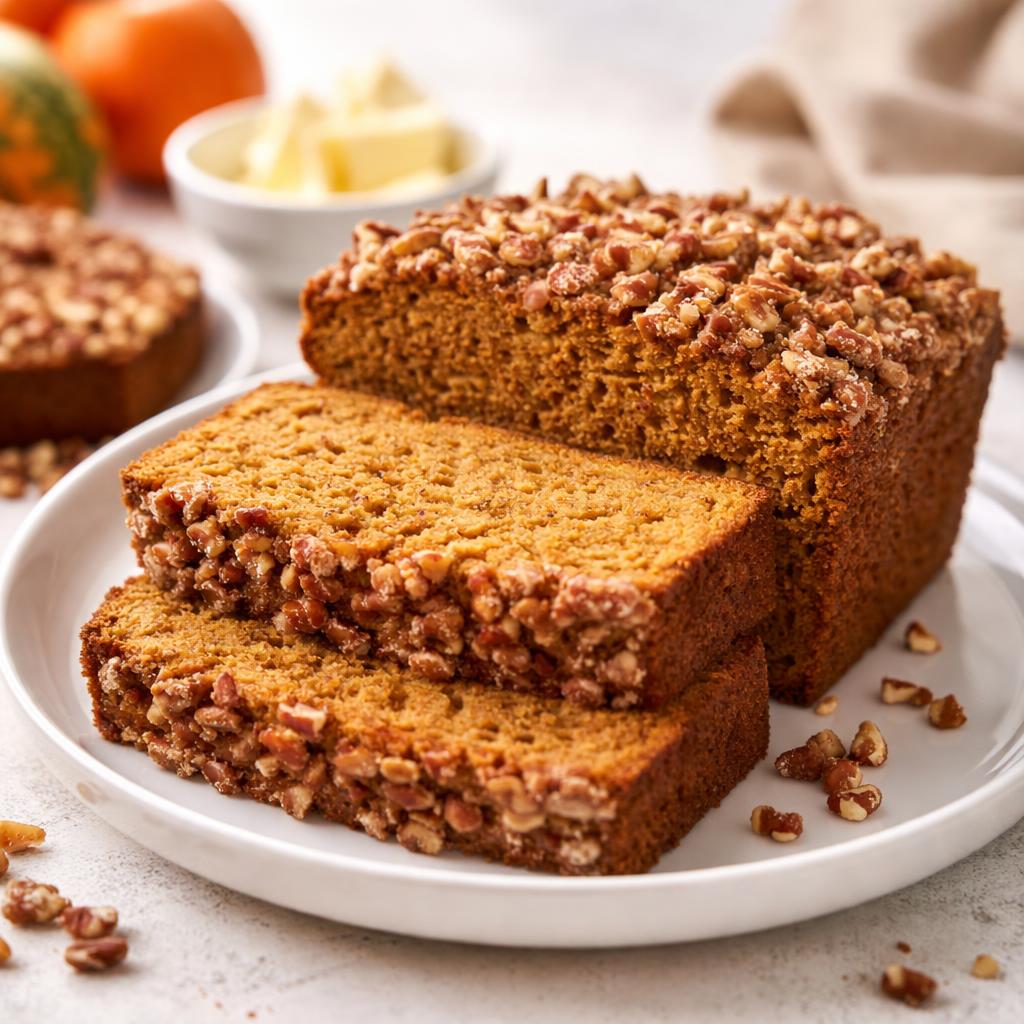
Pumpkin Bread
🎯 Quick Verdict
Pumpkin bread is the more nutrient-dense option with higher fiber and vitamin content, while cornbread offers fewer calories and a balance of macronutrients. Cornbread is versatile for savory dishes, whereas pumpkin bread is ideal for a nutrient-rich snack or breakfast option.

Smart Nutrition Tracking with SnapCalorie

📊 Nutritional Comparison
Macronutrients
| Nutrient | Food 1 | Food 2 | Winner |
|---|---|---|---|
| Calories | 200 | 240 | ✓ |
| Protein | 4g | 4g | − |
| Carbs | 28g | 35g | ✓ |
| Fat | 7g | 8g | ✓ |
| Fiber | 1g | 3g | ✓ |
Vitamins & Minerals
| Nutrient | Food 1 | Food 2 | Winner |
|---|---|---|---|
| Vitamin A | 0mcg | 400mcg | ✓ |
| Vitamin C | 0mg | 1mg | ✓ |
| Calcium | 50mg | 60mg | ✓ |
| Iron | 1.5mg | 2mg | ✓ |
🏆 Category Winners
Protein
Both foods provide the same amount of protein (4g per serving).
Fiber
Pumpkin bread has 3 times more fiber than cornbread, supporting digestion.
Calories
Cornbread has 40 fewer calories per serving.
Vitamins
Pumpkin bread is rich in vitamin A, vitamin C, and provides slightly higher calcium and iron.
🥗 Diet Compatibility
Keto
Food 1: Not Compatible
Food 2: Not Compatible
Both foods are high-carb and not suitable for keto diets.
Vegan
Food 1: Not Compatible
Food 2: Not Compatible
Traditional recipes for both include eggs and dairy.
Gluten Free
Food 1: Not Compatible
Food 2: Not Compatible
Both are typically made with wheat flour and contain gluten.
Paleo
Food 1: Not Compatible
Food 2: Not Compatible
Both contain grains and sweeteners not allowed on the paleo diet.
Low Carb
Food 1: Not Compatible
Food 2: Not Compatible
Both are high in carbohydrates and not suitable for a low-carb diet.
💪 Health Benefits Comparison
Food 1 Benefits
- Lower in calories for portion control
- Versatile side dish for savory meals
- Contains iron for energy production
Food 2 Benefits
- High in vitamin A for eye health
- Rich in fiber for digestive support
- Provides antioxidants for cellular protection
- Slightly higher calcium supports bone health
✅ The Bottom Line
Choose cornbread if you're seeking fewer calories and a balanced carb and fat option, or if pairing with savory meals. Opt for pumpkin bread if you want higher fiber, vitamin A, and nutrient density, especially as a sweeter snack or breakfast option.
Choose Food 1 for: Savory meals, calorie-conscious diets, balanced macronutrient needs
Choose Food 2 for: Nutrient density, digestion support, sweet and energy-dense snacks or breakfast


