Cooked Rice VS Uncooked Rice
A detailed nutritional comparison
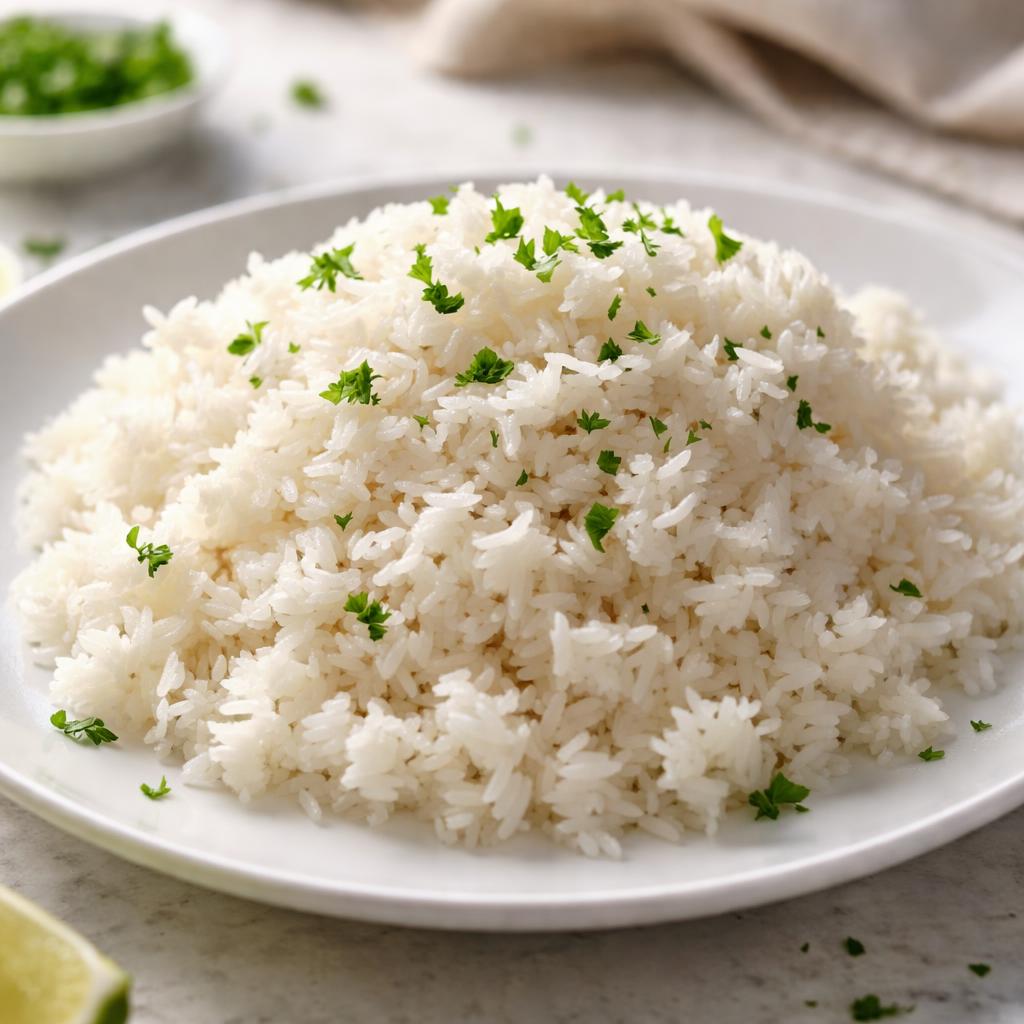
Cooked Rice
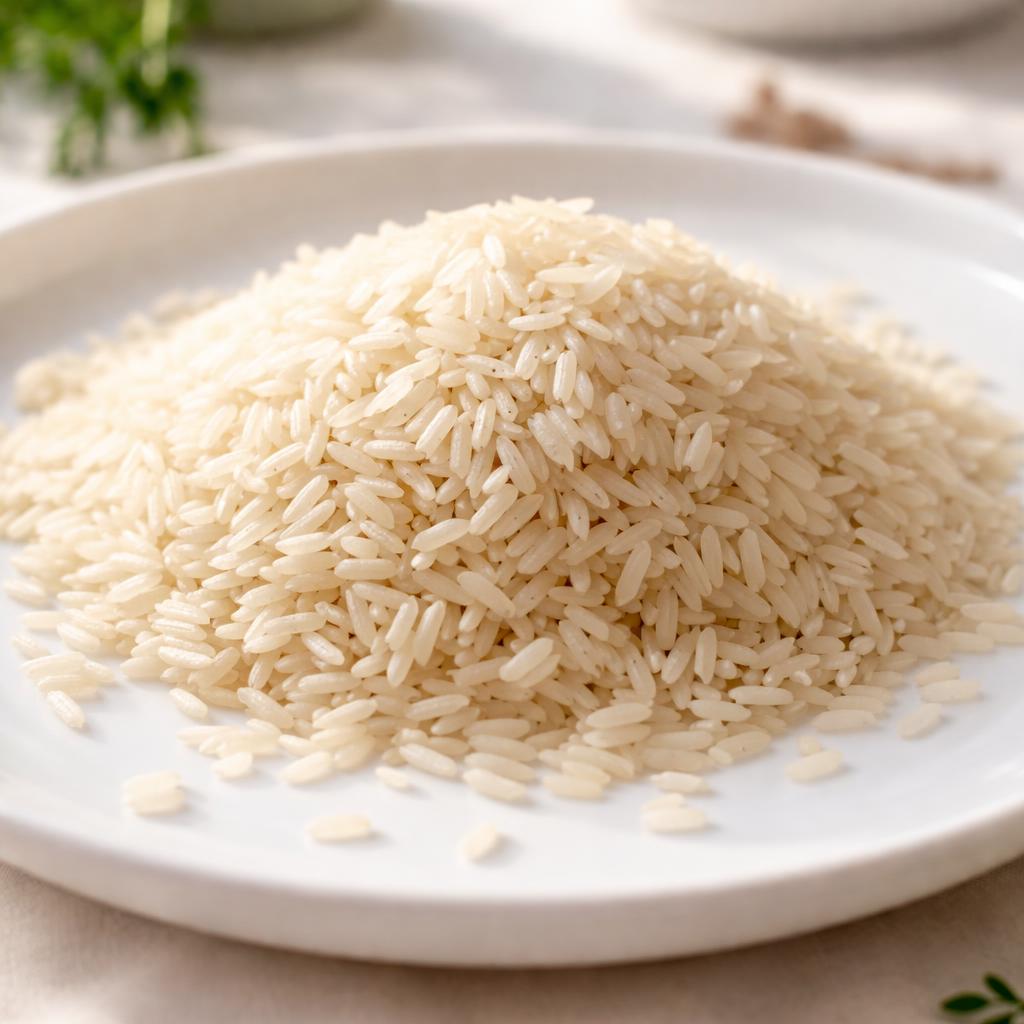
Uncooked Rice
🎯 Quick Verdict
Cooked rice (food1) offers lower calories per serving due to its water content, making it more suitable for weight control diets. Uncooked rice (food2) is nutritionally denser gram-for-gram and better for bulk preparations but requires cooking before consumption. Both options provide similar macronutrients when portion sizes are adjusted appropriately.

Smart Nutrition Tracking with SnapCalorie

📊 Nutritional Comparison
Macronutrients
| Nutrient | Food 1 | Food 2 | Winner |
|---|---|---|---|
| Calories | 130 per 100g | 350 per 100g | ✓ |
| Protein | 2.7g per 100g | 7.9g per 100g | − |
| Carbs | 28g per 100g | 77g per 100g | ✓ |
| Fat | 0.3g per 100g | 0.9g per 100g | ✓ |
| Fiber | 0.4g per 100g | 1.2g per 100g | − |
Vitamins & Minerals
| Nutrient | Food 1 | Food 2 | Winner |
|---|---|---|---|
| Vitamin B1 (Thiamin) | 0.02mg per 100g | 0.19mg per 100g | ✓ |
| Magnesium | 6mg per 100g | 25mg per 100g | ✓ |
| Iron | 0.2mg per 100g | 0.8mg per 100g | ✓ |
🏆 Category Winners
Protein
Both foods provide similar amounts of protein but food2 is more concentrated due to being uncooked.
Fiber
Fiber levels are similar between the two, though uncooked rice is slightly more dense.
Calories
Cooked rice contains significantly fewer calories owing to its higher water content.
Vitamins
Uncooked rice retains higher levels of vitamins and minerals like magnesium, iron, and thiamin.
🥗 Diet Compatibility
Keto
Food 1: Not Compatible
Food 2: Not Compatible
Both foods are high-carb and unsuitable for keto diets.
Vegan
Food 1: Compatible
Food 2: Compatible
Both are plant-based and suitable for vegan diets.
Gluten Free
Food 1: Compatible
Food 2: Compatible
Neither food contains gluten.
Paleo
Food 1: Conditionally Compatible
Food 2: Conditionally Compatible
Rice is not strictly paleo but is often accepted in moderation.
Low Carb
Food 1: Not Compatible
Food 2: Not Compatible
Both foods are high in carbs and not suited for low-carb diets.
💪 Health Benefits Comparison
Food 1 Benefits
- Lower in calories, supporting weight control
- Easier to digest due to cooked form
- Provides hydration through its high water content
Food 2 Benefits
- Higher in nutrient density, including vitamins and minerals
- Longer shelf-life, ideal for bulk storage
- Rich in carbohydrates for sustained energy
✅ The Bottom Line
Cooked rice (food1) is better for immediate consumption, weight management, and ease of digestion, while uncooked rice (food2) is more nutritionally dense, convenient for storage, and versatile for meal prep. Choose cooked rice when prioritizing convenience or lower calorie intake, and choose uncooked rice for bulk usage in recipes.
Choose Food 1 for: Weight control, ready-to-eat meals, lower calorie diets
Choose Food 2 for: Long-term storage, meal prep, energy-dense diets


