Cooked Rice VS Rice With Lentils
A detailed nutritional comparison
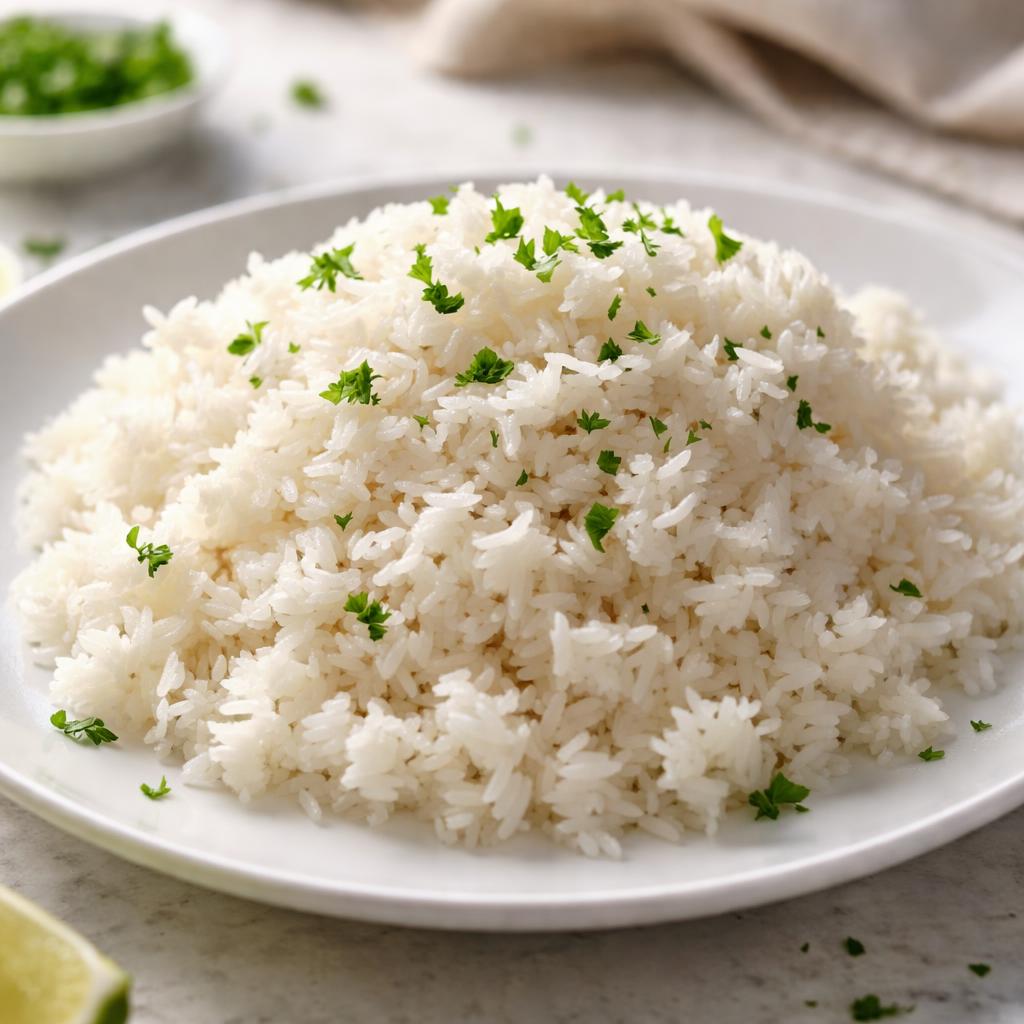
Cooked Rice
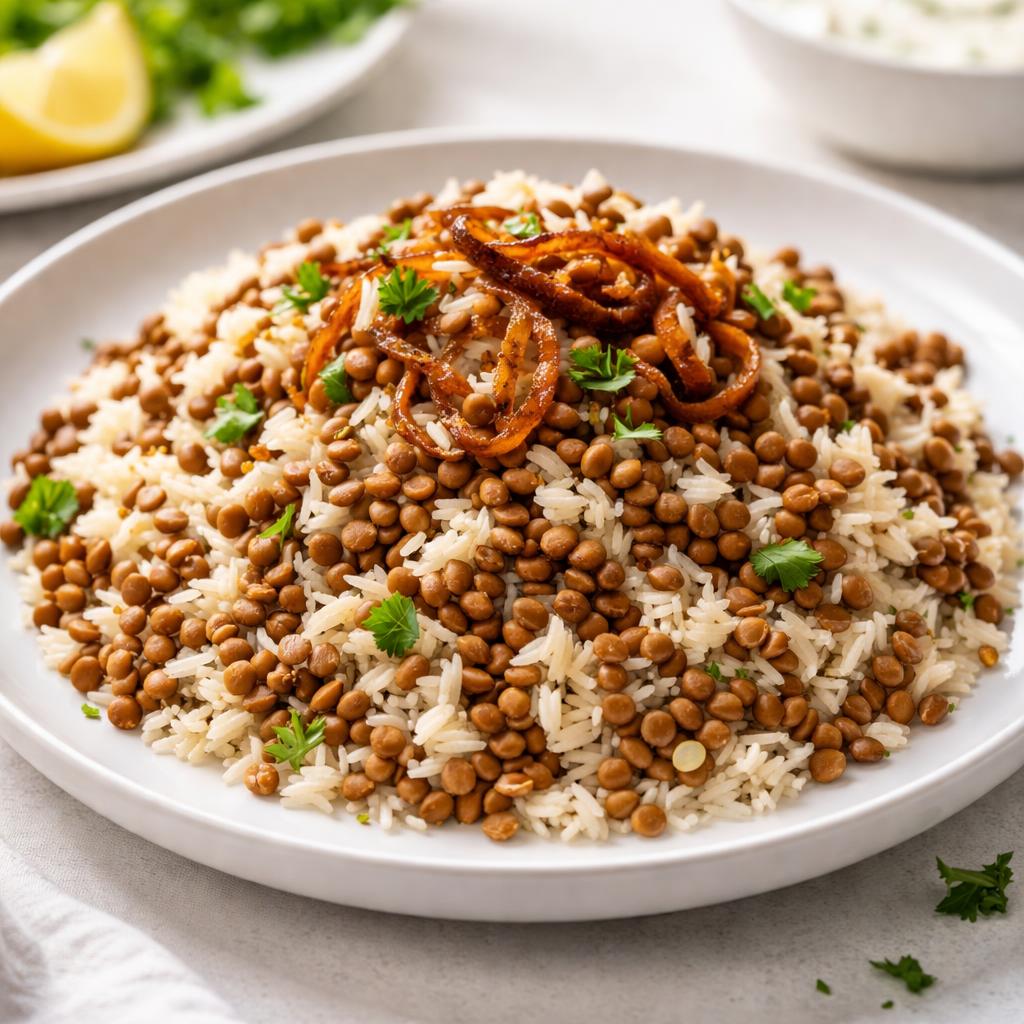
Rice With Lentils
🎯 Quick Verdict
Rice with lentils provides a superior nutritional profile compared to plain cooked rice due to its higher protein and fiber content, making it more filling and nutrient-dense. Cooked rice is lower in calories and more suitable for low-energy meals or as a simple carbohydrate option. Rice with lentils is better for balanced meals and sustained energy.

Smart Nutrition Tracking with SnapCalorie

📊 Nutritional Comparison
Macronutrients
| Nutrient | Food 1 | Food 2 | Winner |
|---|---|---|---|
| Calories | 130 kcal per 1 cup | 180 kcal per 1 cup | ✓ |
| Protein | 2.7g | 9g | ✓ |
| Carbs | 28g | 32g | ✓ |
| Fat | 0.3g | 1.5g | ✓ |
| Fiber | 0.6g | 7g | ✓ |
Vitamins & Minerals
| Nutrient | Food 1 | Food 2 | Winner |
|---|---|---|---|
| Vitamin B6 | 0.1mg | 0.3mg | ✓ |
| Iron | 0.2mg | 2.1mg | ✓ |
| Folate | 1mcg | 90mcg | ✓ |
🏆 Category Winners
Protein
Rice with lentils contains more than triple the protein compared to cooked rice.
Fiber
Rice with lentils provides significantly more fiber (7g vs 0.6g), improving digestion.
Calories
Cooked rice has fewer calories (130 vs 180 per cup), making it better for calorie-conscious diets.
Vitamins
Rice with lentils delivers higher micronutrient density, especially iron and folate.
🥗 Diet Compatibility
Keto
Food 1: Not Compatible
Food 2: Not Compatible
Both foods are high-carb and unsuitable for keto diets.
Vegan
Food 1: Compatible
Food 2: Compatible
Both are plant-based and suitable for vegans.
Gluten Free
Food 1: Compatible
Food 2: Compatible
Neither contains gluten.
Paleo
Food 1: Not Compatible
Food 2: Not Compatible
Legumes (lentils) and grains (rice) are excluded in paleo diets.
Low-Carb
Food 1: Not Compatible
Food 2: Not Compatible
Both are high in carbohydrates.
💪 Health Benefits Comparison
Food 1 Benefits
- Provides quick energy for physical activities
- Easily digestible and suitable for sensitive stomachs
- Good base for diverse cuisines
Food 2 Benefits
- Rich in protein to support muscle growth and repair
- High fiber content helps improve digestion and satiety
- Contains iron and folate essential for blood health
✅ The Bottom Line
Rice with lentils is nutritionally superior for sustained energy and balanced meals due to higher protein, fiber, and micronutrient content. Cooked rice is a simpler, lower-calorie option better for light meals or quick energy. Choose rice with lentils for nutrient density and satiety, and cooked rice for low-calorie carbohydrate requirements.
Choose Food 1 for: Light meals, sensitive stomachs, calorie-controlled diets
Choose Food 2 for: Balanced diets, post-workout meals, sustained energy, nutrient density


