Cooked Rice VS Rice Pilaf
A detailed nutritional comparison
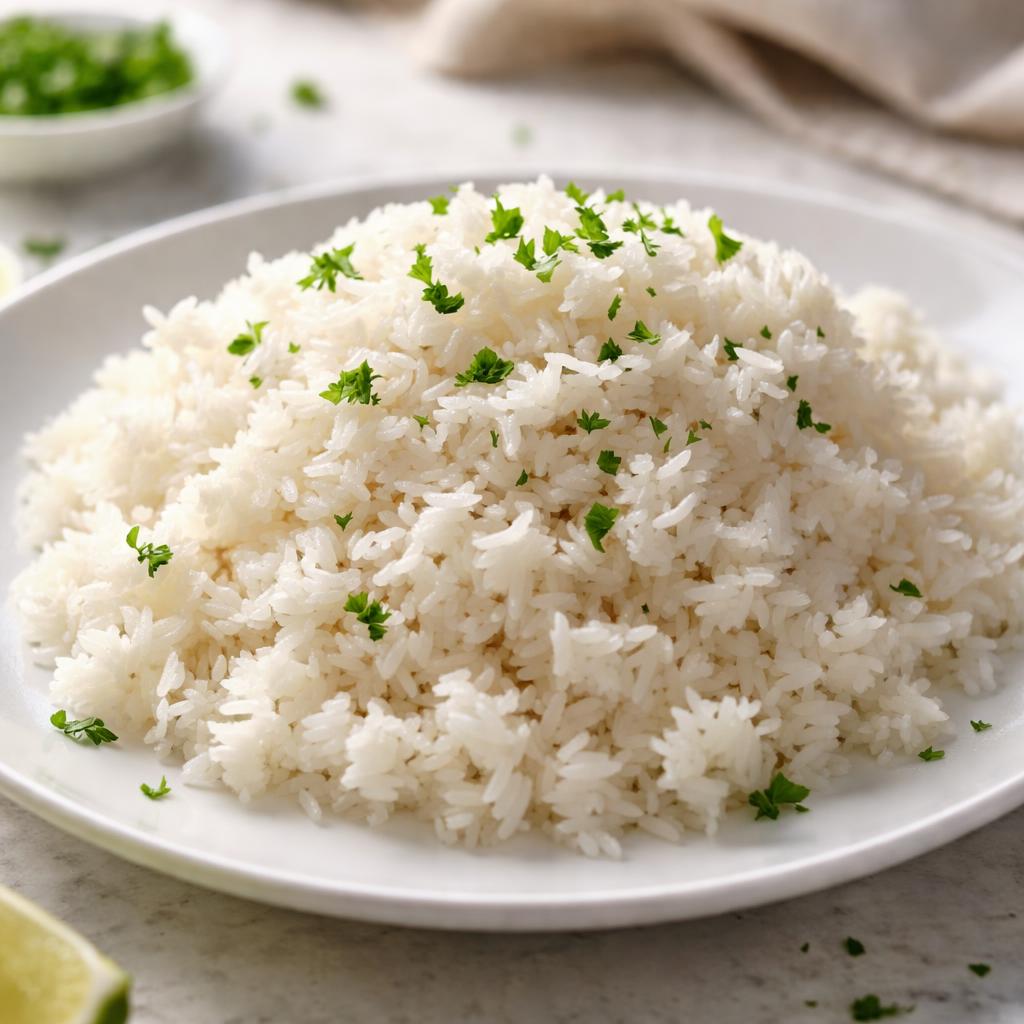
Cooked Rice
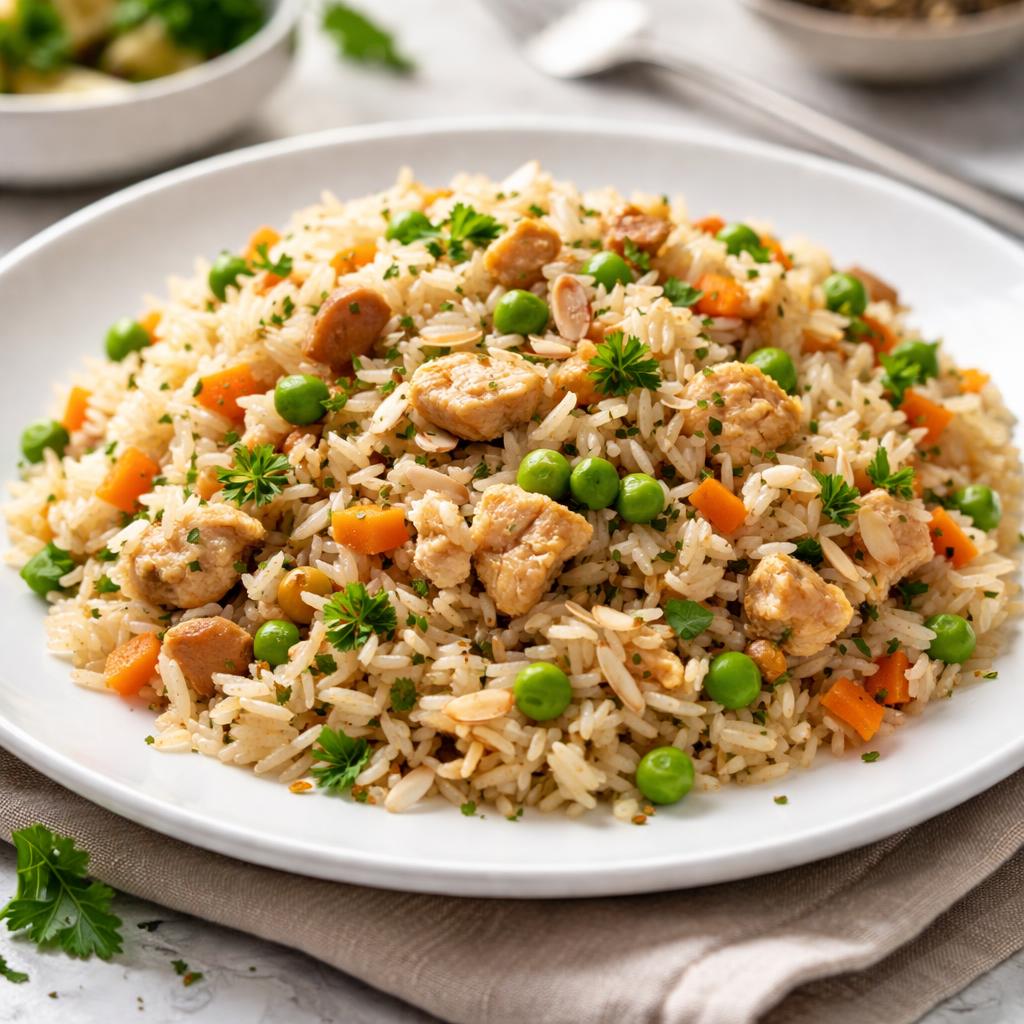
Rice Pilaf
🎯 Quick Verdict
Cooked rice is lower in calories and fat, making it ideal for weight-conscious individuals. Rice pilaf, however, is higher in protein, fiber, and often includes added herbs and spices, providing improved flavor and nutrient density. Choose plain cooked rice for simplicity or rice pilaf for enhanced taste and nutritional benefits.

Smart Nutrition Tracking with SnapCalorie

📊 Nutritional Comparison
Macronutrients
| Nutrient | Food 1 | Food 2 | Winner |
|---|---|---|---|
| Calories | 130 | 170 | ✓ |
| Protein | 2.5g | 4g | ✓ |
| Carbs | 28g | 30g | ✓ |
| Fat | 0.3g | 5g | ✓ |
| Fiber | 0.5g | 1.5g | ✓ |
Vitamins & Minerals
| Nutrient | Food 1 | Food 2 | Winner |
|---|---|---|---|
| Vitamin D | 0mcg | 0mcg | − |
| Calcium | 10mg | 20mg | ✓ |
| Iron | 0.2mg | 0.8mg | ✓ |
| Vitamin C | 0mg | 1mg | ✓ |
🏆 Category Winners
Protein
Rice pilaf has 60% more protein due to added ingredients like nuts and legumes.
Fiber
Rice pilaf contains 3 times more fiber thanks to added vegetables or whole grains.
Calories
Cooked rice is 40 calories lighter per serving, benefiting weight control.
🥗 Diet Compatibility
Keto
Food 1: Not Compatible
Food 2: Not Compatible
Both are high-carbohydrate foods unsuitable for keto diets.
Vegan
Food 1: Compatible
Food 2: Typically Compatible
Food2 is vegan if made without animal-based broths or butter.
Gluten Free
Food 1: Compatible
Food 2: Generally Compatible
Rice pilaf is gluten-free if no wheat-based seasonings are added.
Paleo
Food 1: Compatible
Food 2: Depends
Plain rice is paleo-friendly, but pilaf's added ingredients (like legumes) may not be.
Low-Carb
Food 1: Not Compatible
Food 2: Not Compatible
Both foods are high in carbohydrates, which aren't suited for low-carb diets.
💪 Health Benefits Comparison
Food 1 Benefits
- Low in calories for easy dietary control
- Quick source of energy from complex carbohydrates
- Gluten-free and simple ingredient profile
Food 2 Benefits
- Higher protein supports muscle tissue
- More fiber promotes digestive health
- Nutrient-dense with added minerals and vitamins from extra ingredients
✅ The Bottom Line
Choose cooked rice for a low-calorie, simple, versatile dish ideal for weight management and straightforward recipes. Opt for rice pilaf if you want elevated taste, more fiber, protein, and micronutrient diversity for a filling and nutritionally improved option.
Choose Food 1 for: Basic recipes, weight loss, quick energy
Choose Food 2 for: Flavorful meals, nutrient boost, improved digestion


