Cooked Rice VS Curd Rice
A detailed nutritional comparison
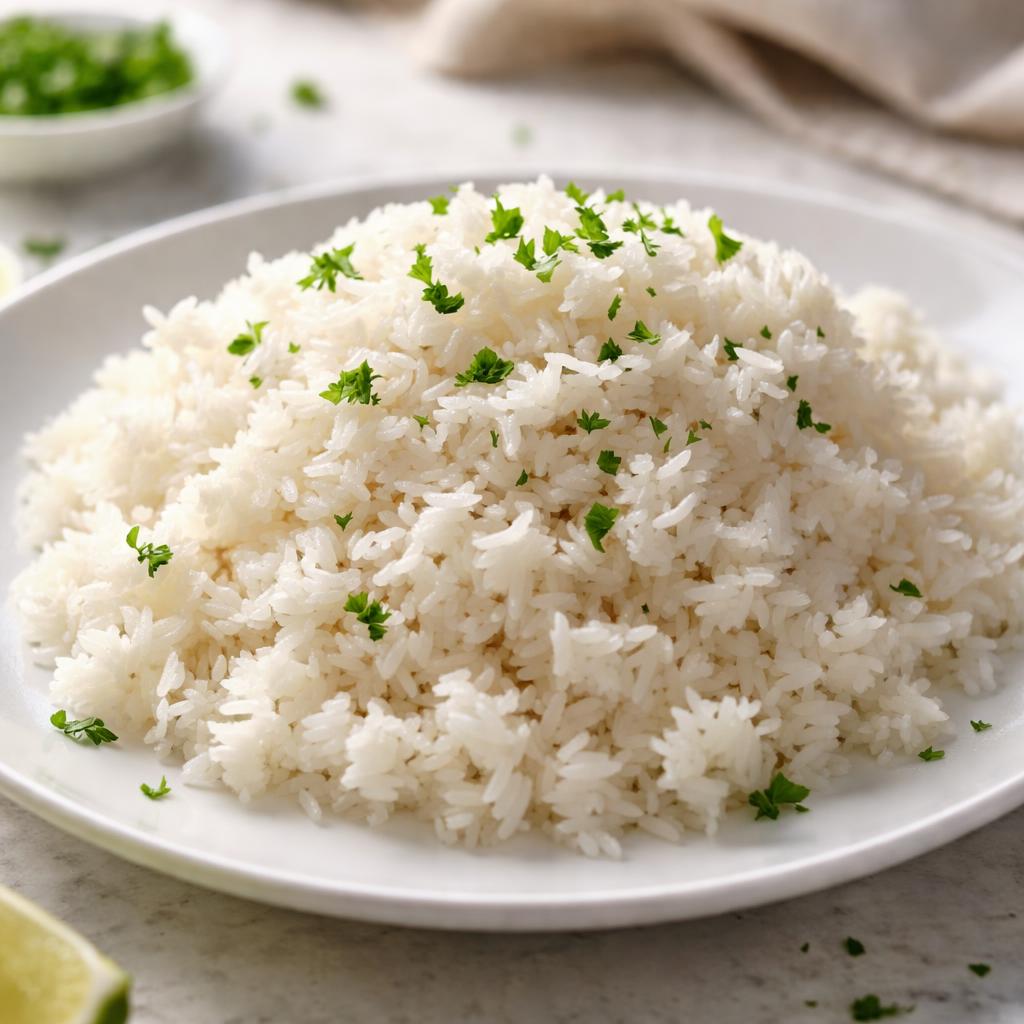
Cooked Rice
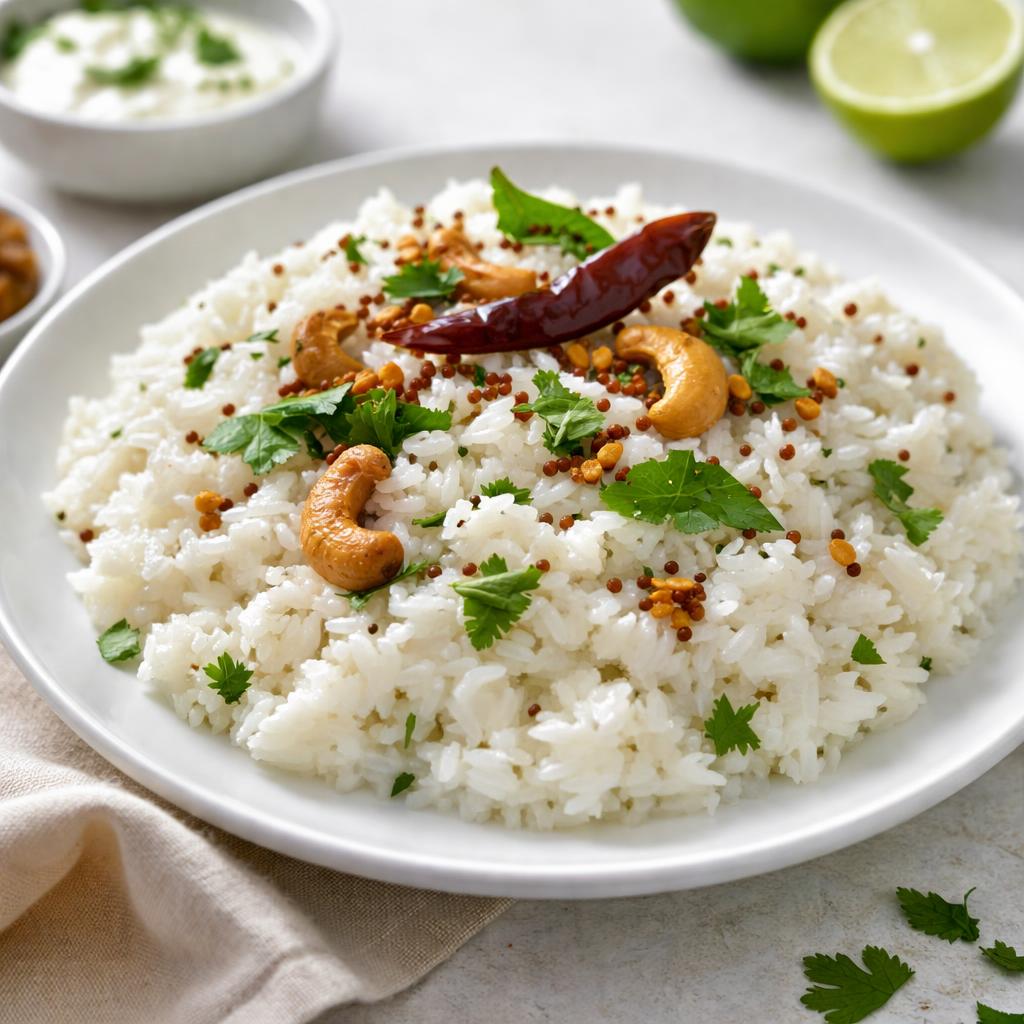
Curd Rice
🎯 Quick Verdict
Cooked rice is simpler and lower in calories, suitable for lighter meals or weight loss. Curd rice offers added protein and gut health benefits due to probiotics, making it a nutritious and satiating option overall. Both are good sources of energy and pair well with other dishes.

Smart Nutrition Tracking with SnapCalorie

📊 Nutritional Comparison
Macronutrients
| Nutrient | Food 1 | Food 2 | Winner |
|---|---|---|---|
| Calories | 130 (per 100g) | 158 (per 100g) | ✓ |
| Protein | 2.7g | 4.1g | ✓ |
| Carbs | 28g | 22g | ✓ |
| Fat | 0.3g | 4g | ✓ |
| Fiber | 0.4g | 0.5g | − |
Vitamins & Minerals
| Nutrient | Food 1 | Food 2 | Winner |
|---|---|---|---|
| Vitamin D | 0mcg | 0.2mcg | ✓ |
| Calcium | 10mg | 120mg | ✓ |
| Iron | 0.2mg | 0.3mg | ✓ |
🏆 Category Winners
Protein
Curd rice contains nearly 50% more protein per 100g due to yogurt.
Fiber
Both cooked rice and curd rice provide similar minimal fiber levels.
Calories
Cooked rice contains about 18% fewer calories than curd rice per 100g.
Vitamins
Curd rice provides significantly higher calcium and traces of vitamin D compared to plain cooked rice.
🥗 Diet Compatibility
Keto
Food 1: Not Compatible
Food 2: Not Compatible
Both foods are high-carb and unsuitable for keto diets.
Vegan
Food 1: Compatible
Food 2: Not Compatible
Cooked rice is plant-based, while curd rice includes yogurt (animal-derived).
Gluten Free
Food 1: Compatible
Food 2: Compatible
Neither food contains gluten and is safe for gluten-free diets.
Paleo
Food 1: Not Compatible
Food 2: Not Compatible
Rice is excluded from paleo diets; curd rice also includes dairy.
Low-Carb
Food 1: Not Compatible
Food 2: Not Compatible
Both foods contain over 20g of carbohydrates per serving, unsuitable for low-carb diets.
💪 Health Benefits Comparison
Food 1 Benefits
- Provides quick energy due to high carbohydrate content
- Low in fat, making it suitable for light meals
- Easy to digest and good for sensitive stomachs
Food 2 Benefits
- Contains probiotics from yogurt for improved gut health
- Good source of calcium, supporting bone health
- Higher protein content, aiding in muscle maintenance
✅ The Bottom Line
Cooked rice is a basic, low-calorie option suitable for lighter meals or pairing with various dishes. Curd rice is more nutrient-dense and offers gut health benefits, making it a better standalone dish or a post-meal option for improved digestion. Choose based on your health goals and meal use case.
Choose Food 1 for: Weight loss, lighter meals, pair with flavorful curries
Choose Food 2 for: Gut health, satiating snacks, nutrient-density focus


