Cooked Rice VS Cooked White Rice
A detailed nutritional comparison
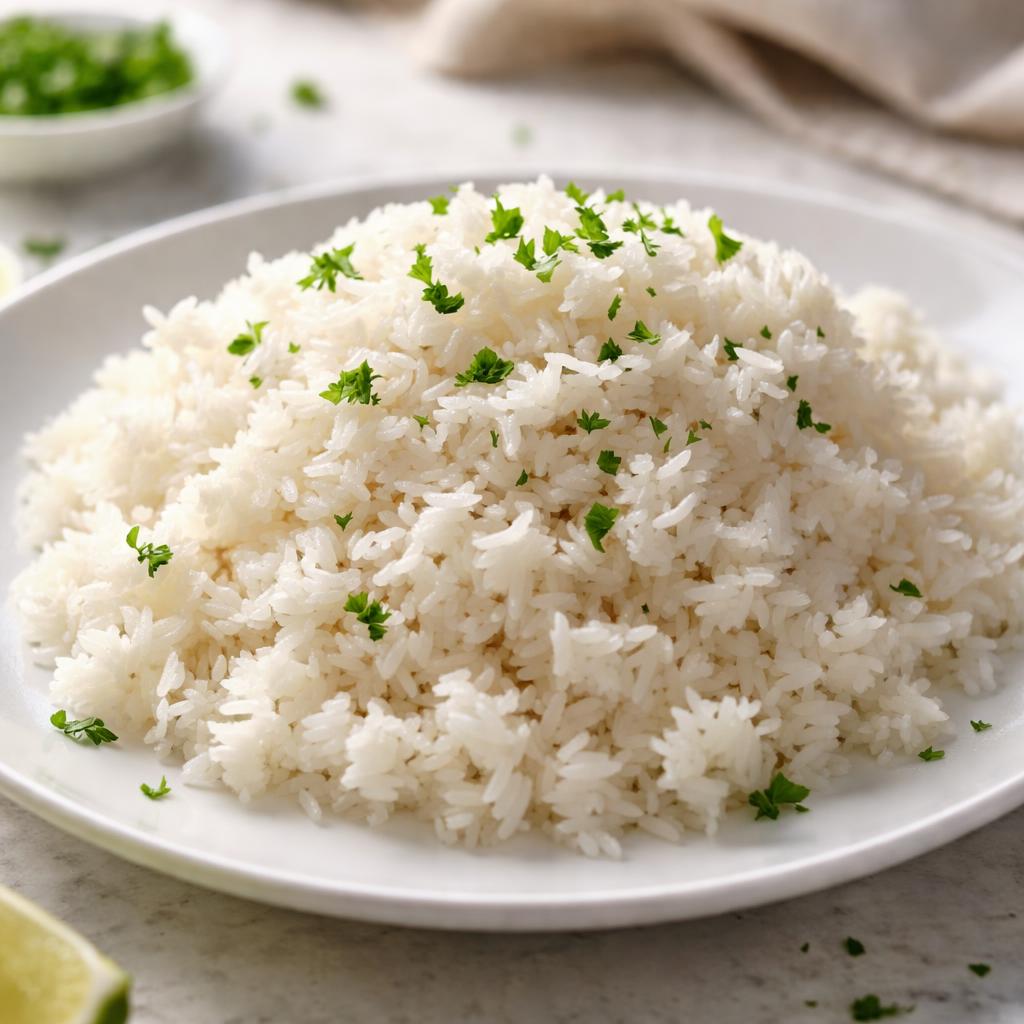
Cooked Rice
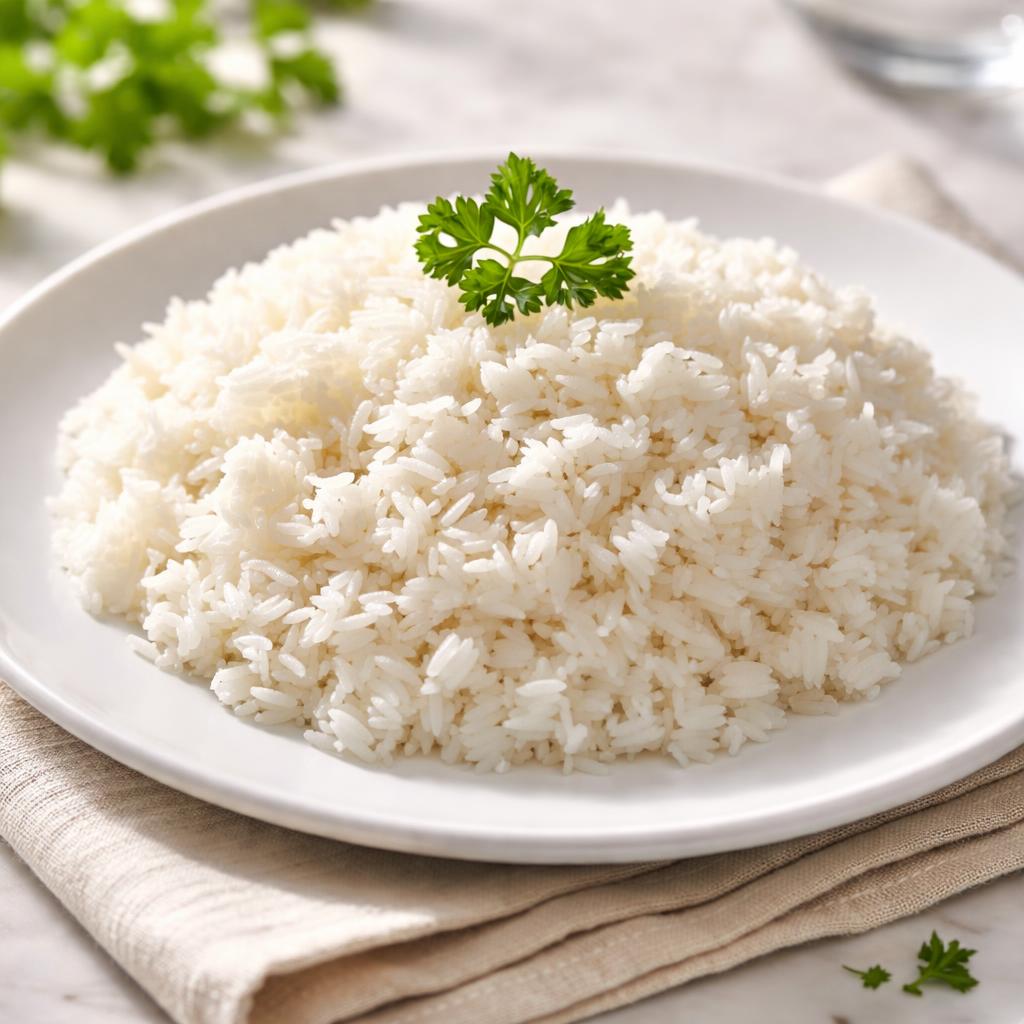
Cooked White Rice
🎯 Quick Verdict
Cooked rice and cooked white rice share highly similar nutritional profiles as both are plain cooked rice varieties, typically referring to the same food category. Their differences are negligible in terms of calories, protein, and fiber. Both are versatile carbohydrate staples ideal for energy needs but not suitable for low-carb diets.

Smart Nutrition Tracking with SnapCalorie

📊 Nutritional Comparison
Macronutrients
| Nutrient | Food 1 | Food 2 | Winner |
|---|---|---|---|
| Calories | 130 | 130 | − |
| Protein | 2.7g | 2.7g | − |
| Carbs | 28g | 28g | − |
| Fat | 0.3g | 0.3g | − |
| Fiber | 0.4g | 0.4g | − |
Vitamins & Minerals
| Nutrient | Food 1 | Food 2 | Winner |
|---|---|---|---|
| Vitamin D | 0mcg | 0mcg | − |
| Calcium | 5mg | 5mg | − |
| Iron | 0.2mg | 0.2mg | − |
🏆 Category Winners
Protein
Both foods contain 2.7g of protein per serving.
Fiber
Both foods provide the same amount of fiber (0.4g per serving).
Calories
Both cooked rice and cooked white rice have 130 calories per serving.
🥗 Diet Compatibility
Keto
Food 1: Not Compatible
Food 2: Not Compatible
Both are high-carb foods unsuitable for keto.
Vegan
Food 1: Compatible
Food 2: Compatible
Both are plant-based foods.
Gluten Free
Food 1: Compatible
Food 2: Compatible
Rice naturally does not contain gluten.
Paleo
Food 1: Compatible
Food 2: Compatible
Both align with Paleo dietary guidelines.
Low Carb
Food 1: Not Compatible
Food 2: Not Compatible
Both have 28g of carbohydrates per serving, exceeding low-carb diet limits.
💪 Health Benefits Comparison
Food 1 Benefits
- Provides quick digestible energy for physical activity
- Low-fat carbohydrate option for balanced diets
- Naturally gluten-free, suitable for those with celiac disease
Food 2 Benefits
- Affordable and easy-to-prepare energy source
- Gentle on digestion, ideal for sensitive stomachs
- Naturally gluten-free and versatile in recipes
✅ The Bottom Line
Both cooked rice and cooked white rice are nutritionally interchangeable. Choose them based on personal taste or specific texture preferences when preparing meals. Neither option stands out significantly for specialized dietary needs beyond basic energy provision.
Choose Food 1 for: Energy provision, side dishes for balanced meals, gluten-free diets
Choose Food 2 for: Similar use cases: energy needs, versatile recipe applications, gluten-free diets


