Cooked Quinoa VS Brown Rice And Quinoa
A detailed nutritional comparison
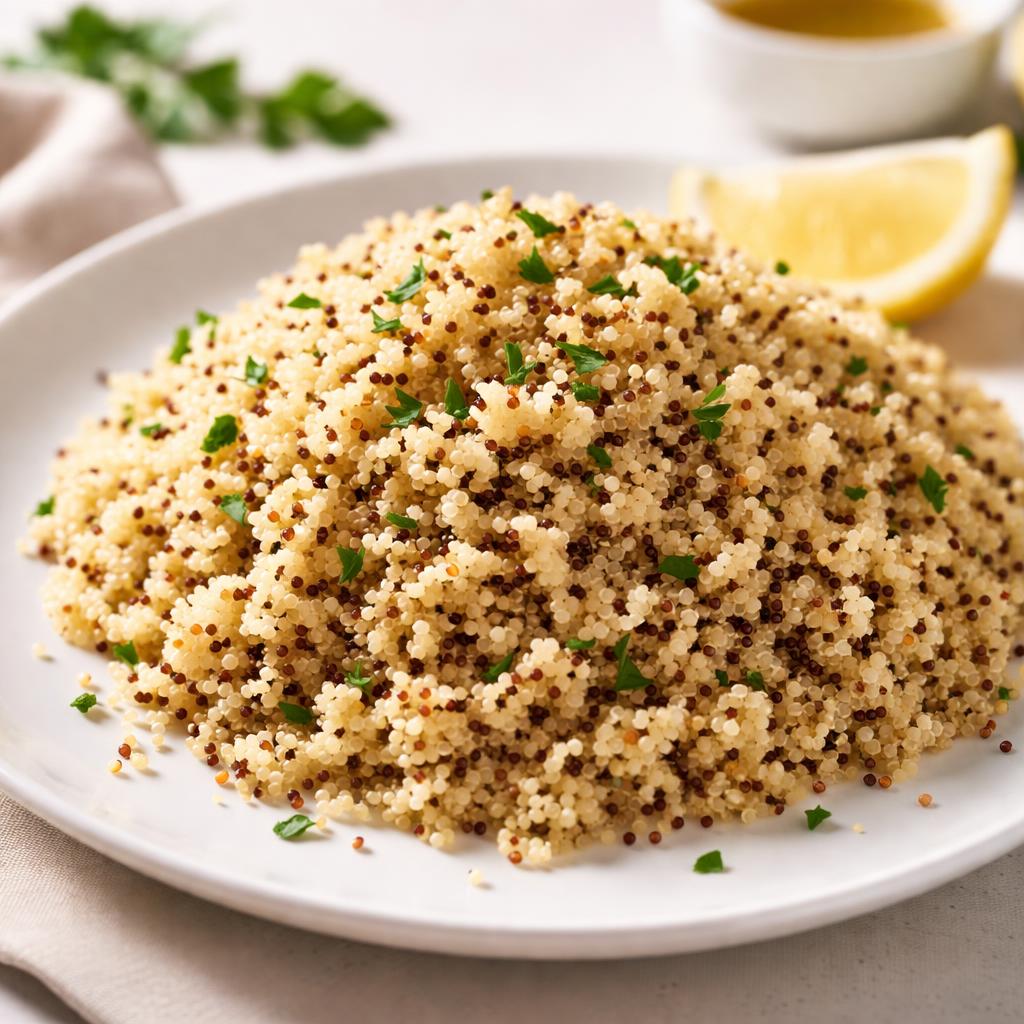
Cooked Quinoa
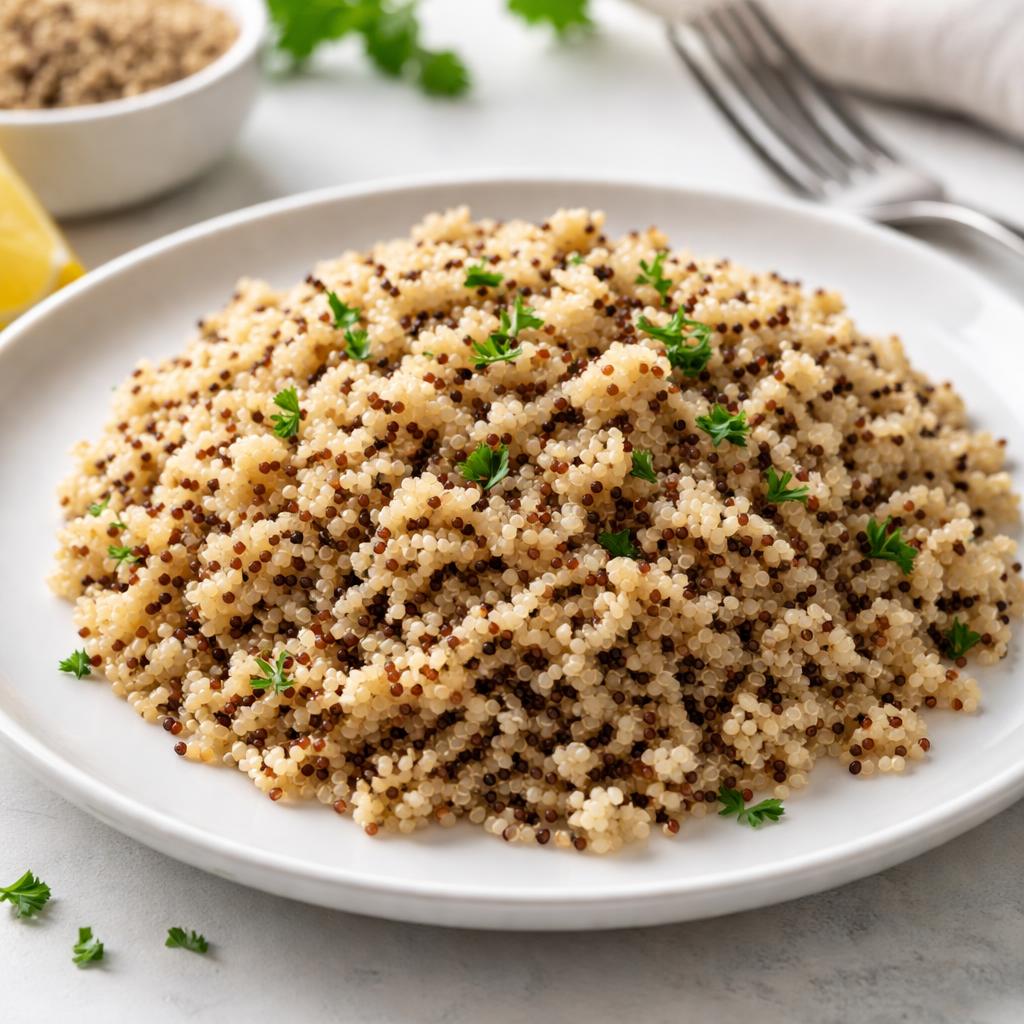
Brown Rice And Quinoa
🎯 Quick Verdict
Cooked quinoa is nutritionally denser, offering more protein, vitamins, and fewer calories per serving, making it ideal for nutrient-focused diets. Brown rice and quinoa blend provides slightly more fiber but has higher calories, making it suitable for sustained energy and satiety. Both are versatile but cater to different nutritional priorities.

Smart Nutrition Tracking with SnapCalorie

📊 Nutritional Comparison
Macronutrients
| Nutrient | Food 1 | Food 2 | Winner |
|---|---|---|---|
| Calories | 120 | 160 | ✓ |
| Protein | 4.1g | 3.5g | ✓ |
| Carbs | 21.3g | 30g | ✓ |
| Fat | 1.9g | 2.2g | ✓ |
| Fiber | 2.8g | 3g | ✓ |
Vitamins & Minerals
| Nutrient | Food 1 | Food 2 | Winner |
|---|---|---|---|
| Vitamin B6 | 0.12mg | 0.09mg | ✓ |
| Magnesium | 64mg | 58mg | ✓ |
| Zinc | 1.1mg | 0.9mg | ✓ |
🏆 Category Winners
Protein
Cooked quinoa provides approximately 17% more protein per serving.
Fiber
The brown rice and quinoa blend has 7% more fiber, aiding digestion.
Calories
Quinoa has 25% fewer calories per serving, ideal for weight management.
🥗 Diet Compatibility
Keto
Food 1: Not Compatible
Food 2: Not Compatible
Both have high carbohydrate contents.
Vegan
Food 1: Compatible
Food 2: Compatible
Both are plant-based foods.
Gluten Free
Food 1: Compatible
Food 2: Compatible
Neither contains gluten.
Paleo
Food 1: Compatible
Food 2: Not Compatible
Cooked quinoa qualifies as paleo-friendly depending on dietary perspectives.
Low-Carb
Food 1: Not Compatible
Food 2: Not Compatible
Both are higher in carbs and not suited for low-carb diets.
💪 Health Benefits Comparison
Food 1 Benefits
- Excellent plant-based protein source to support muscle repair.
- Rich in magnesium for bone health and energy production.
- Contains antioxidants to reduce inflammation and support overall health.
- Good source of fiber for digestion and maintaining gut health.
Food 2 Benefits
- Higher fiber content to enhance digestive health.
- Provides sustained energy from complex carbohydrates.
- Contains a blend of nutrients from both rice and quinoa.
- Source of essential minerals like iron and zinc for better immunity.
✅ The Bottom Line
Cooked quinoa is overall a better choice for nutrient density, weight management, and protein intake. Brown rice and quinoa blend is preferred for higher fiber and sustained energy needs. Choose quinoa if you prioritize micronutrients and calorie control; go with the blend for satiety and digestion benefits.
Choose Food 1 for: Weight loss, protein boost, nutrient-rich meals.
Choose Food 2 for: Sustained energy, fiber-rich diets, hearty meals.


