Cooked Pasta VS Penne Pasta
A detailed nutritional comparison
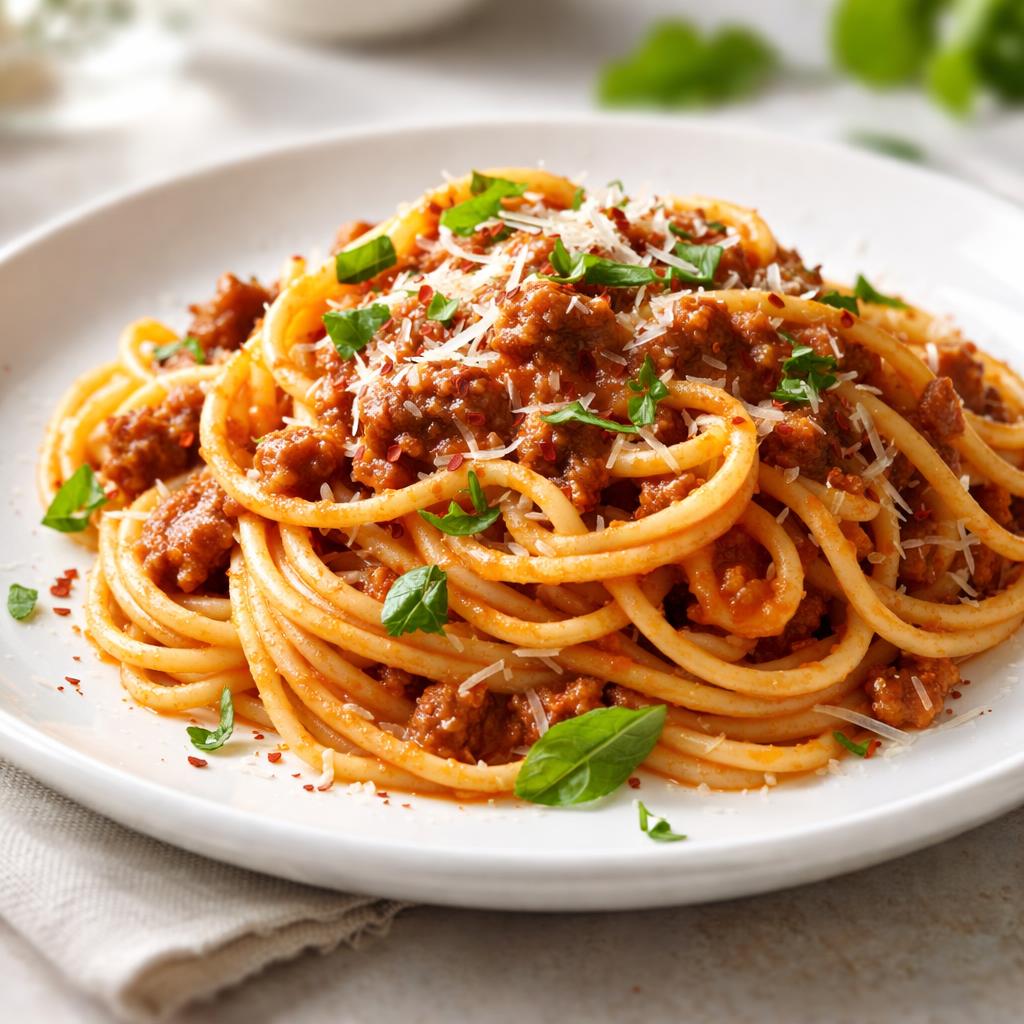
Cooked Pasta
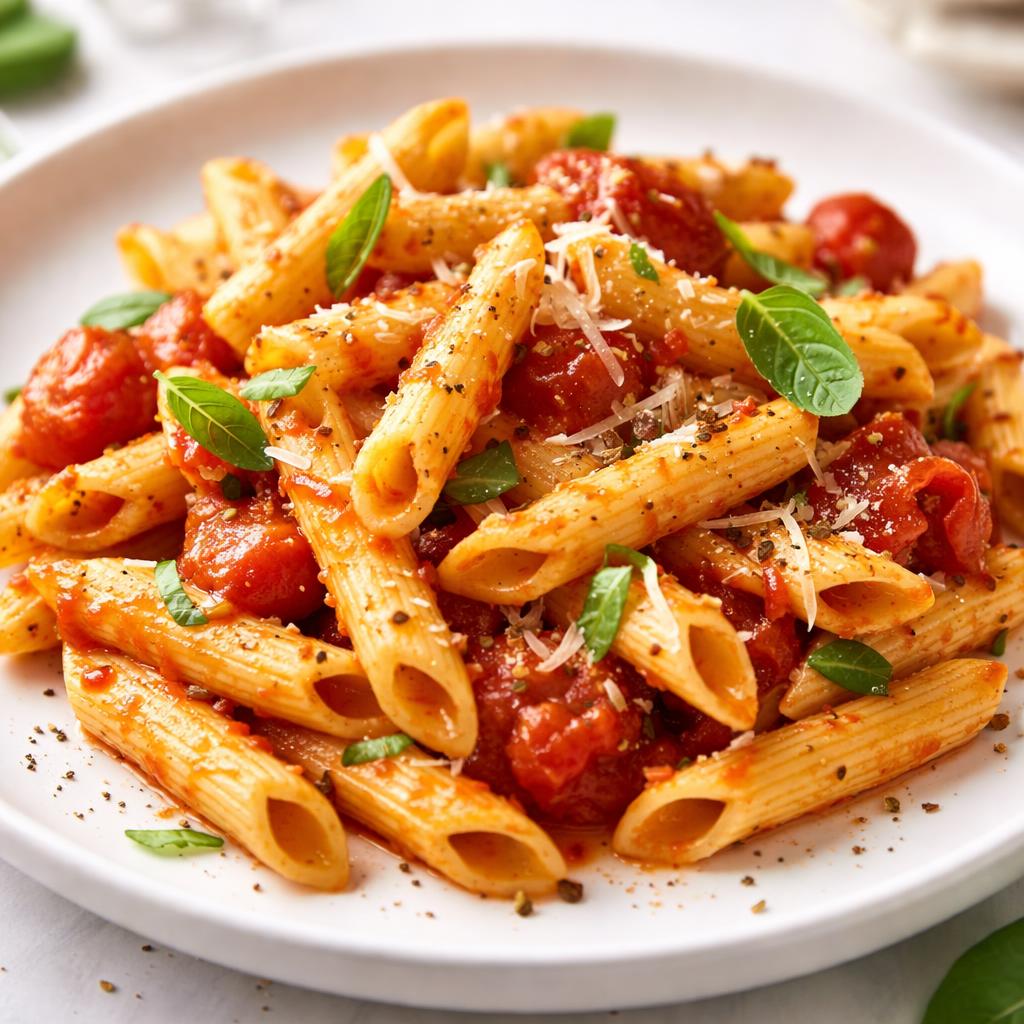
Penne Pasta
🎯 Quick Verdict
Cooked pasta and penne pasta are nutritionally very similar as they are fundamentally the same food in different shapes. Both contain similar amounts of calories, protein, fiber, and carbs, with no major nutritional differences. Choosing between them largely depends on personal preference or intended recipes, as they function identically in diets overall.

Smart Nutrition Tracking with SnapCalorie

📊 Nutritional Comparison
Macronutrients
| Nutrient | Food 1 | Food 2 | Winner |
|---|---|---|---|
| Calories | 157 | 157 | − |
| Protein | 5.8g | 5.8g | − |
| Carbs | 30.9g | 30.9g | − |
| Fat | 0.9g | 0.9g | − |
| Fiber | 1.8g | 1.8g | − |
Vitamins & Minerals
| Nutrient | Food 1 | Food 2 | Winner |
|---|---|---|---|
| Vitamin B1 (Thiamin) | 0.2mg | 0.2mg | − |
| Folate | 60mcg | 60mcg | − |
| Iron | 0.6mg | 0.6mg | − |
🏆 Category Winners
Protein
Both have identical protein content at 5.8g per serving.
Fiber
Both offer equal fiber content (1.8g per serving).
Calories
Both contain 157 calories per 1-cup serving.
🥗 Diet Compatibility
Keto
Food 1: Not Compatible
Food 2: Not Compatible
Both are high in carbohydrates and unsuitable for keto diets.
Vegan
Food 1: Compatible
Food 2: Compatible
Both contain no animal products.
Gluten Free
Food 1: Not Compatible
Food 2: Not Compatible
Both are made from wheat and contain gluten.
Paleo
Food 1: Not Compatible
Food 2: Not Compatible
Pasta is a processed food and not paleo-compliant.
Low-Carb
Food 1: Not Compatible
Food 2: Not Compatible
Both are high in carbohydrates (>30g per serving).
💪 Health Benefits Comparison
Food 1 Benefits
- Provides sustained energy due to complex carbohydrates
- Rich in folate for cellular health
- Low-fat option for heart health-conscious diets
Food 2 Benefits
- Source of iron for healthy blood production
- Contains thiamin for metabolic support
- Easy to digest and versatile in recipes
✅ The Bottom Line
Cooked pasta and penne pasta are virtually identical nutritionally, with no major differences in calories, protein, fiber, carbs, or vitamins. Choose either based on recipe requirements or shape preference.
Choose Food 1 for: General energy needs, quick and versatile meals
Choose Food 2 for: Comfort food recipes, easy-to-track portion sizes


