Cooked Pasta VS Pasta Sauce
A detailed nutritional comparison
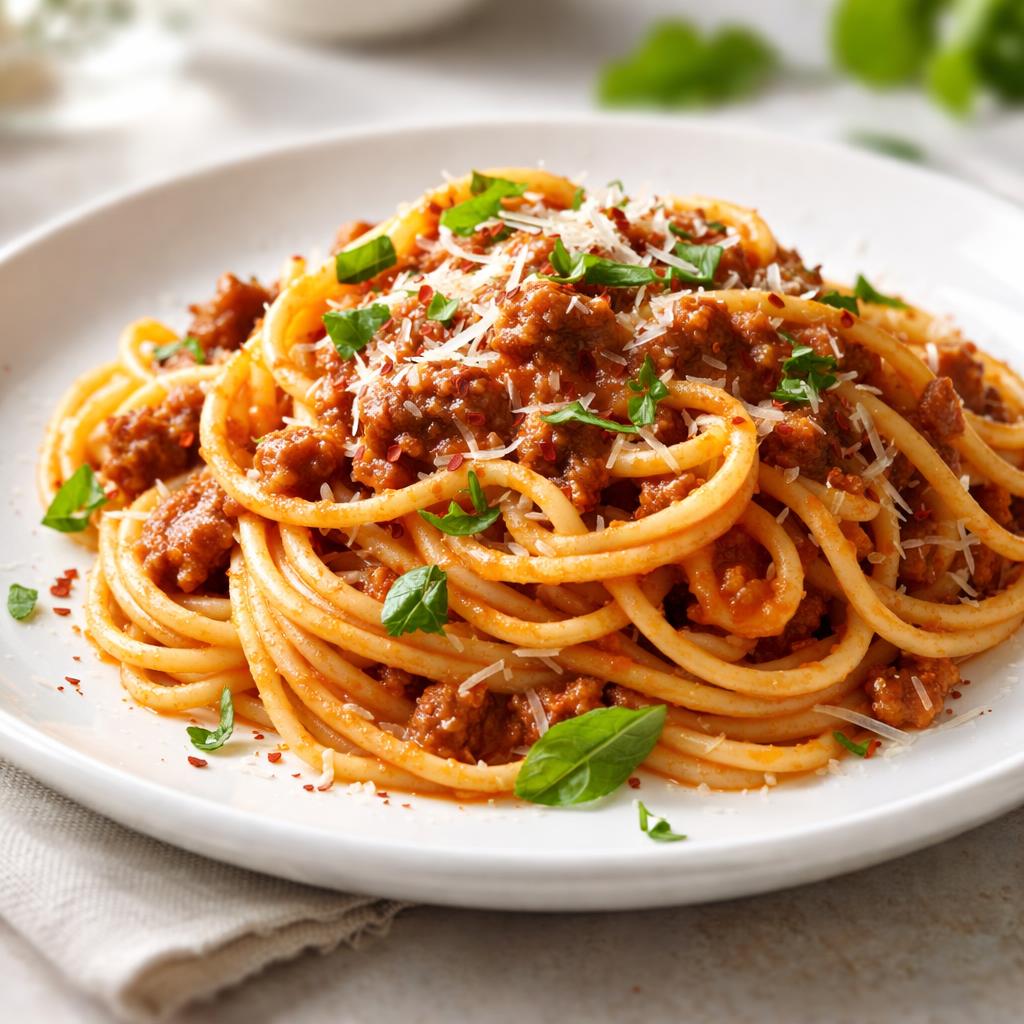
Cooked Pasta
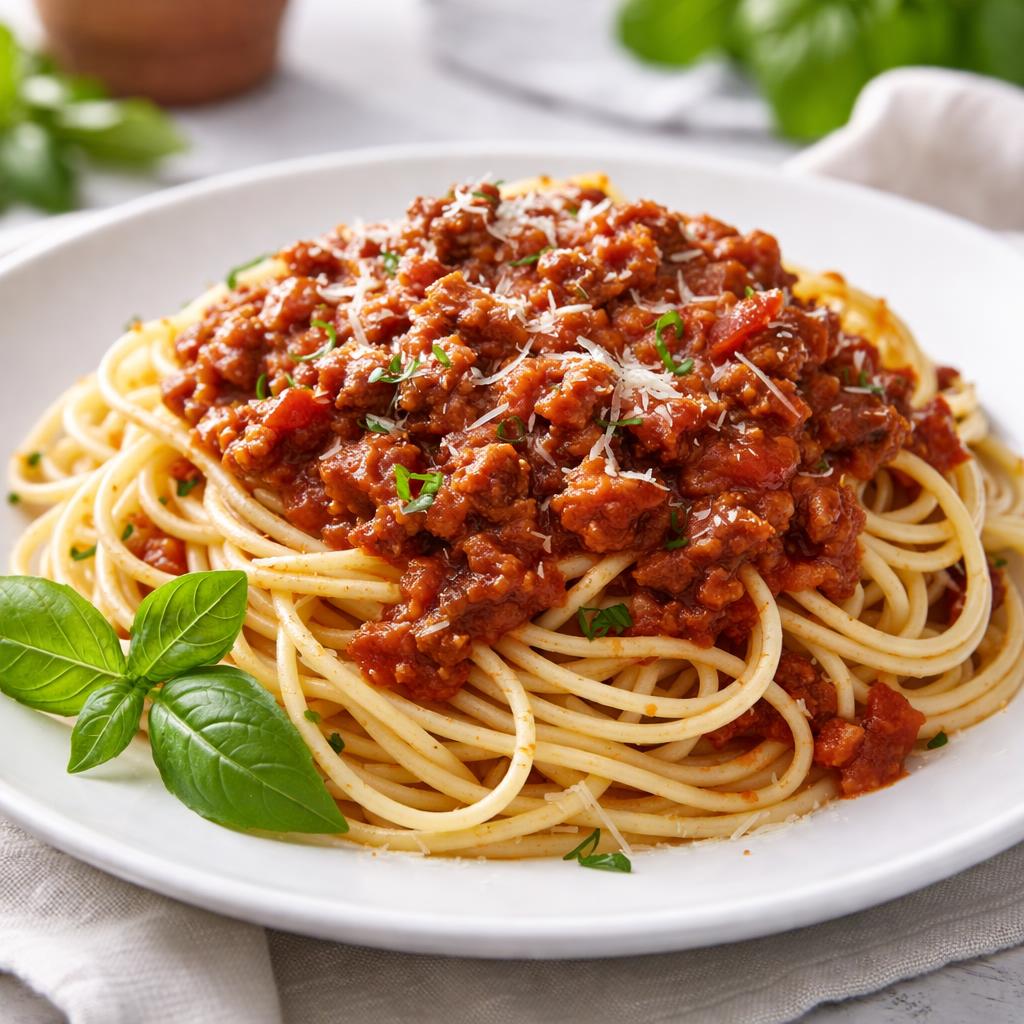
Pasta Sauce
🎯 Quick Verdict
Cooked pasta is a carbohydrate-rich staple offering more protein per serving, while pasta sauce is lower in calories and supplies more fiber and antioxidants. Pasta works well for energy and focus during physical activities, whereas the sauce is a flavorful and nutrient-dense addition supporting improved digestion and heart health.

Smart Nutrition Tracking with SnapCalorie

📊 Nutritional Comparison
Macronutrients
| Nutrient | Food 1 | Food 2 | Winner |
|---|---|---|---|
| Calories | 170 | 70 | ✓ |
| Protein | 6g | 2g | ✓ |
| Carbs | 33g | 10g | ✓ |
| Fat | 0.8g | 3g | ✓ |
| Fiber | 2g | 4g | ✓ |
Vitamins & Minerals
| Nutrient | Food 1 | Food 2 | Winner |
|---|---|---|---|
| Vitamin C | 0mg | 10mg | ✓ |
| Vitamin A | 0mcg | 400mcg | ✓ |
| Potassium | 60mg | 300mg | ✓ |
🏆 Category Winners
Protein
Cooked pasta provides 3 times more protein than pasta sauce.
Fiber
Pasta sauce contains double the fiber compared to pasta.
Calories
Pasta sauce has significantly fewer calories per serving.
Vitamins
Pasta sauce is loaded with antioxidants and vitamins like A, C, and potassium.
🥗 Diet Compatibility
Keto
Food 1: Not Compatible
Food 2: Partially Compatible
Pasta is high-carb, while sauce is lower carb but not keto-friendly due to sugar content.
Vegan
Food 1: Compatible
Food 2: Compatible
Both foods are plant-based.
Gluten Free
Food 1: Not Compatible
Food 2: Compatible
Pasta contains gluten unless made from alternative grains.
Paleo
Food 1: Not Compatible
Food 2: Compatible
Pasta does not fit paleo guidelines; most sauces are paleo-friendly if sugar-free.
Low-Carb
Food 1: Not Compatible
Food 2: Partially Compatible
Pasta is high-carb; sauce has lower carbs but contains natural sugars.
💪 Health Benefits Comparison
Food 1 Benefits
- Provides sustained energy due to complex carbohydrates
- Low in fat, suitable for weight maintenance
- Contains some protein for muscle support
Food 2 Benefits
- Rich in antioxidants from tomatoes that support cellular health
- High in fiber for better digestion and gut health
- Vitamin A and C boost immunity and support vision
✅ The Bottom Line
Choose cooked pasta for carbohydrate-based energy, ideal for active individuals or post-workout. Pick pasta sauce when looking for nutrient density with antioxidants and fiber, especially for flavorful meals with fewer calories.
Choose Food 1 for: Energy needs, physical performance, high-carb meals
Choose Food 2 for: Low-calorie diets, nutrient-rich meal pairing, digestive health


