Chicken VS Wild Rice
A detailed nutritional comparison
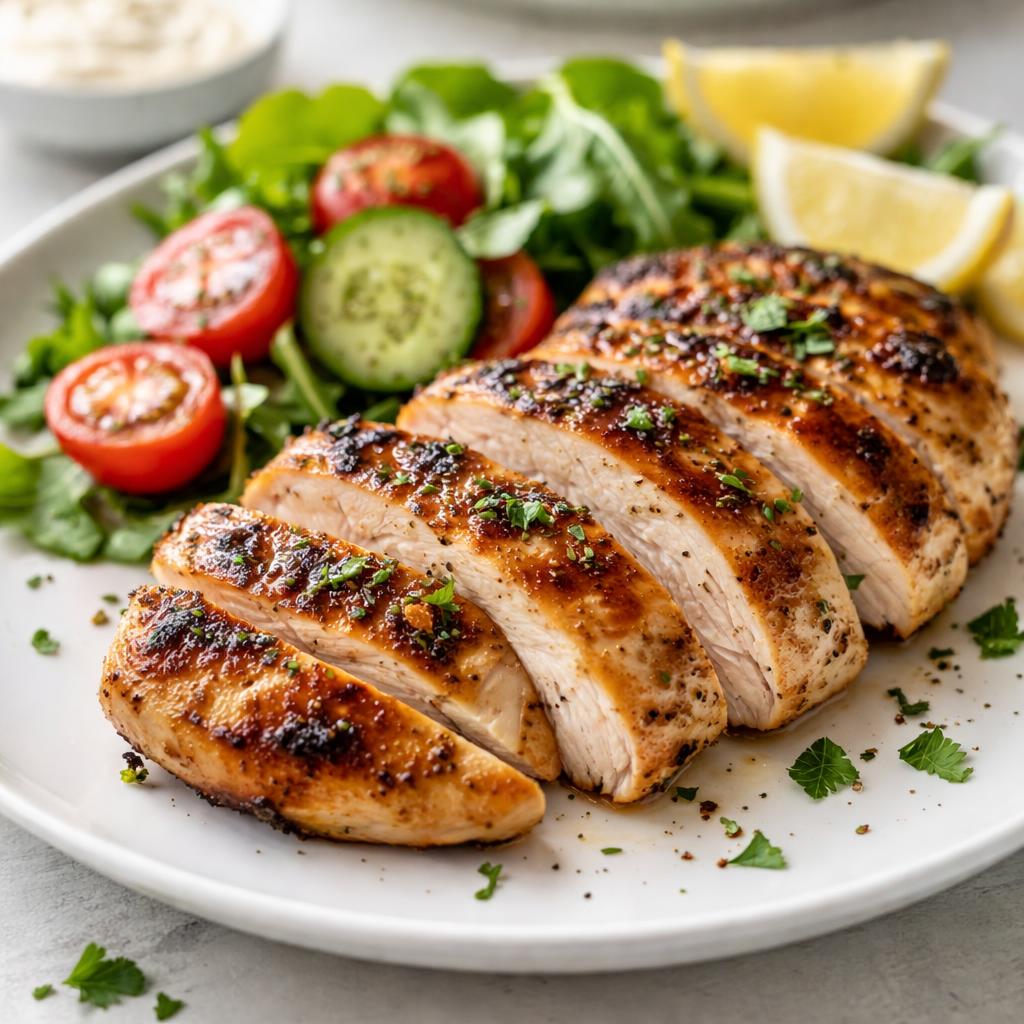
Chicken
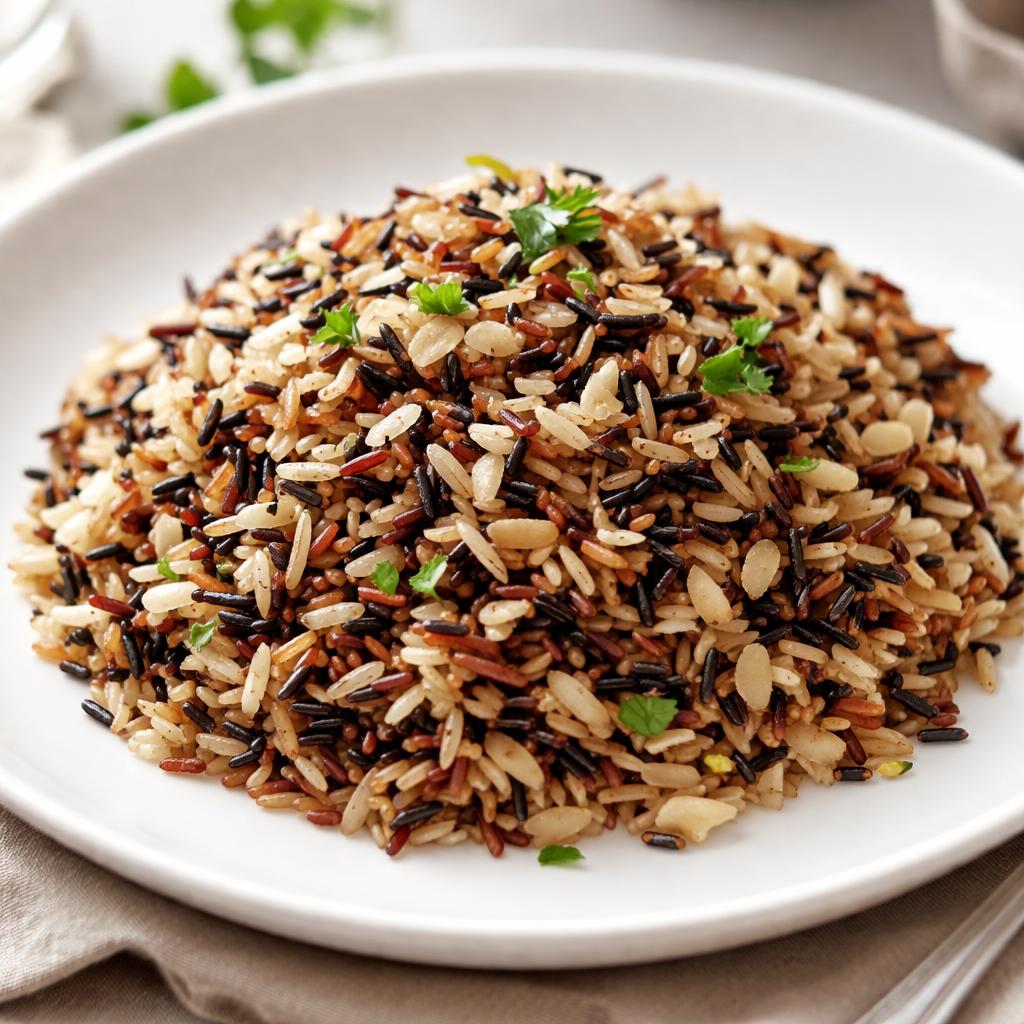
Wild Rice
🎯 Quick Verdict
Chicken and wild rice serve distinct purposes in a diet. Chicken is a protein powerhouse with fewer calories and little to no carbs. On the other hand, wild rice is rich in fiber and provides sustained energy through complex carbohydrates, making it ideal as a side dish or carb source. Pairing these foods creates a balanced meal with complementary nutrients.

Smart Nutrition Tracking with SnapCalorie

📊 Nutritional Comparison
Macronutrients
| Nutrient | Food 1 | Food 2 | Winner |
|---|---|---|---|
| Calories | 165 | 166 | ✓ |
| Protein | 31g | 6.5g | ✓ |
| Carbs | 0g | 35g | ✓ |
| Fat | 3.6g | 0.6g | ✓ |
| Fiber | 0g | 3g | ✓ |
Vitamins & Minerals
| Nutrient | Food 1 | Food 2 | Winner |
|---|---|---|---|
| Vitamin D | 0mcg | 0mcg | − |
| Vitamin B6 | 0.6mg | 0.1mg | ✓ |
| Magnesium | 24mg | 52mg | ✓ |
| Iron | 1mg | 1mg | − |
🏆 Category Winners
Protein
Chicken provides nearly five times more protein than wild rice per serving.
Fiber
Wild rice contains 3g of fiber compared to chicken's zero.
Calories
Chicken has slightly fewer calories per serving than wild rice.
🥗 Diet Compatibility
Keto
Food 1: Compatible
Food 2: Not Compatible
Chicken is carb-free, while wild rice is high in carbohydrates.
Vegan
Food 1: Not Compatible
Food 2: Compatible
Chicken is animal-based, wild rice is plant-based.
Gluten Free
Food 1: Compatible
Food 2: Compatible
Neither contains gluten.
Paleo
Food 1: Compatible
Food 2: Compatible
Both foods fit into a paleo diet, assuming wild rice is eaten as an 'ancestral grain.'
Low Carb
Food 1: Compatible
Food 2: Not Compatible
Chicken is carb-free, while wild rice contains 35g of carbs per serving.
💪 Health Benefits Comparison
Food 1 Benefits
- Excellent source of lean protein for muscle growth and repair
- Low in calories, making it ideal for weight management
- Contains Vitamin B6 for brain and immune support
Food 2 Benefits
- Rich in fiber to support digestion and gut health
- High in magnesium for bone and heart health
- Provides sustained energy through complex carbohydrates
✅ The Bottom Line
Both chicken and wild rice are nutrient-rich and serve different dietary purposes. Choose chicken for a high-protein, low-carb option, ideal for weight loss, muscle repair, or keto-friendly meals. Opt for wild rice for a balanced carb source, fiber, and energy, great for vegan diets or active lifestyles.
Choose Food 1 for: Weight loss, high-protein diets, keto, muscle building
Choose Food 2 for: Energy, vegan diets, digestion support, balanced meals


