Chicken VS Stir-Fried Vegetables
A detailed nutritional comparison
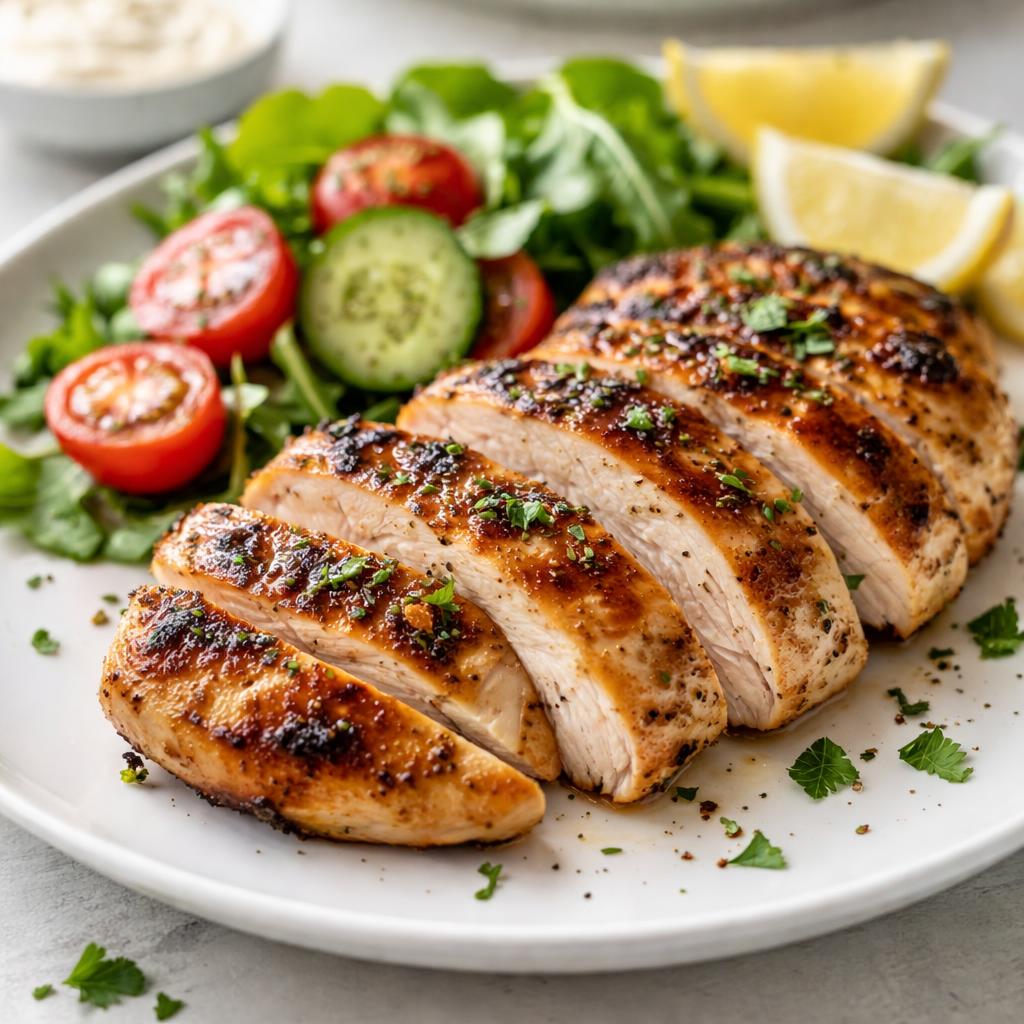
Chicken
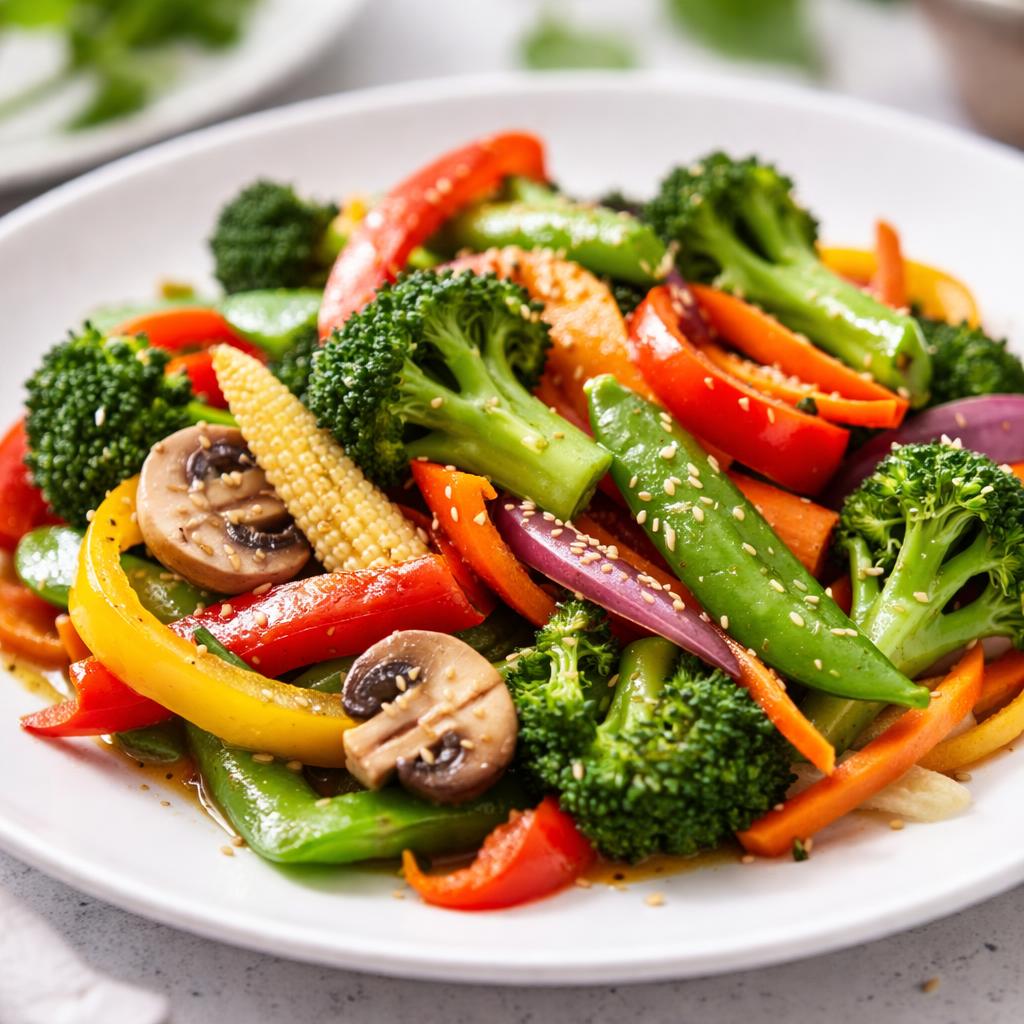
Stir-Fried Vegetables
🎯 Quick Verdict
Chicken is an excellent source of lean protein with fewer calories and minimal carbs, making it ideal for muscle building and weight management. Stir-fried vegetables offer a variety of vitamins, minerals, and high fiber content, which makes them great for digestion and overall nutrient density. Choosing between these depends on individual dietary needs and goals.

Smart Nutrition Tracking with SnapCalorie

📊 Nutritional Comparison
Macronutrients
| Nutrient | Food 1 | Food 2 | Winner |
|---|---|---|---|
| Calories | 165 | 80 | ✓ |
| Protein | 31g | 3g | ✓ |
| Carbs | 0g | 12g | ✓ |
| Fat | 3.6g | 3g | − |
| Fiber | 0g | 4g | ✓ |
Vitamins & Minerals
| Nutrient | Food 1 | Food 2 | Winner |
|---|---|---|---|
| Vitamin C | 0mg | 20mg | ✓ |
| Vitamin A | 20IU | 950IU | ✓ |
| Iron | 1mg | 2mg | ✓ |
🏆 Category Winners
Protein
Chicken delivers 31g of protein per serving, far exceeding stir-fried vegetables.
Fiber
Stir-fried vegetables provide 4g of fiber, which is beneficial for digestion.
Calories
Stir-fried vegetables contain only 80 calories per serving, fewer than chicken.
Vitamins
Vegetables are richer in key vitamins such as Vitamin C and Vitamin A.
🥗 Diet Compatibility
Keto
Food 1: Compatible
Food 2: Compatible
Both are low-carb options.
Vegan
Food 1: Not Compatible
Food 2: Compatible
Chicken is animal-based, while vegetables are plant-based.
Gluten Free
Food 1: Compatible
Food 2: Compatible
Neither contains gluten.
Paleo
Food 1: Compatible
Food 2: Compatible
Both align with paleo diet principles.
Low Carb
Food 1: Compatible
Food 2: Compatible
Both foods are low in carbohydrates.
💪 Health Benefits Comparison
Food 1 Benefits
- High in lean protein for muscle growth and repair
- Low in calories for weight management
- Naturally low in carbs, great for keto diets
Food 2 Benefits
- Rich in vitamins like Vitamin C and A for immune support
- High fiber content promotes better digestion
- Contains antioxidants that protect cells from damage
✅ The Bottom Line
Chicken is the better choice for those focusing on protein intake, weight loss, or muscle repair, while stir-fried vegetables shine as a nutrient-dense, low-calorie food that boosts fiber and vitamins. Use them together for a balanced meal or separately according to your goals.
Choose Food 1 for: Muscle building, weight loss, keto or paleo diets
Choose Food 2 for: Digestive health, overall nutrition, vegan or plant-based diets


