Chicken VS Sliced Avocado
A detailed nutritional comparison
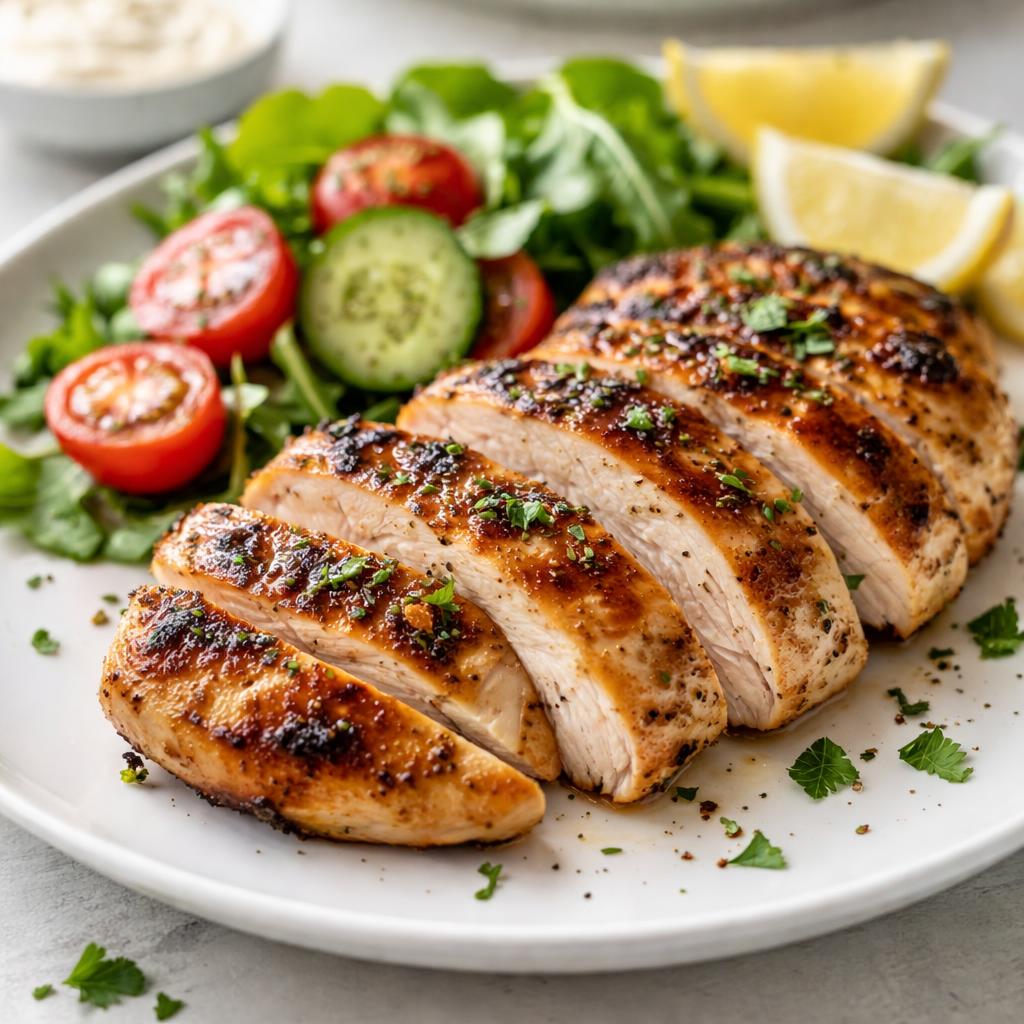
Chicken
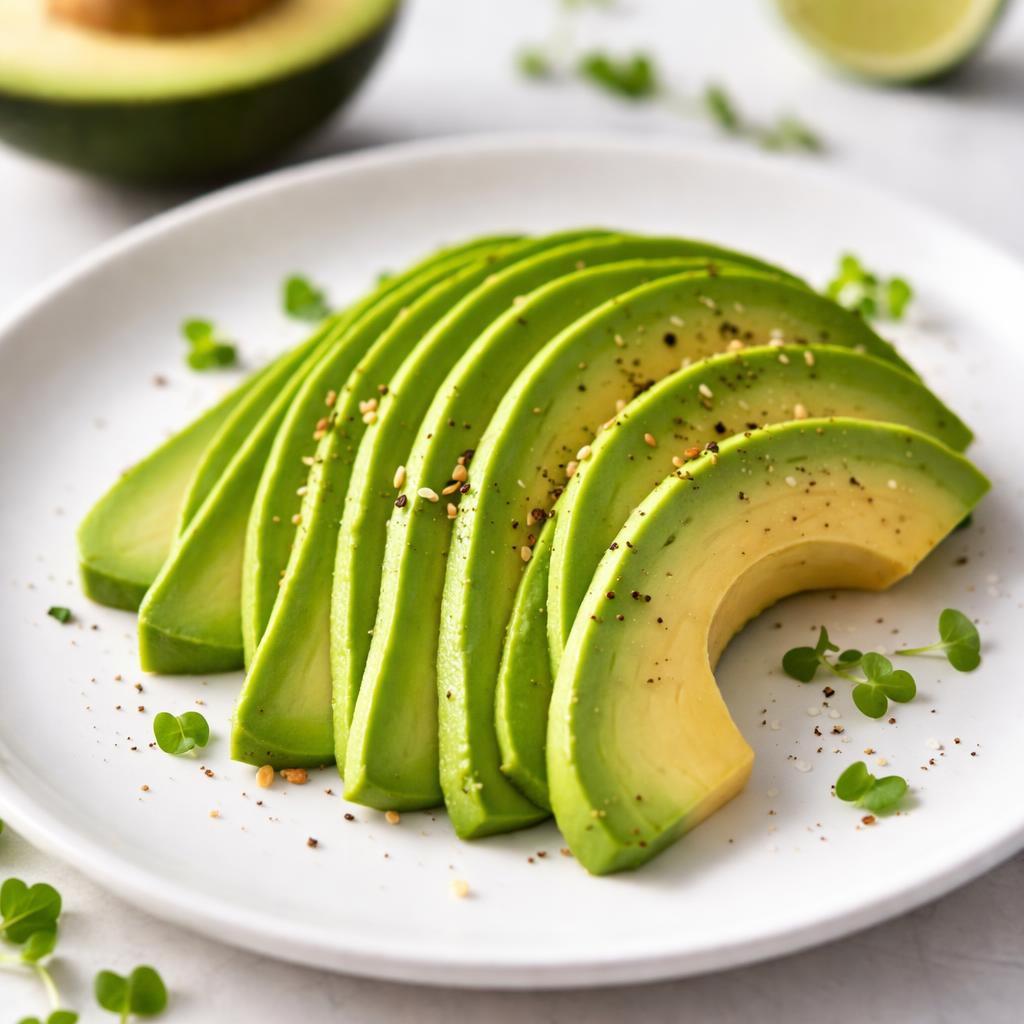
Sliced Avocado
🎯 Quick Verdict
Chicken and sliced avocado offer distinct nutritional benefits. Chicken excels as a lean protein source, ideal for muscle maintenance and weight loss. Avocado shines for its fiber, healthy fats, and vitamin content, making it great for heart health and energy. Choose based on dietary goals: protein vs nutrient density and healthy fats.

Smart Nutrition Tracking with SnapCalorie

📊 Nutritional Comparison
Macronutrients
| Nutrient | Food 1 | Food 2 | Winner |
|---|---|---|---|
| Calories | 165 kcal (100g, cooked breast) | 160 kcal (100g) | − |
| Protein | 31g | 2g | ✓ |
| Carbs | 0g | 8.5g | ✓ |
| Fat | 3.6g | 14.7g | ✓ |
| Fiber | 0g | 6.7g | ✓ |
Vitamins & Minerals
| Nutrient | Food 1 | Food 2 | Winner |
|---|---|---|---|
| Vitamin D | 1mcg | 0mcg | ✓ |
| Vitamin C | 0mg | 10mg | ✓ |
| Iron | 0.9mg | 0.55mg | ✓ |
| Potassium | 256mg | 485mg | ✓ |
| Vitamin B6 | 0.5mg | 0.3mg | ✓ |
🏆 Category Winners
Protein
Chicken delivers over 15 times more protein, with 31g per 100g.
Fiber
Avocado provides fiber at 6.7g per 100g, while chicken has none.
Calories
Both are similarly calorie-dense, around 160-165 kcal per 100g.
Vitamins
Avocado is richer in vitamins like C and potassium, boosting overall nutrient density.
🥗 Diet Compatibility
Keto
Food 1: Compatible
Food 2: Compatible
Both are low-carb and high-fat/protein.
Vegan
Food 1: Not Compatible
Food 2: Compatible
Avocado meets vegan standards, while chicken does not.
Gluten Free
Food 1: Compatible
Food 2: Compatible
Neither contains gluten, suitable for gluten-free diets.
Paleo
Food 1: Compatible
Food 2: Compatible
Both align with the paleo diet's focus on whole, unprocessed foods.
Low-Carb
Food 1: Compatible
Food 2: Compatible
Both contribute minimal carbs, making them suitable for low-carb diets.
💪 Health Benefits Comparison
Food 1 Benefits
- Excellent source of lean protein for muscle repair and growth
- Low-fat, making it ideal for weight management
- Rich in Vitamin B6, supporting brain health and energy production
Food 2 Benefits
- Packed with heart-healthy monounsaturated fats
- Contains fiber to promote digestion and gut health
- High in Vitamin C and potassium for immune support and blood pressure regulation
✅ The Bottom Line
Both chicken and avocado are highly nutritious but serve different purposes. Choose chicken for a high-protein, low-fat meal ideal for muscle building and weight loss. Opt for avocado when aiming to increase fiber, healthy fats, and overall nutrient density, especially for heart health or energy balance.
Choose Food 1 for: High-protein diets, weight loss, post-workout recovery
Choose Food 2 for: Heart health, healthy fats, energy boost, nutrient density


