Chicken VS Seaweed
A detailed nutritional comparison
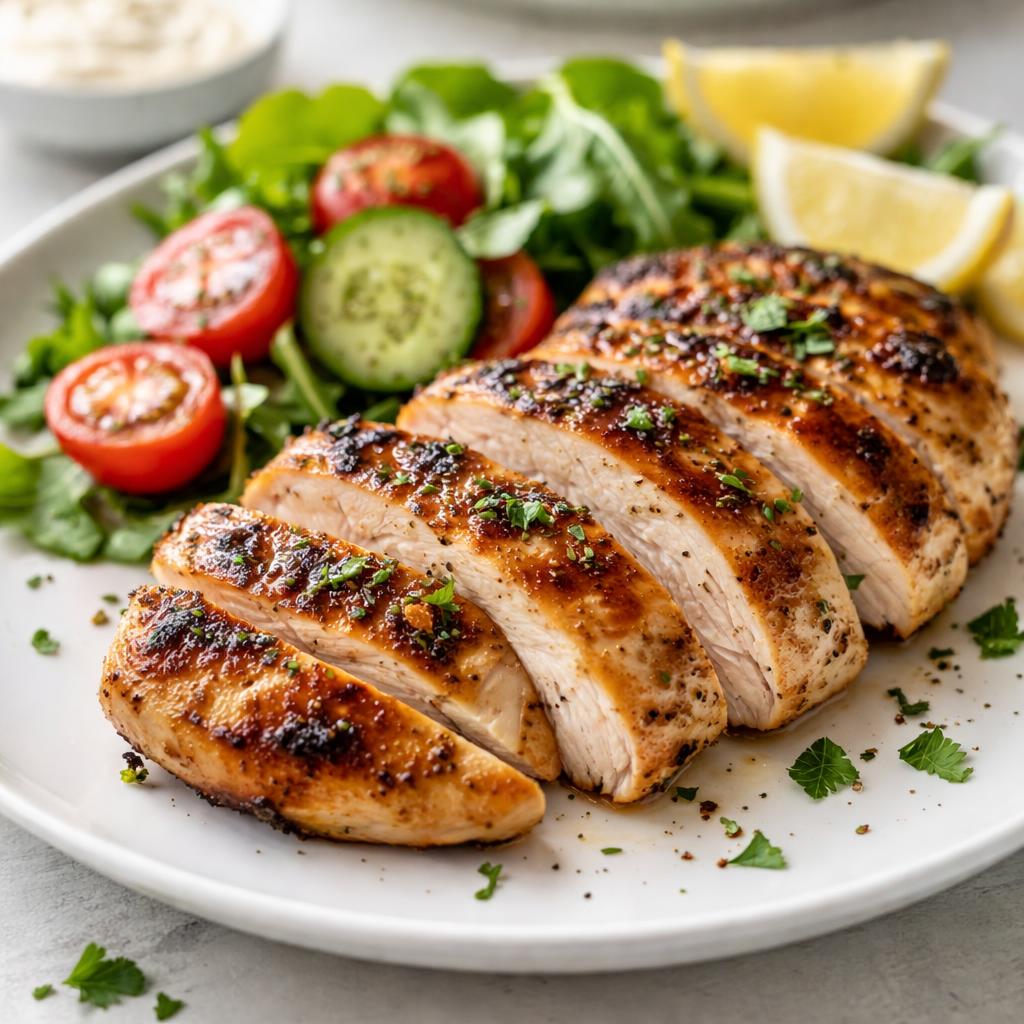
Chicken
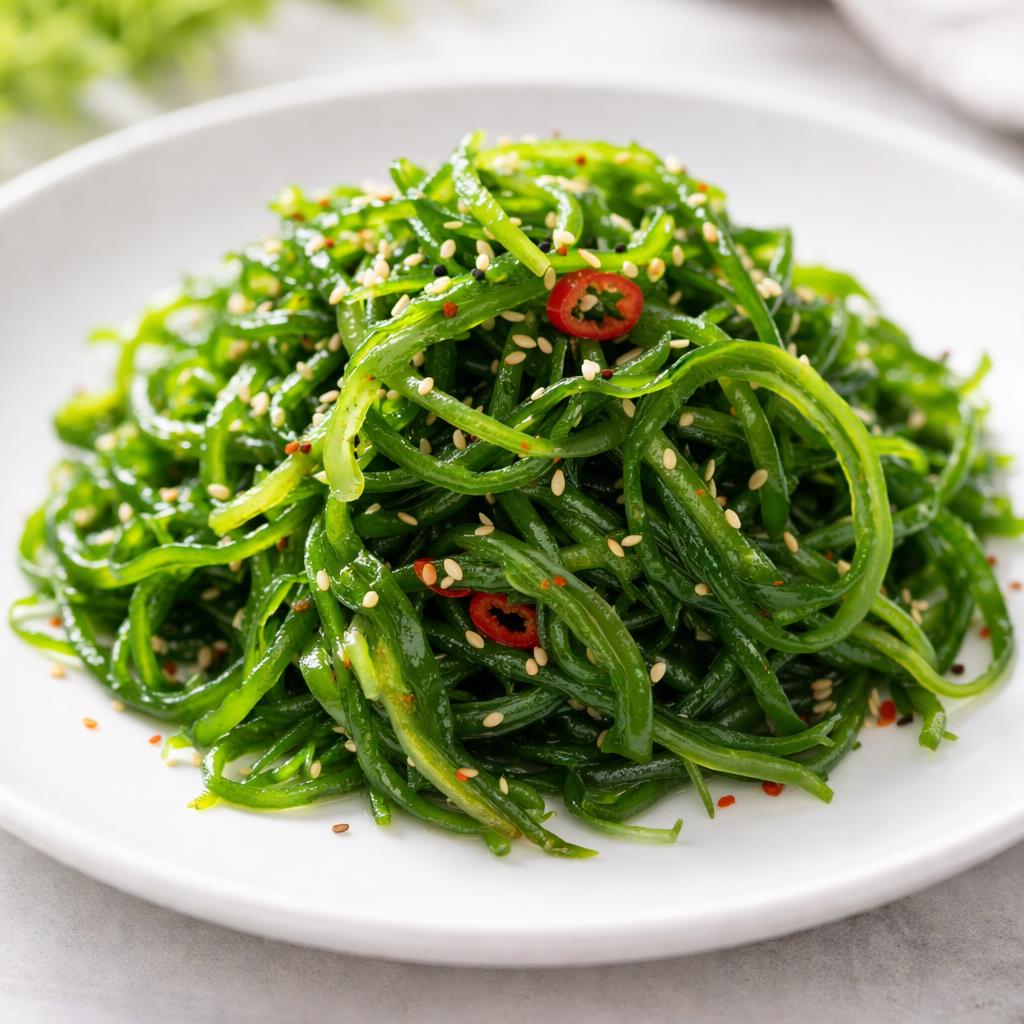
Seaweed
🎯 Quick Verdict
Chicken is a high-protein, low-carb food, making it ideal for muscle building and weight loss. Seaweed is low in calories, nutrient-dense, and rich in fiber and iodine, supporting digestion and thyroid health. Choose chicken for protein needs and seaweed for overall mineral-rich nutrition or as a low-calorie addition to meals.

Smart Nutrition Tracking with SnapCalorie

📊 Nutritional Comparison
Macronutrients
| Nutrient | Food 1 | Food 2 | Winner |
|---|---|---|---|
| Calories | 165 per 100g | 165 per 100g | − |
| Protein | 31g | 2g | − |
| Carbs | 0g | 9g | − |
| Fat | 3.6g | 1g | − |
| Fiber | 0g | 4g | − |
Vitamins & Minerals
| Nutrient | Food 1 | Food 2 | Winner |
|---|---|---|---|
| Vitamin D | 0.2mcg | 0mcg | − |
| Calcium | 15mg | 400mg | − |
| Iron | 1mg | 2.8mg | − |
| Iodine | 0mcg | 116mcg | − |
🏆 Category Winners
Protein
Chicken has significantly higher protein content (31g vs 2g per serving).
Fiber
Seaweed provides 4g of fiber compared to 0g in chicken.
Calories
Both chicken and seaweed are similarly calorie-light, offering around 165 calories per serving.
Vitamins
Seaweed excels in providing calcium, iron, and iodine for optimal nutrient density.
🥗 Diet Compatibility
Keto
Food 1: Compatible
Food 2: Compatible
Both foods are low-carb and fit the keto dietary approach.
Vegan
Food 1: Not Compatible
Food 2: Compatible
Seaweed is plant-based; chicken is animal-derived.
Gluten Free
Food 1: Compatible
Food 2: Compatible
Neither food contains gluten.
Paleo
Food 1: Compatible
Food 2: Compatible
Both are unprocessed and align with a paleo approach.
Low-Carb
Food 1: Compatible
Food 2: Compatible
Both foods are low-carb; chicken offers zero carbs, seaweed is minimally carb-heavy.
💪 Health Benefits Comparison
Food 1 Benefits
- Excellent source of lean protein for muscle repair and development
- Low-carb and low-fat, supporting weight management
- Contains B-vitamins for energy production
Food 2 Benefits
- Rich in iodine for thyroid health
- High in calcium and iron for bone and blood health
- Contains antioxidants for combating free radicals
✅ The Bottom Line
Choose chicken for a high-protein, low-carb meal that supports muscle gain and weight loss. Opt for seaweed as a nutrient-dense, low-calorie option rich in iodine and minerals, ideal for digestion and thyroid health.
Choose Food 1 for: Muscle building, weight loss, post-workout recovery
Choose Food 2 for: Thyroid health, mineral replenishment, enhanced digestion


