Chicken VS Red Onions
A detailed nutritional comparison
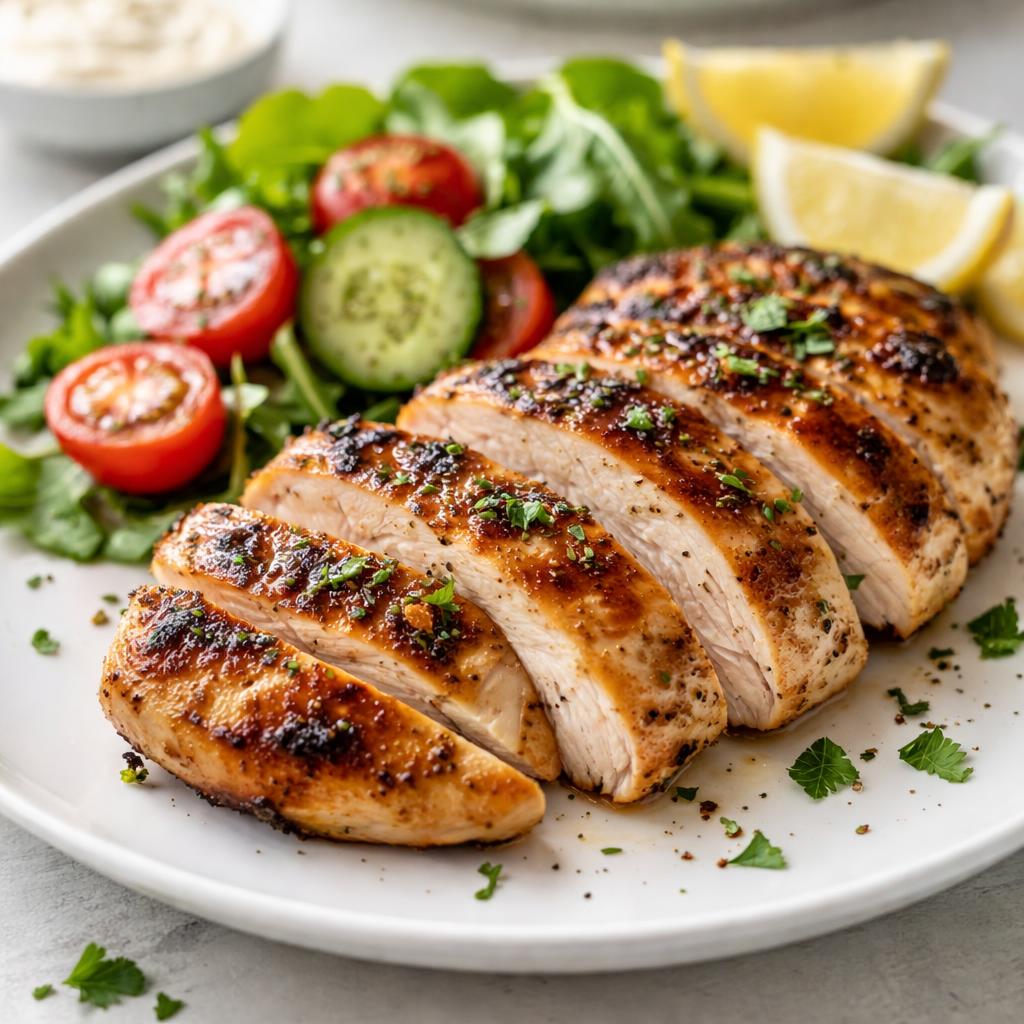
Chicken
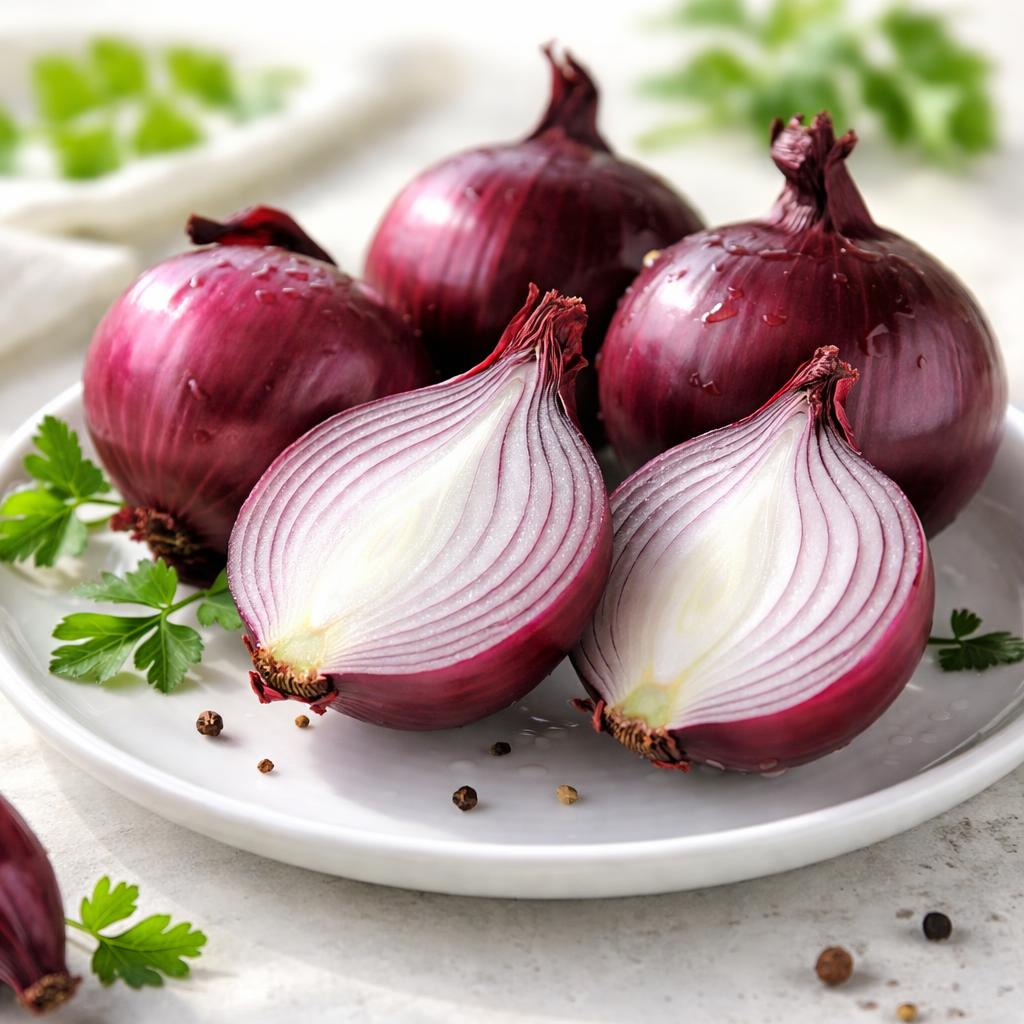
Red Onions
🎯 Quick Verdict
Chicken and red onions serve very different nutritional purposes. Chicken is an excellent source of complete protein with minimal carbs, making it ideal for muscle building and weight loss diets. Red onions are low in calories but rich in fiber, antioxidants, and vitamins, perfect for heart health and overall wellness. Both have distinct roles depending on dietary needs.

Smart Nutrition Tracking with SnapCalorie

📊 Nutritional Comparison
Macronutrients
| Nutrient | Food 1 | Food 2 | Winner |
|---|---|---|---|
| Calories | 165 (per 100g) | 40 (per 100g) | ✓ |
| Protein | 31g | 1g | ✓ |
| Carbs | 0g | 9g | ✓ |
| Fat | 3.6g | 0.1g | ✓ |
| Fiber | 0g | 1.5g | ✓ |
Vitamins & Minerals
| Nutrient | Food 1 | Food 2 | Winner |
|---|---|---|---|
| Vitamin C | 0mg | 7mg | ✓ |
| Vitamin B6 | 0.6mg | 0.12mg | ✓ |
| Potassium | 256mg | 146mg | ✓ |
🏆 Category Winners
Protein
Chicken has 31g of protein per 100g compared to only 1g in red onions.
Fiber
Red onions offer 1.5g of fiber per 100g, while chicken has none.
Calories
Red onions have 75% fewer calories per 100g compared to chicken.
Vitamins
Red onions provide higher levels of vitamin C and antioxidants compared to chicken.
🥗 Diet Compatibility
Keto
Food 1: Compatible
Food 2: Compatible
Neither food contains significant carbs, making both suitable for keto diets.
Vegan
Food 1: Not Compatible
Food 2: Compatible
Chicken is animal-based, while red onions are plant-based.
Gluten Free
Food 1: Compatible
Food 2: Compatible
Both foods are naturally gluten-free.
Paleo
Food 1: Compatible
Food 2: Compatible
Both foods align with paleo principles of unprocessed, whole foods.
Low Carb
Food 1: Compatible
Food 2: Moderately Compatible
Chicken is virtually carb-free, while red onions contain 9g of carbs per 100g.
💪 Health Benefits Comparison
Food 1 Benefits
- Rich source of complete protein for muscle growth and repair
- Low-fat option for heart-healthy diets
- High potassium content for electrolyte balance
Food 2 Benefits
- High in antioxidants for reducing inflammation
- Source of dietary fiber for digestive health
- Contains vitamin C for immune system support
- May help reduce cholesterol due to sulfides and flavonoids
✅ The Bottom Line
Choose chicken for high-protein diets, muscle-building, and weight management. Opt for red onions for added fiber, antioxidants, and low-calorie flavor boosts in meals. Both foods complement each other well depending on the dietary goal.
Choose Food 1 for: High-protein diets, post-workout recovery, muscle building
Choose Food 2 for: Heart health, digestive support, antioxidant-rich diets


