Chicken VS Ranch
A detailed nutritional comparison
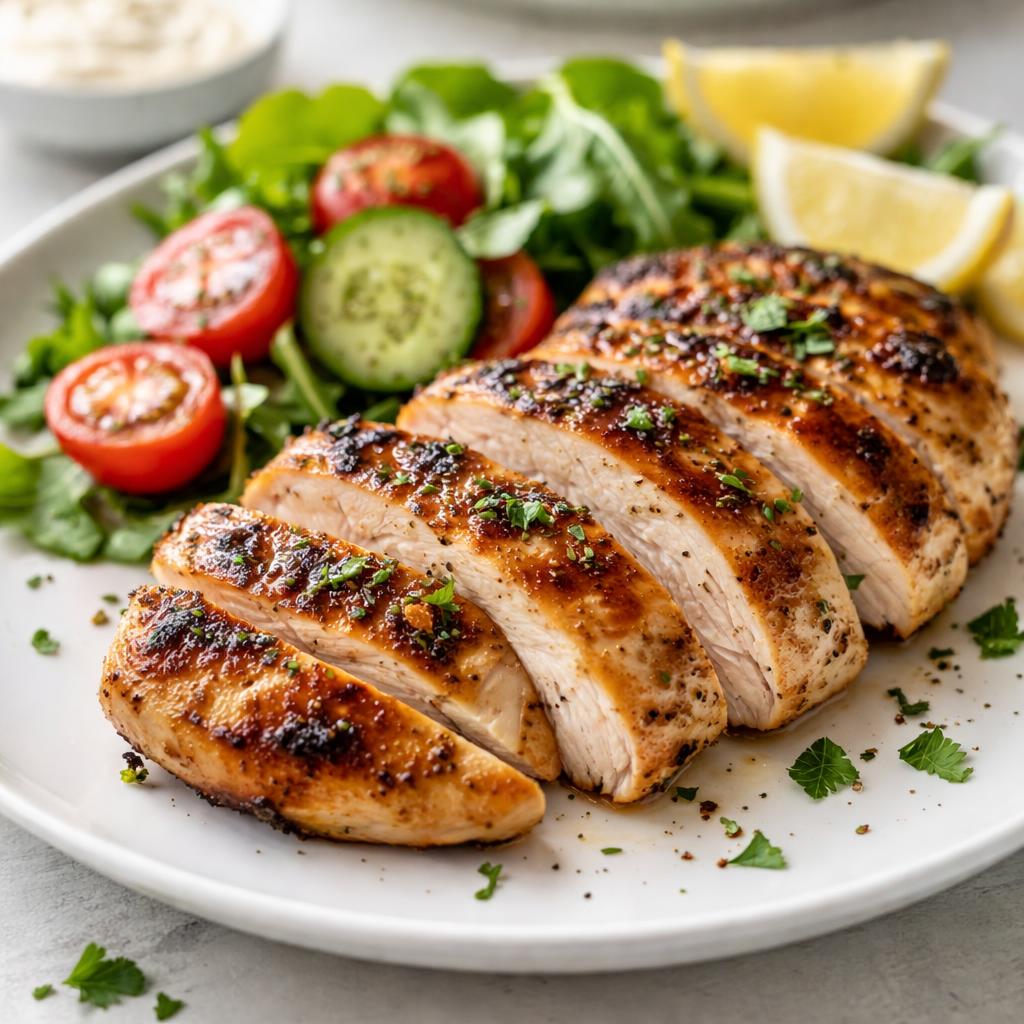
Chicken
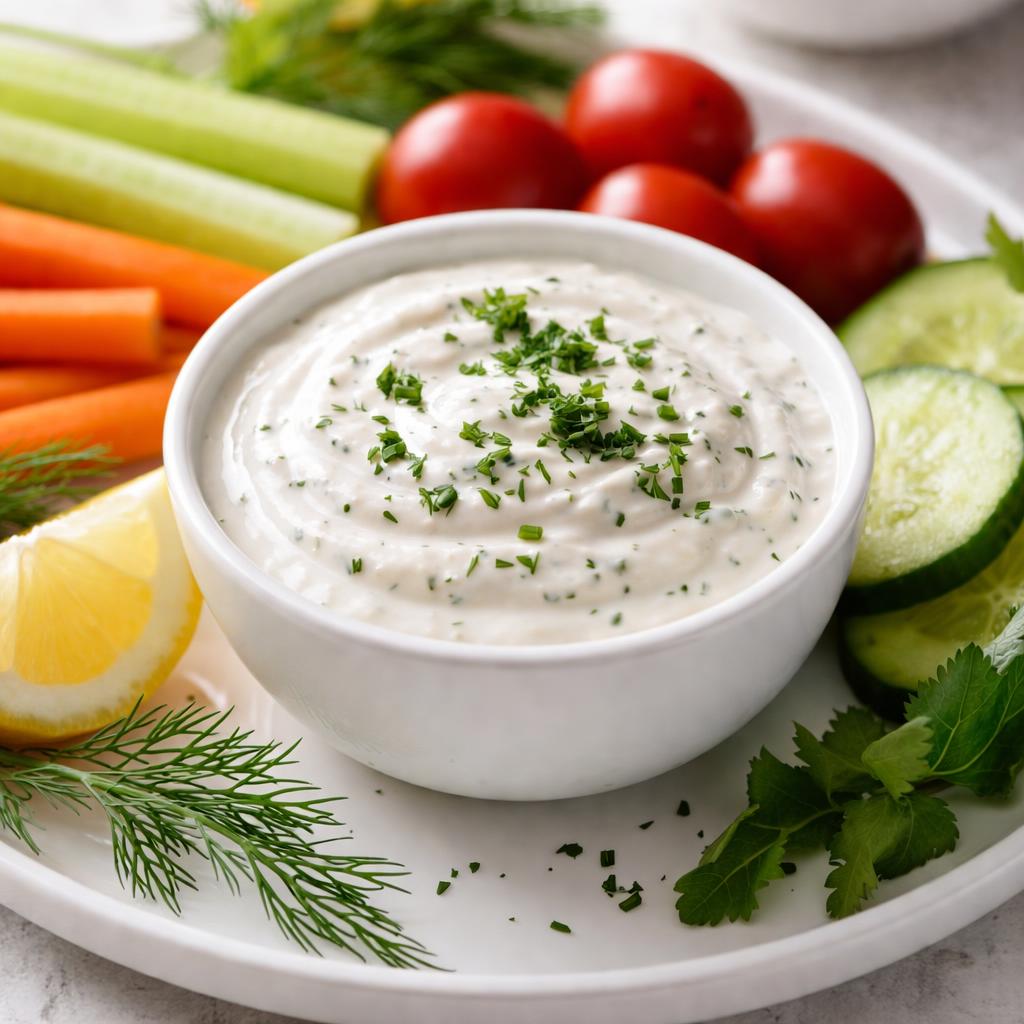
Ranch
🎯 Quick Verdict
Chicken is a lean protein source packed with essential amino acids, making it ideal for muscle building and weight management. Ranch dressing, while flavorful, is high in calories, fats, and has minimal protein. Chicken is best for protein-rich diets, whereas ranch is better suited for occasional use as a condiment or flavor enhancer in meals.

Smart Nutrition Tracking with SnapCalorie

📊 Nutritional Comparison
Macronutrients
| Nutrient | Food 1 | Food 2 | Winner |
|---|---|---|---|
| Calories | 165 | 145 (per 2 tbsp) | ✓ |
| Protein | 31g | 1g | ✓ |
| Carbs | 0g | 2g | ✓ |
| Fat | 3.6g | 15g | ✓ |
| Fiber | 0g | 0g | − |
Vitamins & Minerals
| Nutrient | Food 1 | Food 2 | Winner |
|---|---|---|---|
| Vitamin D | 0mcg | 0.2mcg | ✓ |
| Calcium | 13mg | 20mg | ✓ |
| Iron | 1mg | 0.2mg | ✓ |
🏆 Category Winners
Protein
Chicken has 31g of protein per serving, far surpassing ranch dressing’s 1g.
Fiber
Neither food contains fiber.
Calories
Chicken offers 165 calories per serving compared to ranch’s 145 calories, but provides vastly more nutrients.
Vitamins
Ranch dressing has slightly higher Vitamin D and calcium values, though not significant.
🥗 Diet Compatibility
Keto
Food 1: Compatible
Food 2: Compatible
Both are low-carb and fit ketogenic diets.
Vegan
Food 1: Not Compatible
Food 2: Not Compatible
Chicken is an animal product, and ranch often contains dairy.
Gluten Free
Food 1: Compatible
Food 2: Compatible
Neither contains gluten.
Paleo
Food 1: Compatible
Food 2: Not Compatible
Chicken fits paleo guidelines, whereas commercially-made ranch contains processed ingredients.
Low Carb
Food 1: Compatible
Food 2: Compatible
Both foods are low in carbohydrates, making them suitable for low-carb diets.
💪 Health Benefits Comparison
Food 1 Benefits
- Rich in high-quality protein for muscle growth and repair
- Low in fat, making it a lean protein option
- Contains essential nutrients like B vitamins for energy metabolism
Food 2 Benefits
- Provides fats that can contribute to satiety and flavor enhancement
- Contains small amounts of calcium and Vitamin D
- Works well as a condiment to increase meal palatability
✅ The Bottom Line
Chicken outperforms ranch dressing on most nutritional benchmarks, especially as a high-protein, low-fat option suitable for weight management or muscle growth. Ranch dressing, while lower in calories per tablespoon, is high in fat and serves more as a flavor enhancer than a nutrient-dense food choice.
Choose Food 1 for: Lean protein diets, muscle repair, weight loss, general nutrition
Choose Food 2 for: Flavor enhancement, adding richness to meals, occasional use


