Chicken VS Prawn
A detailed nutritional comparison
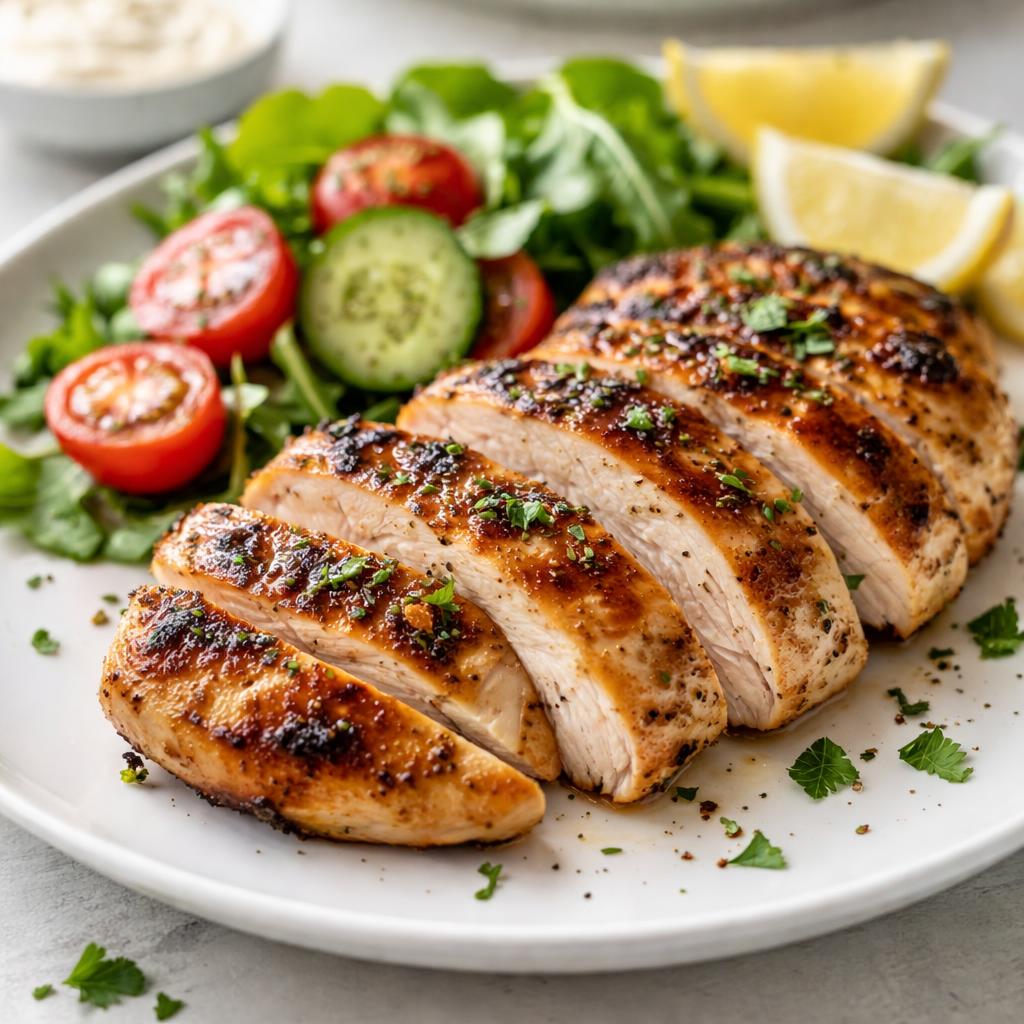
Chicken
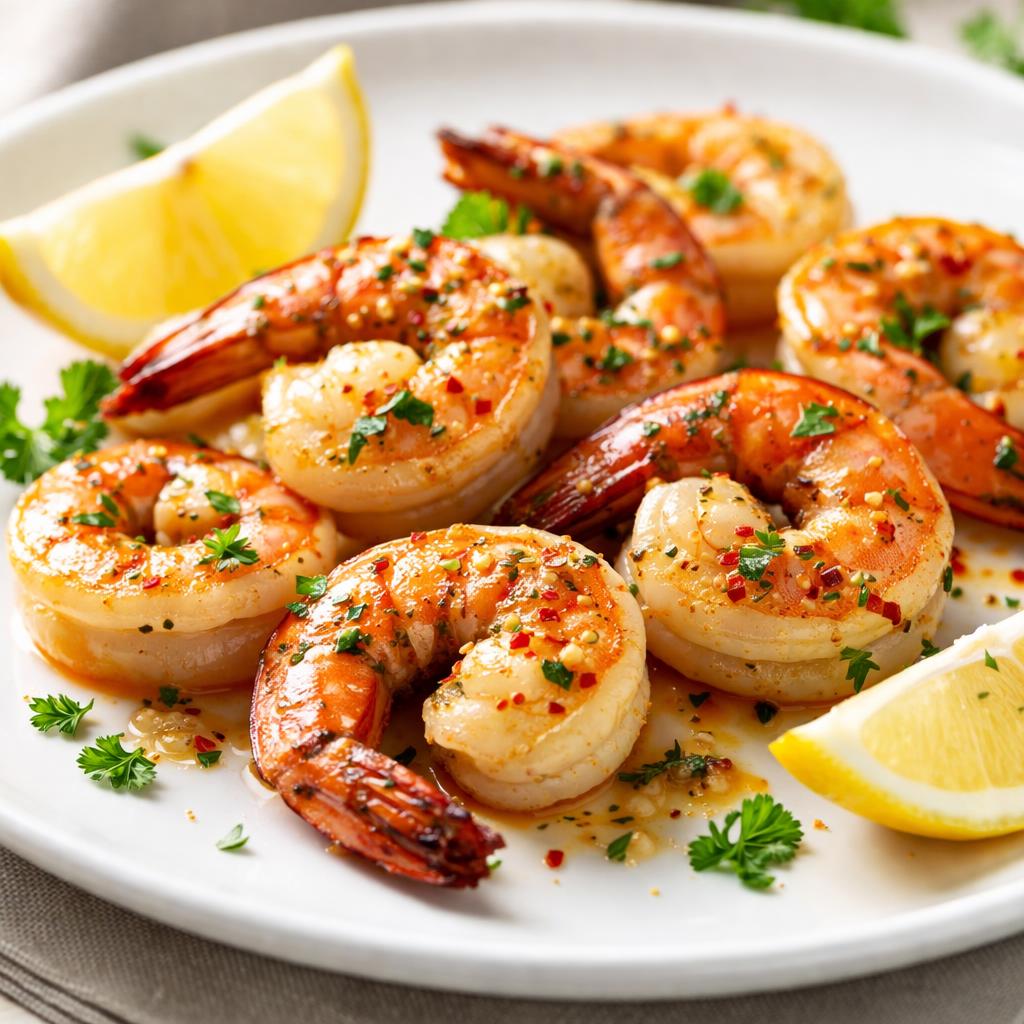
Prawn
🎯 Quick Verdict
Chicken is higher in protein and iron, making it an excellent choice for muscle building and overall energy levels. Prawns, on the other hand, are lower in calories and contain more vitamin D, selenium, and omega-3 fatty acids, which are beneficial for heart health and brain function. Each has unique advantages depending on dietary goals like weight loss versus nutritional density.

Smart Nutrition Tracking with SnapCalorie

📊 Nutritional Comparison
Macronutrients
| Nutrient | Food 1 | Food 2 | Winner |
|---|---|---|---|
| Calories | 165 (per 100g) | 99 (per 100g) | ✓ |
| Protein | 31g (per 100g) | 24g (per 100g) | ✓ |
| Carbs | 0g | 0.2g | ✓ |
| Fat | 3.6g | 0.8g | ✓ |
| Fiber | 0g | 0g | − |
Vitamins & Minerals
| Nutrient | Food 1 | Food 2 | Winner |
|---|---|---|---|
| Vitamin D | 0mcg | 2.1mcg | ✓ |
| Calcium | 15mg | 27mg | ✓ |
| Iron | 1.3mg | 0.5mg | ✓ |
| Selenium | 20mcg | 48mcg | ✓ |
🏆 Category Winners
Protein
Chicken contains 31g of protein per 100g, which is 29% higher than prawns.
Fiber
Neither chicken nor prawns contain fiber.
Calories
Prawns have 40% fewer calories than chicken per 100g.
Vitamins
Prawns are superior in vitamin D, selenium, and calcium content.
🥗 Diet Compatibility
Keto
Food 1: Compatible
Food 2: Compatible
Both foods are low-carb and high-protein.
Vegan
Food 1: Not Compatible
Food 2: Not Compatible
Chicken and prawns are animal products.
Gluten Free
Food 1: Compatible
Food 2: Compatible
Both are naturally gluten-free.
Paleo
Food 1: Compatible
Food 2: Compatible
Both are allowed on a paleo diet.
Low Carb
Food 1: Compatible
Food 2: Compatible
Both are extremely low in carbohydrates (0g for chicken, 0.2g for prawns).
💪 Health Benefits Comparison
Food 1 Benefits
- High protein content aids muscle growth and repair.
- Iron supports energy levels and oxygen transport in the body.
- Low fat supports heart health and weight management.
Food 2 Benefits
- Rich in omega-3 fatty acids for heart and brain health.
- Selenium helps with antioxidant protection and thyroid function.
- Vitamin D boosts bone health and immune function.
✅ The Bottom Line
Choose chicken for high protein intake, muscle-building, and post-workout recovery. Opt for prawns when seeking lower-calorie meals rich in heart-healthy omega-3s and essential nutrients like selenium and vitamin D. Both are excellent choices depending on your dietary goals.
Choose Food 1 for: Muscle building, high-protein diets, post-workout meals
Choose Food 2 for: Weight loss, heart health, nutrient density


