Chicken VS Peas
A detailed nutritional comparison
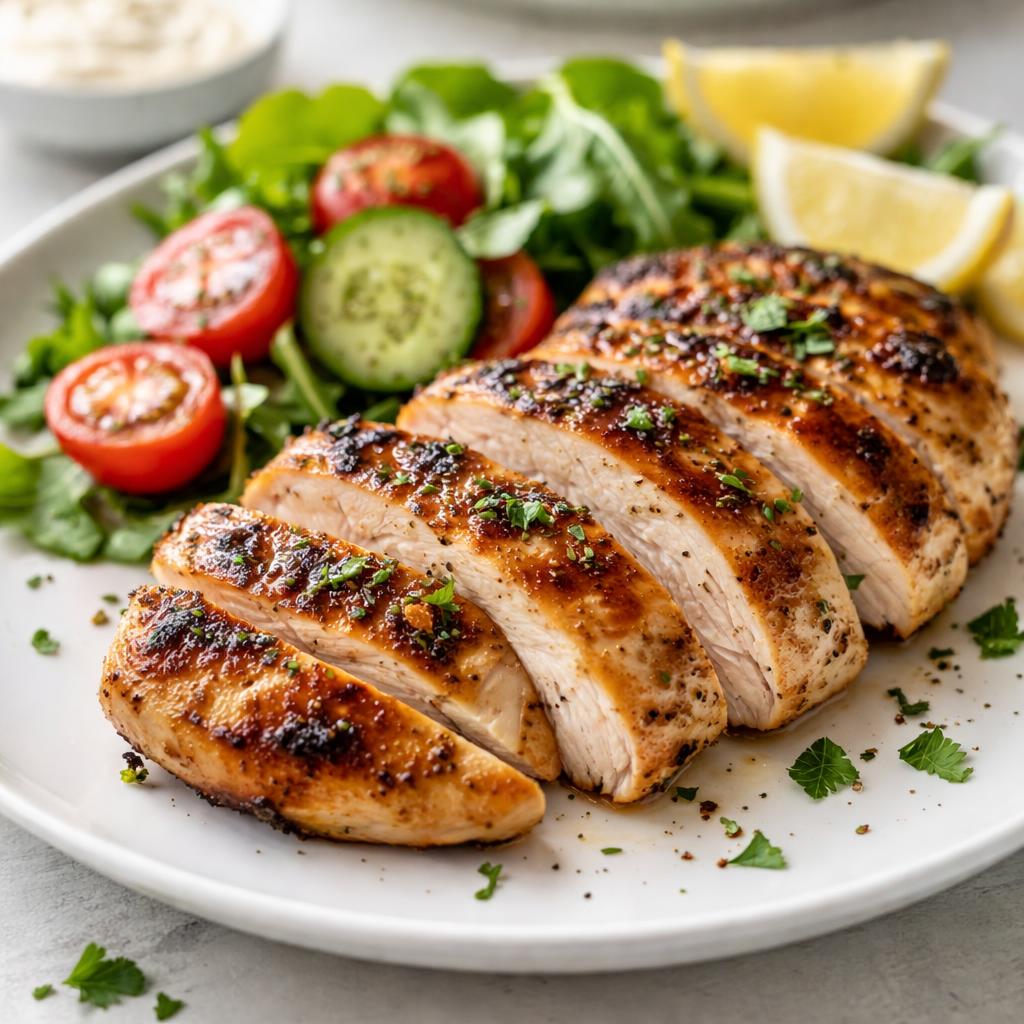
Chicken
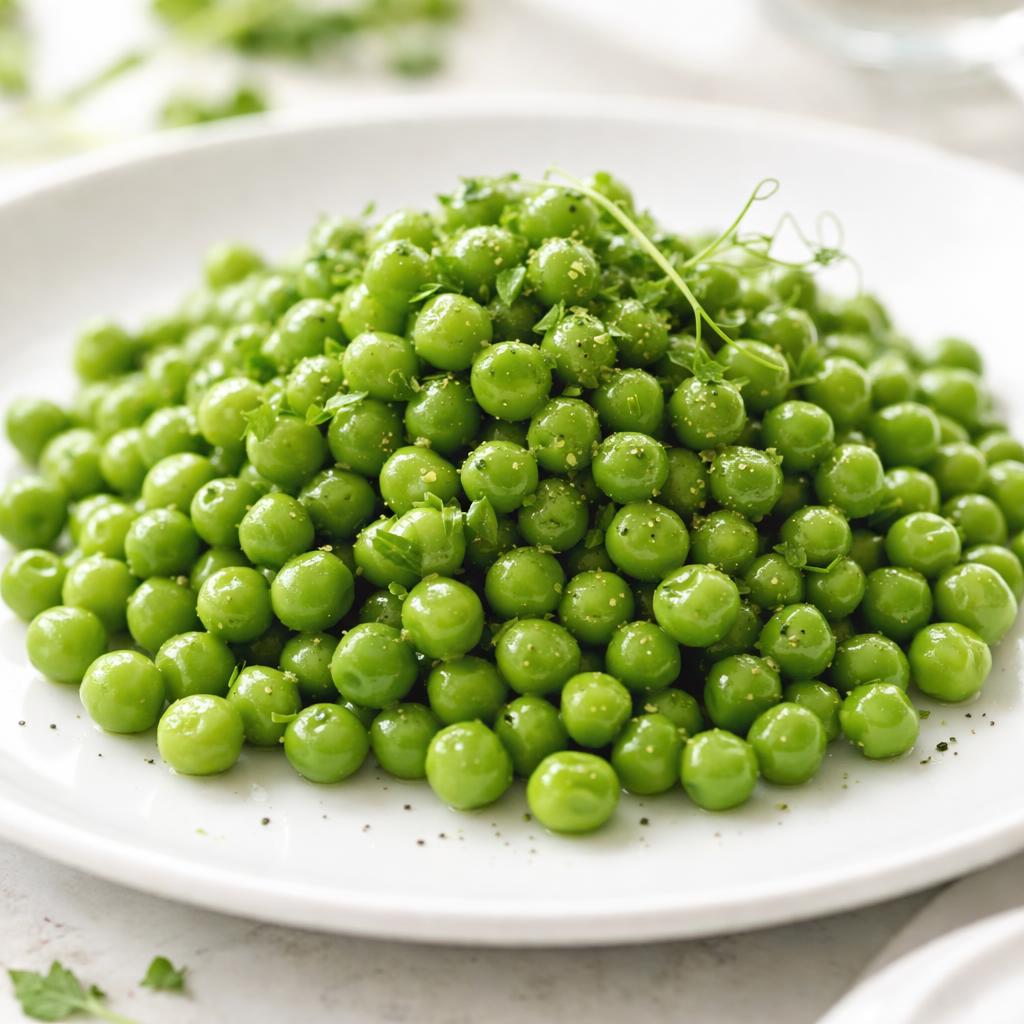
Peas
🎯 Quick Verdict
Chicken offers significantly higher protein content and lower calories, making it ideal for high-protein and low-calorie diets. Peas excel in fiber, vitamins, and overall nutrient density which is perfect for plant-based diets or improving digestion. Both have unique strengths depending on dietary goals.

Smart Nutrition Tracking with SnapCalorie

📊 Nutritional Comparison
Macronutrients
| Nutrient | Food 1 | Food 2 | Winner |
|---|---|---|---|
| Calories | 165 | 118 | ✓ |
| Protein | 31g | 8g | ✓ |
| Carbs | 0g | 21g | ✓ |
| Fat | 3.6g | 0.5g | ✓ |
| Fiber | 0g | 7g | ✓ |
Vitamins & Minerals
| Nutrient | Food 1 | Food 2 | Winner |
|---|---|---|---|
| Vitamin C | 0mg | 40mg | ✓ |
| Vitamin D | 0.1mcg | 0mcg | ✓ |
| Iron | 1mg | 2mg | ✓ |
| Calcium | 15mg | 25mg | ✓ |
🏆 Category Winners
Protein
Chicken contains nearly 4 times more protein per serving than peas.
Fiber
Peas provide 7g of fiber per serving while chicken has none.
Calories
Peas are slightly lower in calories per serving, making them suitable for calorie-conscious diets.
🥗 Diet Compatibility
Keto
Food 1: Compatible
Food 2: Not Compatible
Chicken is low-carb and suitable for keto diets, whereas peas are high in carbohydrates.
Vegan
Food 1: Not Compatible
Food 2: Compatible
Peas are plant-based and vegan-friendly, while chicken is animal-derived.
Gluten Free
Food 1: Compatible
Food 2: Compatible
Neither chicken nor peas contain any gluten.
Paleo
Food 1: Compatible
Food 2: Not Compatible
Chicken is paleo-friendly, but peas are considered a legume and excluded from the paleo diet.
Low-Carb
Food 1: Compatible
Food 2: Not Compatible
Chicken has 0g of carbohydrates, while peas contain 21g per serving.
💪 Health Benefits Comparison
Food 1 Benefits
- High in lean protein for muscle building and repair
- Low in fat, supporting weight management
- Source of Vitamin B6, aiding brain function and energy metabolism
Food 2 Benefits
- Rich in fiber, promoting healthy digestion
- High in Vitamin C, boosting immune health
- Contains plant-based iron, supporting oxygen transport in the body
- Provides antioxidants to help reduce inflammation
✅ The Bottom Line
Chicken is ideal for individuals seeking high protein with minimal carbohydrates, such as those on keto or paleo diets. Peas are excellent for plant-based eaters or people focusing on fiber and overall micronutrient intake. Both foods complement diverse dietary plans depending on personal goals.
Choose Food 1 for: High-protein diets, muscle building, keto, paleo
Choose Food 2 for: Vegans, improving digestion, nutrient density


