Chicken VS Pasta Salad
A detailed nutritional comparison
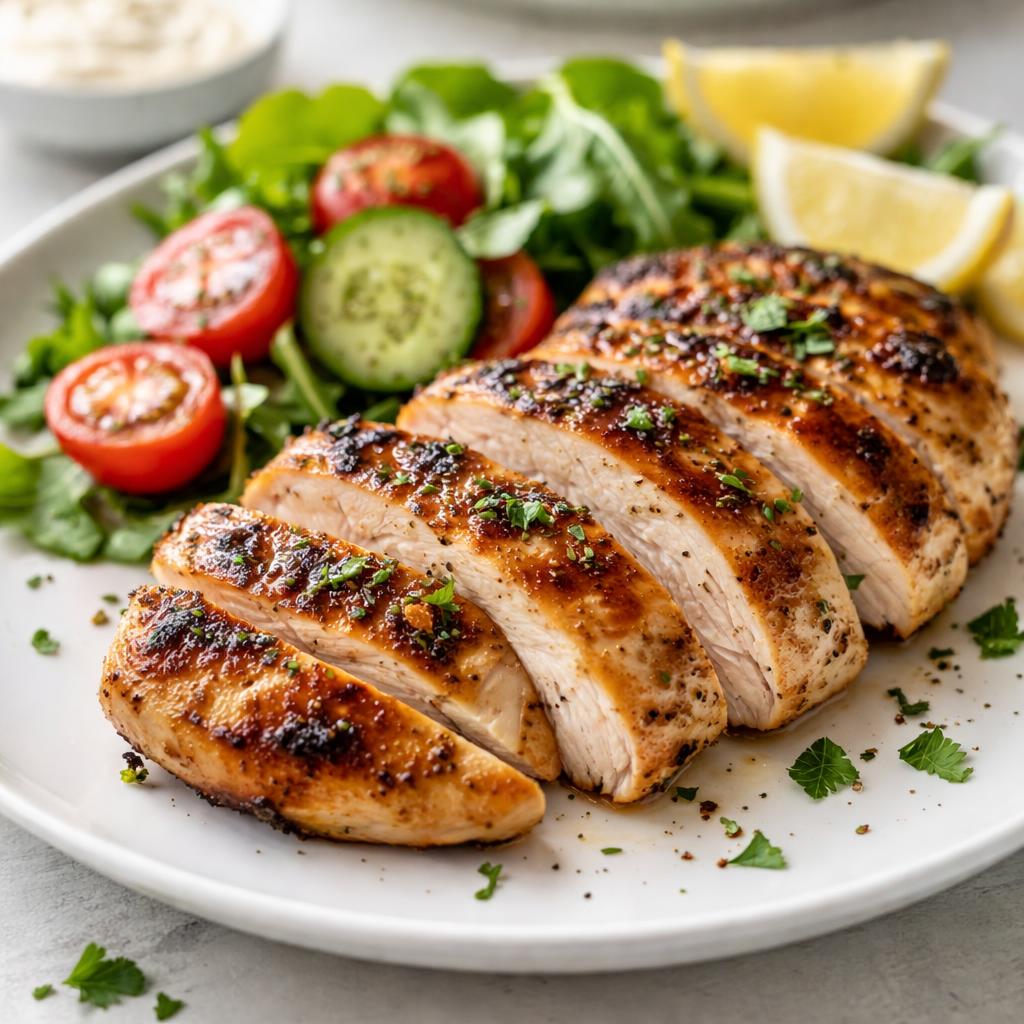
Chicken
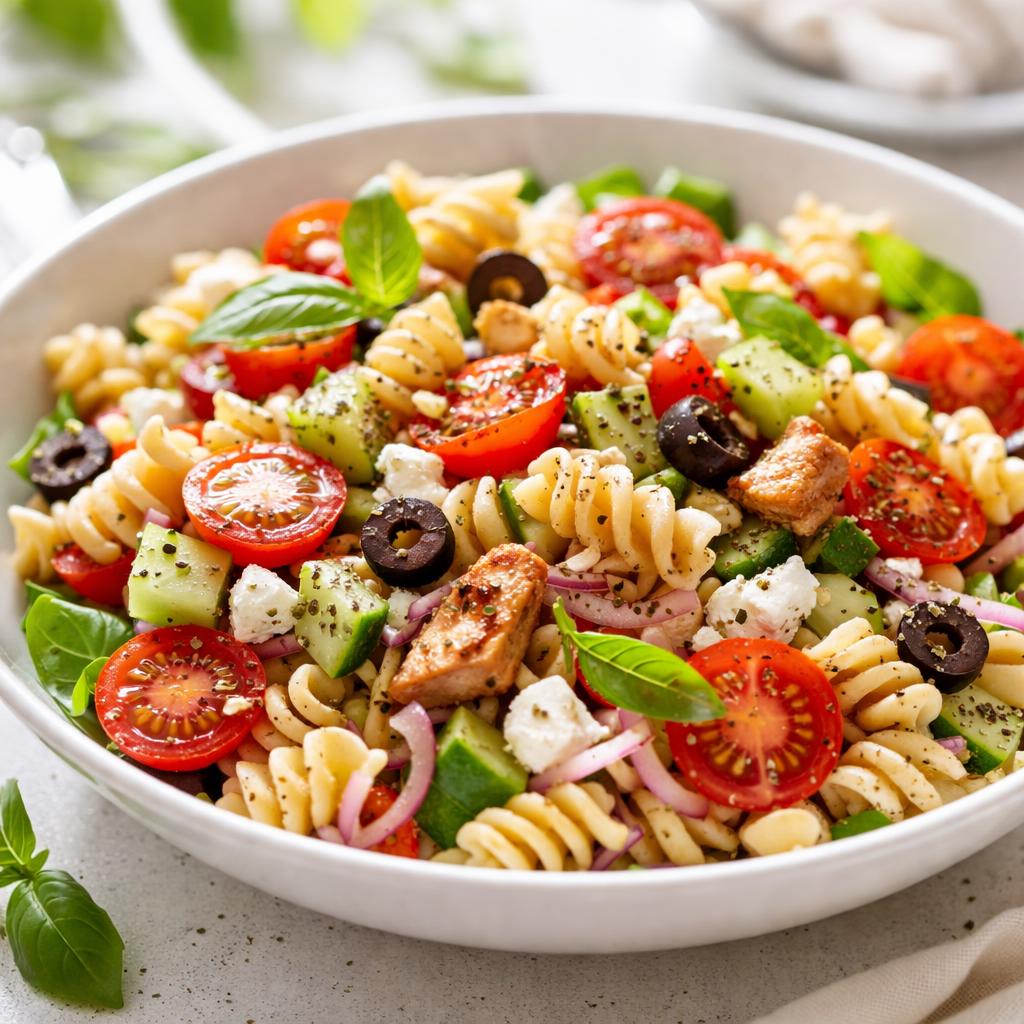
Pasta Salad
🎯 Quick Verdict
Chicken and pasta salad differ significantly in their nutritional profiles. Chicken is a high-protein, low-carb food ideal for muscle maintenance and weight loss, whereas pasta salad provides moderate carbohydrates and fiber with lower protein, making it suitable for sustained energy. Your choice should depend on dietary goals, with chicken favored for high-protein needs and pasta salad favored for balanced meals with fiber and complex carbs.

Smart Nutrition Tracking with SnapCalorie

📊 Nutritional Comparison
Macronutrients
| Nutrient | Food 1 | Food 2 | Winner |
|---|---|---|---|
| Calories | 165 | 250 | ✓ |
| Protein | 31g | 8g | ✓ |
| Carbs | 0g | 35g | ✓ |
| Fat | 3.6g | 10g | ✓ |
| Fiber | 0g | 4g | ✓ |
Vitamins & Minerals
| Nutrient | Food 1 | Food 2 | Winner |
|---|---|---|---|
| Vitamin D | 0.2mcg | 0mcg | ✓ |
| Calcium | 13mg | 30mg | ✓ |
| Iron | 1mg | 2mg | ✓ |
🏆 Category Winners
Protein
Chicken contains nearly 4 times more protein per serving than pasta salad.
Fiber
Pasta salad provides 4g of fiber, while chicken has none.
Calories
Chicken contains 34% fewer calories per serving than pasta salad.
Vitamins
Pasta salad provides higher amounts of calcium and iron compared to chicken.
🥗 Diet Compatibility
Keto
Food 1: Compatible
Food 2: Not Compatible
Chicken is low-carb and fits into keto, while pasta salad is high-carb.
Vegan
Food 1: Not Compatible
Food 2: Compatible
Chicken is an animal product, whereas pasta salad can be made entirely plant-based.
Gluten Free
Food 1: Compatible
Food 2: Not Compatible
Chicken is naturally gluten-free; pasta salad typically contains wheat-based pasta, which is not safe for those avoiding gluten unless specifically gluten-free pasta is used.
Paleo
Food 1: Compatible
Food 2: Not Compatible
Chicken is allowed in Paleo diets, while pasta salad is not due to the grains.
Low-Carb
Food 1: Compatible
Food 2: Not Compatible
Chicken is carb-free, fitting into low-carb diets, while pasta salad is a high-carb food.
💪 Health Benefits Comparison
Food 1 Benefits
- Excellent source of lean protein for muscle building and maintenance
- Low in carbohydrates, supporting weight management and low-carb diets
- Contains vitamin B6, which supports brain health and immune function
Food 2 Benefits
- Provides complex carbohydrates for sustained energy
- Good source of dietary fiber for digestive health
- Contains iron and calcium for bone health and red blood cell production
✅ The Bottom Line
Chicken is a better choice for high-protein, low-carb needs, making it ideal for weight loss and muscle-focused diets. Pasta salad is ideal for balanced meals with a higher carbohydrate load and fiber, suited for active lifestyles or vegetarian options. Choose according to your dietary goals and activity level.
Choose Food 1 for: Weight loss, high-protein diets, muscle building, keto and paleo plans
Choose Food 2 for: Balanced meals, energy for workouts, vegetarian diets, fiber intake


