Chicken VS Orange
A detailed nutritional comparison
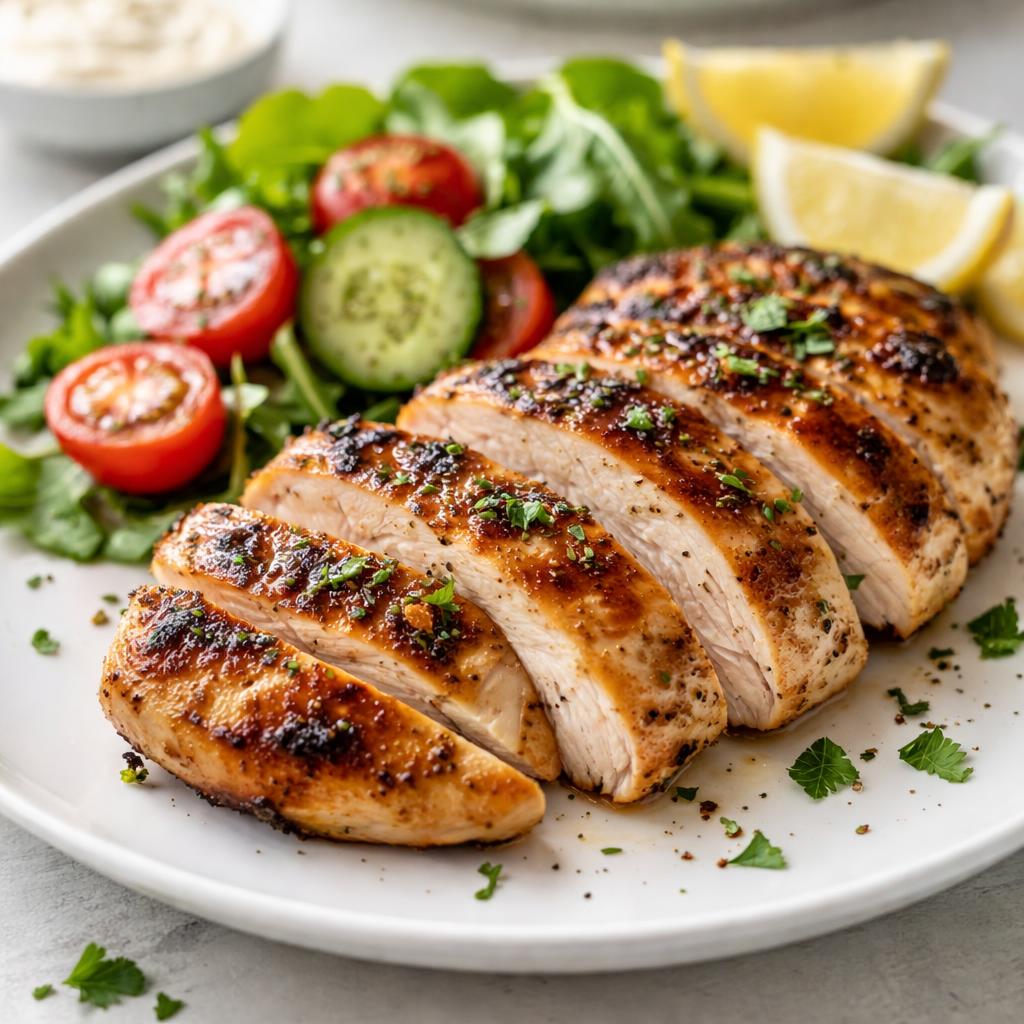
Chicken
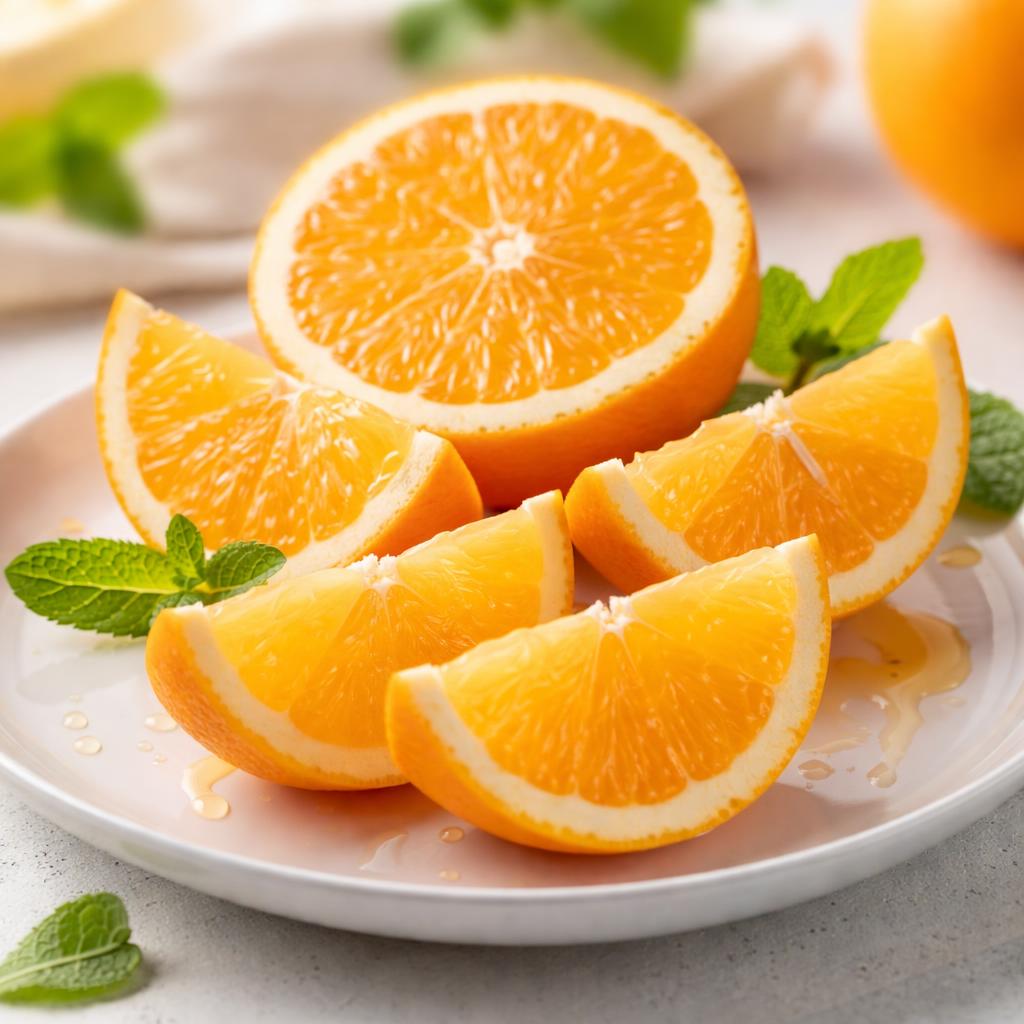
Orange
🎯 Quick Verdict
Chicken and oranges serve very different nutritional purposes. Chicken is a high-protein, low-carb food, ideal for muscle building and satiety. Oranges, on the other hand, are low-calorie, rich in vitamin C, and provide fiber, making them ideal for hydration and digestion. Both foods complement different dietary and health goals effectively.

Smart Nutrition Tracking with SnapCalorie

📊 Nutritional Comparison
Macronutrients
| Nutrient | Food 1 | Food 2 | Winner |
|---|---|---|---|
| Calories | 165 | 62 | ✓ |
| Protein | 31g | 1.2g | ✓ |
| Carbs | 0g | 15g | ✓ |
| Fat | 3.6g | 0.1g | ✓ |
| Fiber | 0g | 3g | ✓ |
Vitamins & Minerals
| Nutrient | Food 1 | Food 2 | Winner |
|---|---|---|---|
| Vitamin C | 0mg | 70mg | ✓ |
| Vitamin A | 13mcg | 14mcg | ✓ |
| Potassium | 256mg | 237mg | ✓ |
🏆 Category Winners
Protein
Chicken contains significantly more protein (31g vs 1.2g).
Fiber
Oranges contain 3g of fiber, while chicken provides none.
Calories
Oranges are much lower in calories than chicken (62 vs 165 per serving).
Vitamins
Oranges are loaded with vitamin C and also contain slightly more vitamin A.
🥗 Diet Compatibility
Keto
Food 1: Compatible
Food 2: Not Compatible
Chicken is carb-free.
Vegan
Food 1: Not Compatible
Food 2: Compatible
Oranges are plant-based.
Gluten Free
Food 1: Compatible
Food 2: Compatible
Neither contains gluten.
Paleo
Food 1: Compatible
Food 2: Compatible
Both fit within paleo guidelines.
Low-Carb
Food 1: Compatible
Food 2: Not Compatible
Chicken has no carbs, while oranges contain 15g per serving.
💪 Health Benefits Comparison
Food 1 Benefits
- Excellent source of protein for muscle repair and growth
- Low in carbohydrates, ideal for low-carb diets
- Provides B vitamins for energy and metabolism
Food 2 Benefits
- High in vitamin C for immune support and skin health
- Rich in fiber for gut health and improving digestion
- Low-calorie and hydrating for weight management and hydration
✅ The Bottom Line
Chicken is best for those seeking a high-protein, low-carb option for muscle building or weight loss. Oranges, on the other hand, are a great low-calorie snack loaded with fiber and vitamin C for digestion and immunity. They complement different dietary needs, making each essential in its own way.
Choose Food 1 for: High-protein diets, muscle building, satiety
Choose Food 2 for: Hydration, digestion, immunity support, low-calorie diets


