Chicken VS Oil
A detailed nutritional comparison
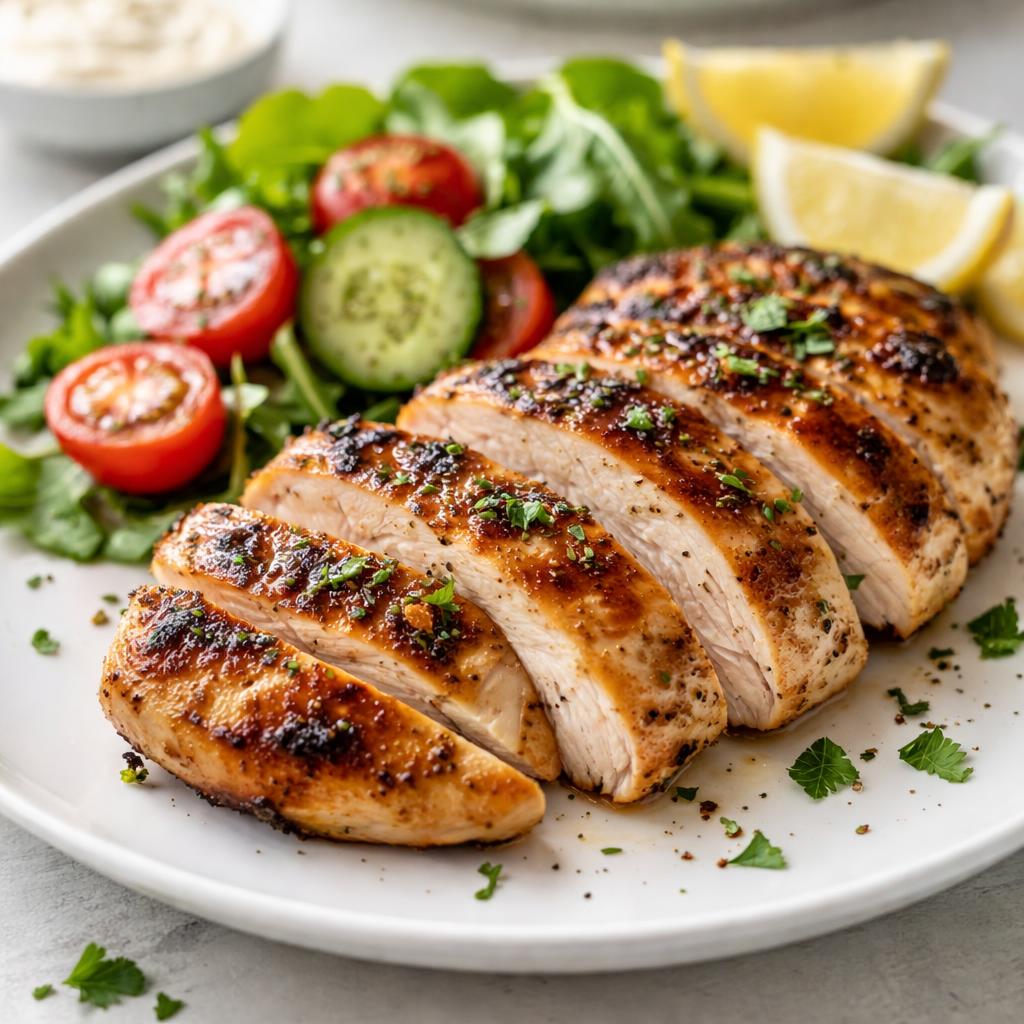
Chicken
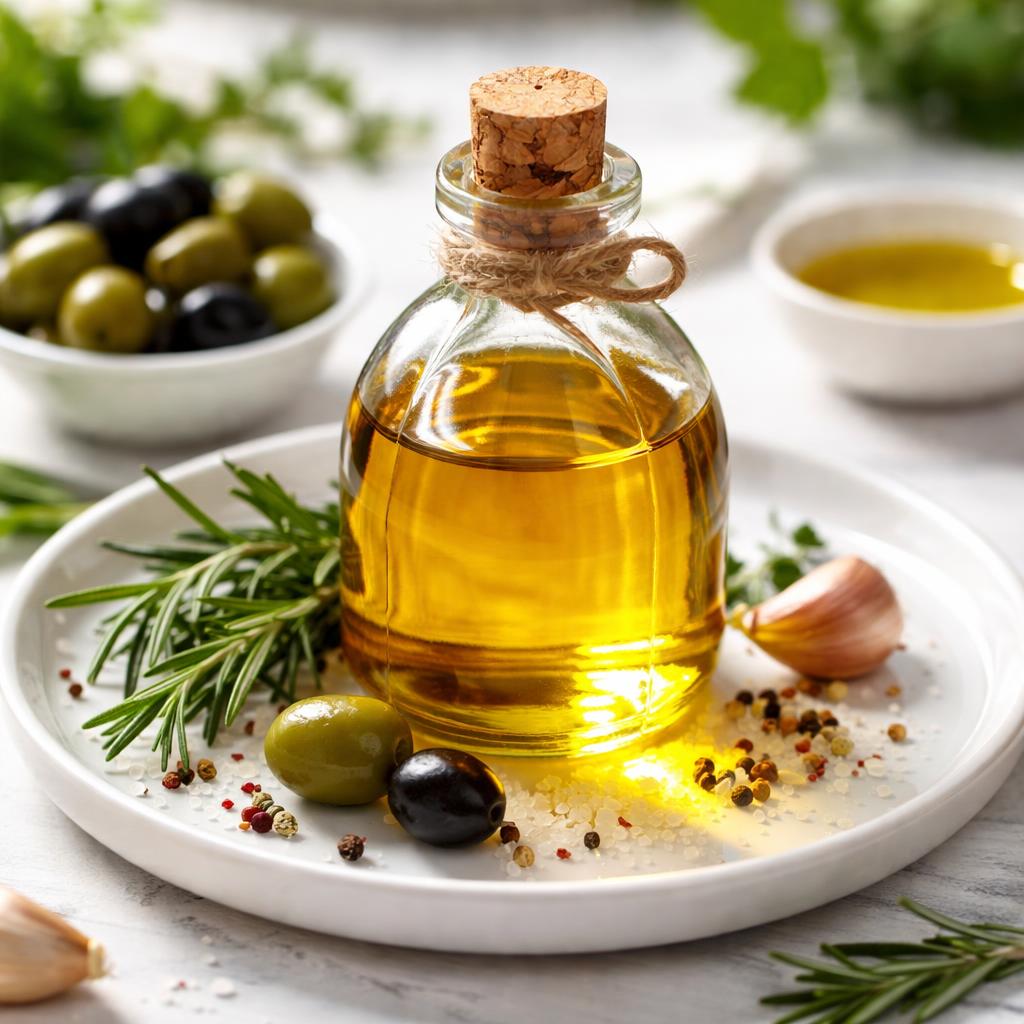
Oil
🎯 Quick Verdict
Chicken and oil differ significantly in their nutritional profiles. Chicken is high in protein and provides a variety of vitamins and minerals, making it ideal for muscle maintenance and overall health. Oil, on the other hand, is purely fat and best used for adding healthy fats to meals but lacks protein, fiber, and vitamins.

Smart Nutrition Tracking with SnapCalorie

📊 Nutritional Comparison
Macronutrients
| Nutrient | Food 1 | Food 2 | Winner |
|---|---|---|---|
| Calories | 165 | 120 | ✓ |
| Protein | 31g | 0g | ✓ |
| Carbs | 0g | 0g | − |
| Fat | 3.6g | 14g | ✓ |
| Fiber | 0g | 0g | − |
Vitamins & Minerals
| Nutrient | Food 1 | Food 2 | Winner |
|---|---|---|---|
| Vitamin D | 0.1mcg | 0mcg | ✓ |
| Calcium | 13mg | 1mg | ✓ |
| Iron | 1mg | 0mg | ✓ |
🏆 Category Winners
Protein
Chicken is a significant source of protein with 31g per serving, while oil provides none.
Fiber
Neither chicken nor oil contains fiber.
Calories
Oil is slightly lower in calories (120 vs 165 per serving), but it provides pure fat.
Vitamins
Chicken contains small amounts of essential vitamins and minerals, while oil lacks vitamins completely.
🥗 Diet Compatibility
Keto
Food 1: Compatible
Food 2: Compatible
Both foods are low-carb and high-fat (oil exclusively fat).
Vegan
Food 1: Not Compatible
Food 2: Compatible
Chicken is animal-based, while oil is plant-derived.
Gluten Free
Food 1: Compatible
Food 2: Compatible
Neither contains gluten.
Paleo
Food 1: Compatible
Food 2: Compatible
Both align with paleo principles as whole, unprocessed foods.
Low-Carb
Food 1: Compatible
Food 2: Compatible
Neither food contains carbohydrates.
💪 Health Benefits Comparison
Food 1 Benefits
- Excellent source of lean protein for muscle health
- Contains essential minerals like iron for energy production
- Low calories, making it suitable for weight management
- Promotes feeling full due to high protein content
Food 2 Benefits
- Rich source of healthy fats for heart health and hormone function
- Provides vitamin E (if plant oils like olive oil are used)
- Adds satiety to meals due to its fat content
- Supports brain health through monounsaturated fats (specific to oils like avocado or olive oil)
✅ The Bottom Line
Choose chicken for high protein intake, muscle maintenance, and balanced nutrition, particularly if managing weight or focusing on overall health. Use oil mainly as a source of healthy fats to complement meals, especially in keto or low-carb diets. Combining both foods can create a balanced meal that includes protein and necessary fats.
Choose Food 1 for: High-protein diets, weight management, muscle development, post-workout meals
Choose Food 2 for: Adding healthy fats to meals, keto diets, enhancing satiety, supporting heart and brain health


