Chicken VS Lamb
A detailed nutritional comparison
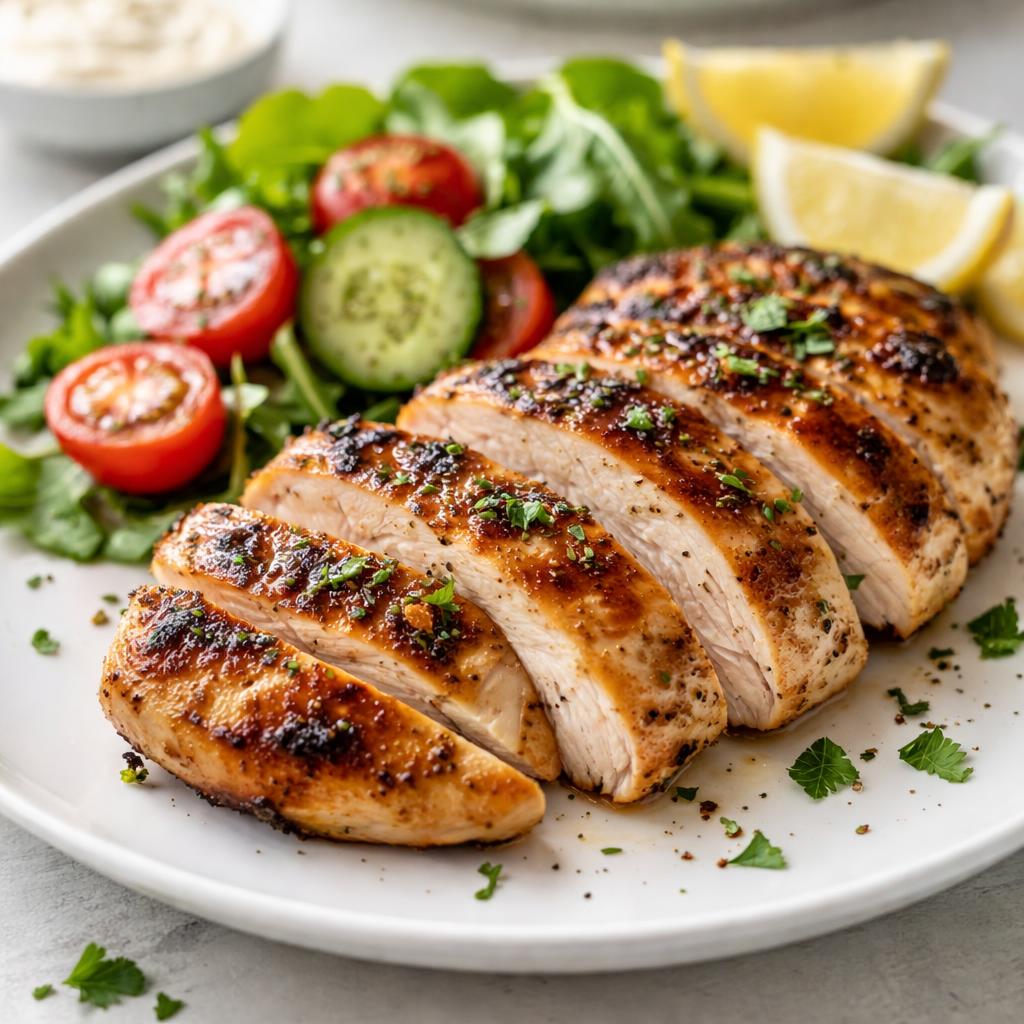
Chicken
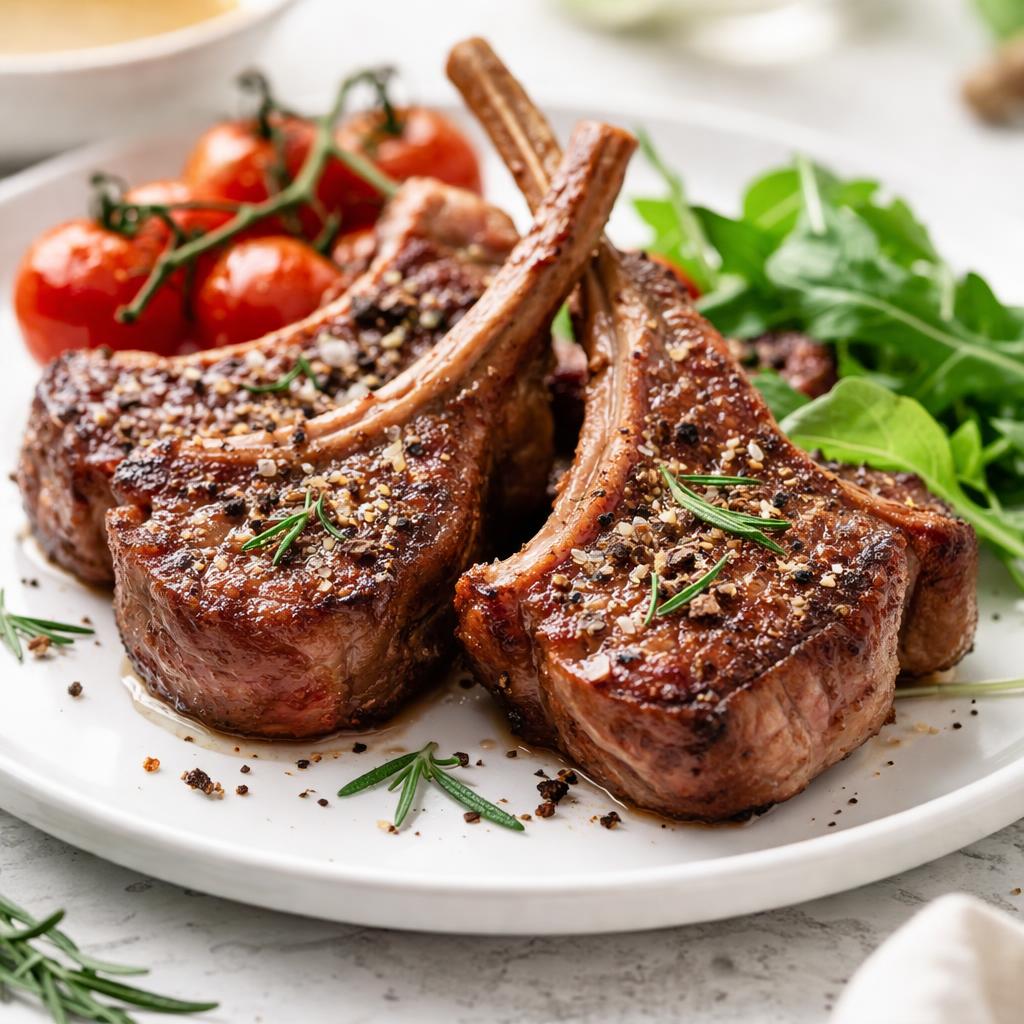
Lamb
🎯 Quick Verdict
Chicken (Food 1) is lower in calories and fat than lamb (Food 2), making it a leaner option, particularly suitable for weight management diets. Lamb, in comparison, offers higher mineral content like zinc and iron, along with more saturated fats, which can support energy needs but may not be suitable for low-fat diets. Choose chicken for lean protein and lamb for richer flavor and nutrient density.

Smart Nutrition Tracking with SnapCalorie

📊 Nutritional Comparison
Macronutrients
| Nutrient | Food 1 | Food 2 | Winner |
|---|---|---|---|
| Calories | 165 | 294 | ✓ |
| Protein | 31g | 25g | ✓ |
| Carbs | 0g | 0g | − |
| Fat | 3.6g | 21g | ✓ |
| Fiber | 0g | 0g | − |
Vitamins & Minerals
| Nutrient | Food 1 | Food 2 | Winner |
|---|---|---|---|
| Vitamin B12 | 0.6mcg | 2.6mcg | ✓ |
| Iron | 1mg | 2mg | ✓ |
| Zinc | 1mg | 4mg | ✓ |
🏆 Category Winners
Protein
Chicken contains 24% more protein per serving than lamb.
Fiber
Neither chicken nor lamb provides fiber.
Calories
Chicken has 44% fewer calories per serving than lamb.
Vitamins
Lamb offers higher amounts of B12, iron, and zinc.
🥗 Diet Compatibility
Keto
Food 1: Compatible
Food 2: Compatible
Both are low-carb and suitable for ketogenic diets.
Vegan
Food 1: Not Compatible
Food 2: Not Compatible
Both are animal-based products, not suitable for vegan diets.
Gluten Free
Food 1: Compatible
Food 2: Compatible
Neither contains gluten and can be safely consumed on gluten-free diets.
Paleo
Food 1: Compatible
Food 2: Compatible
Both are whole, unprocessed foods allowed on paleo diets.
Low-Carb
Food 1: Compatible
Food 2: Compatible
Both foods are naturally carb-free and fit low-carb diets.
💪 Health Benefits Comparison
Food 1 Benefits
- Rich source of lean protein for muscle development
- Low in fat, supporting weight management
- Good source of niacin and selenium for metabolism and immune health
Food 2 Benefits
- High in iron and zinc for blood health and immune function
- Contains conjugated linoleic acid (CLA), which may support fat loss
- Rich flavor and healthy fats to promote satiety
✅ The Bottom Line
Chicken is ideal for those looking for a lean, high-protein option to support weight loss and muscle gain, while lamb is better suited for those seeking higher mineral content and richer flavors for energy-dense meals. Both can fit into low-carb and gluten-free diets.
Choose Food 1 for: Weight management, lean protein needs, low-fat diets
Choose Food 2 for: Energy-dense meals, mineral-rich diets, rich flavors


