Chicken VS Cucumber Slices
A detailed nutritional comparison
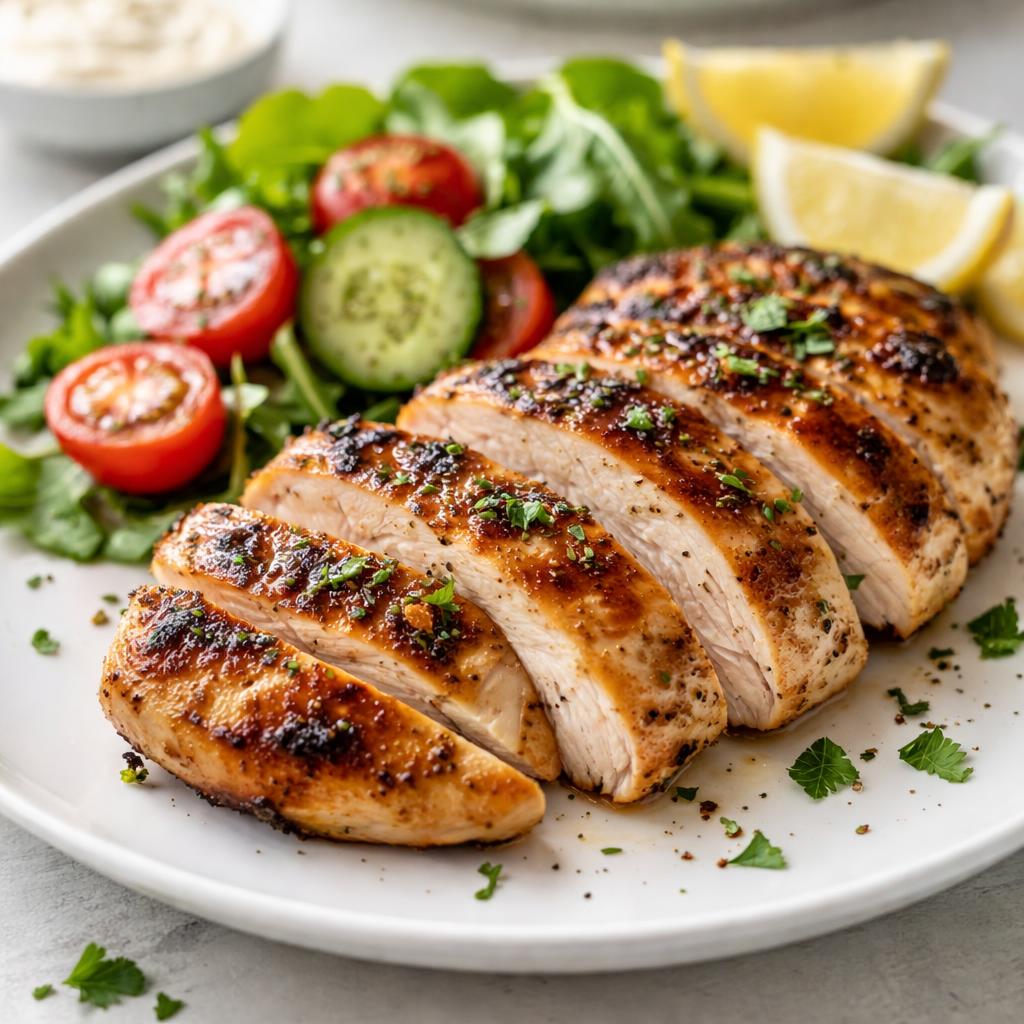
Chicken
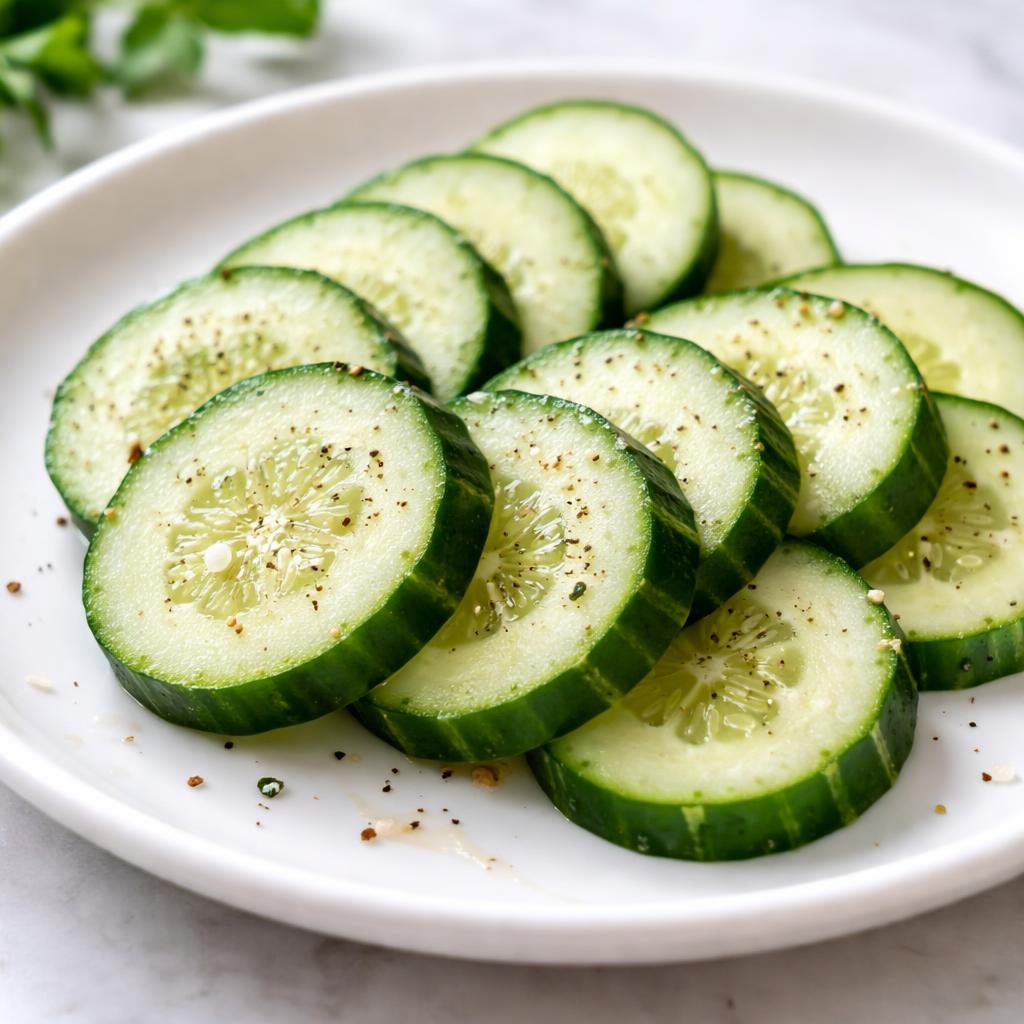
Cucumber Slices
🎯 Quick Verdict
Chicken is a protein powerhouse, providing significantly more protein and essential vitamins like vitamin D compared to cucumber slices. On the other hand, cucumbers are low in calories, hydrating, and provide modest fiber benefits, making them excellent for snacking or calorie-conscious diets. They are best paired for complementary nutritional purposes.

Smart Nutrition Tracking with SnapCalorie

📊 Nutritional Comparison
Macronutrients
| Nutrient | Food 1 | Food 2 | Winner |
|---|---|---|---|
| Calories | 165 | 16 | ✓ |
| Protein | 31g | 0.6g | ✓ |
| Carbs | 0g | 3.6g | ✓ |
| Fat | 3.6g | 0g | ✓ |
| Fiber | 0g | 0.5g | ✓ |
Vitamins & Minerals
| Nutrient | Food 1 | Food 2 | Winner |
|---|---|---|---|
| Vitamin D | 1mcg | 0mcg | ✓ |
| Vitamin C | 0mg | 2.8mg | ✓ |
| Calcium | 15mg | 14mg | − |
| Iron | 0.9mg | 0.3mg | ✓ |
🏆 Category Winners
Protein
Chicken has 51 times more protein than cucumber slices, making it ideal for muscle repair and growth.
Fiber
Cucumber slices contain 0.5g of fiber, which is modest but better than the 0g in chicken.
Calories
Cucumber slices have significantly fewer calories, making them great for weight management.
Vitamins
Chicken is a better source of vitamin D and iron, important for bone health and oxygen transport.
🥗 Diet Compatibility
Keto
Food 1: Compatible
Food 2: Compatible
Both foods are low in net carbs and suitable for a ketogenic diet.
Vegan
Food 1: Not Compatible
Food 2: Compatible
Cucumber slices are plant-based; chicken is animal-derived.
Gluten Free
Food 1: Compatible
Food 2: Compatible
Neither food contains gluten.
Paleo
Food 1: Compatible
Food 2: Compatible
Both align with paleo principles.
Low Carb
Food 1: Compatible
Food 2: Compatible
Both foods are inherently low in carbohydrates.
💪 Health Benefits Comparison
Food 1 Benefits
- Rich in high-quality protein for muscle growth and repair.
- Contains vitamin D to support bone health and immunity.
- Source of iron for improved oxygen transport and energy levels.
Food 2 Benefits
- Extremely low in calories, ideal for weight loss diets.
- Contains fiber to support digestion and gut health.
- Provides hydration with over 95% water content.
✅ The Bottom Line
Choose chicken when seeking a dense protein source, particularly for muscle repair, weight loss diets, or post-workout meals. Opt for cucumber slices as a low-calorie, hydrating snack or side dish to complement heavier meals. Combined, they make a balanced high-protein, low-calorie meal ensemble.
Choose Food 1 for: Muscle growth, post-workout recovery, high-protein diets
Choose Food 2 for: Weight management, hydration, low-calorie snacking


