Chicken VS Cheddar Cheese
A detailed nutritional comparison
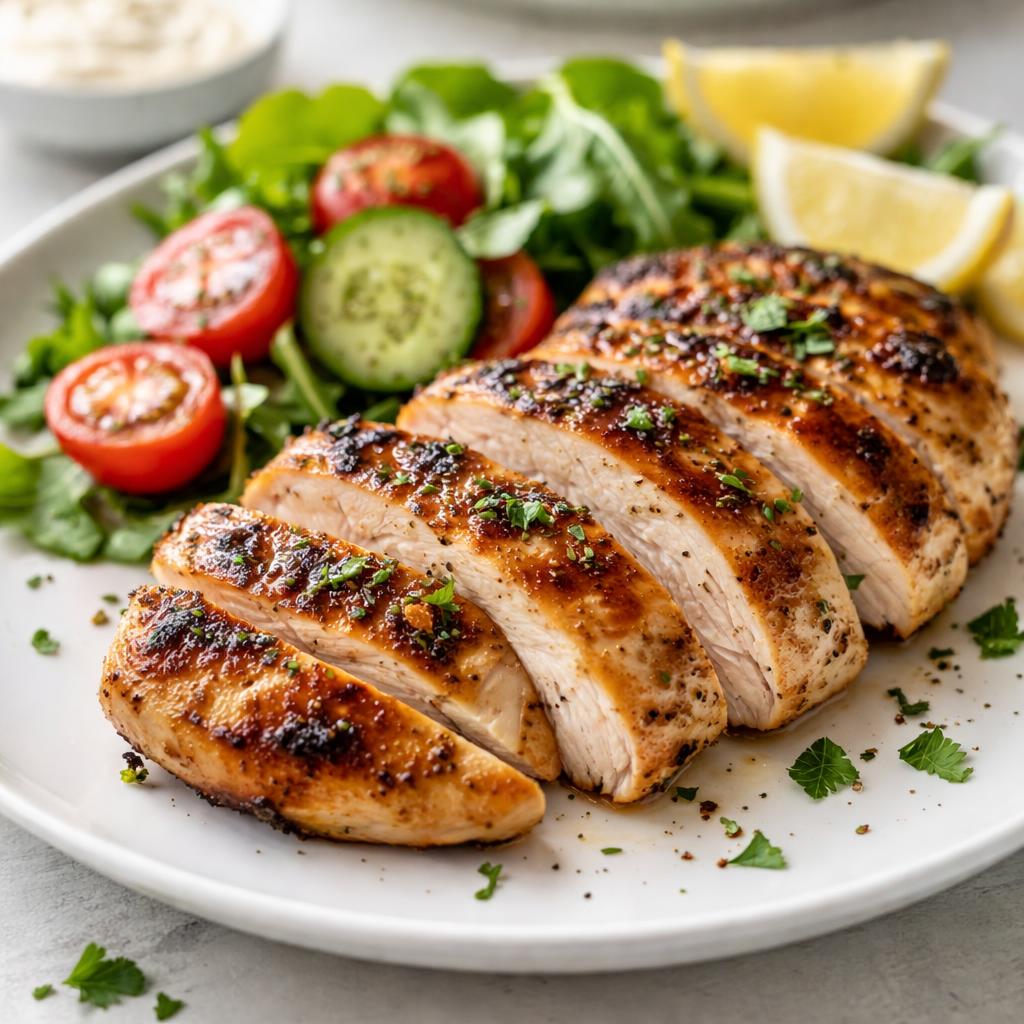
Chicken
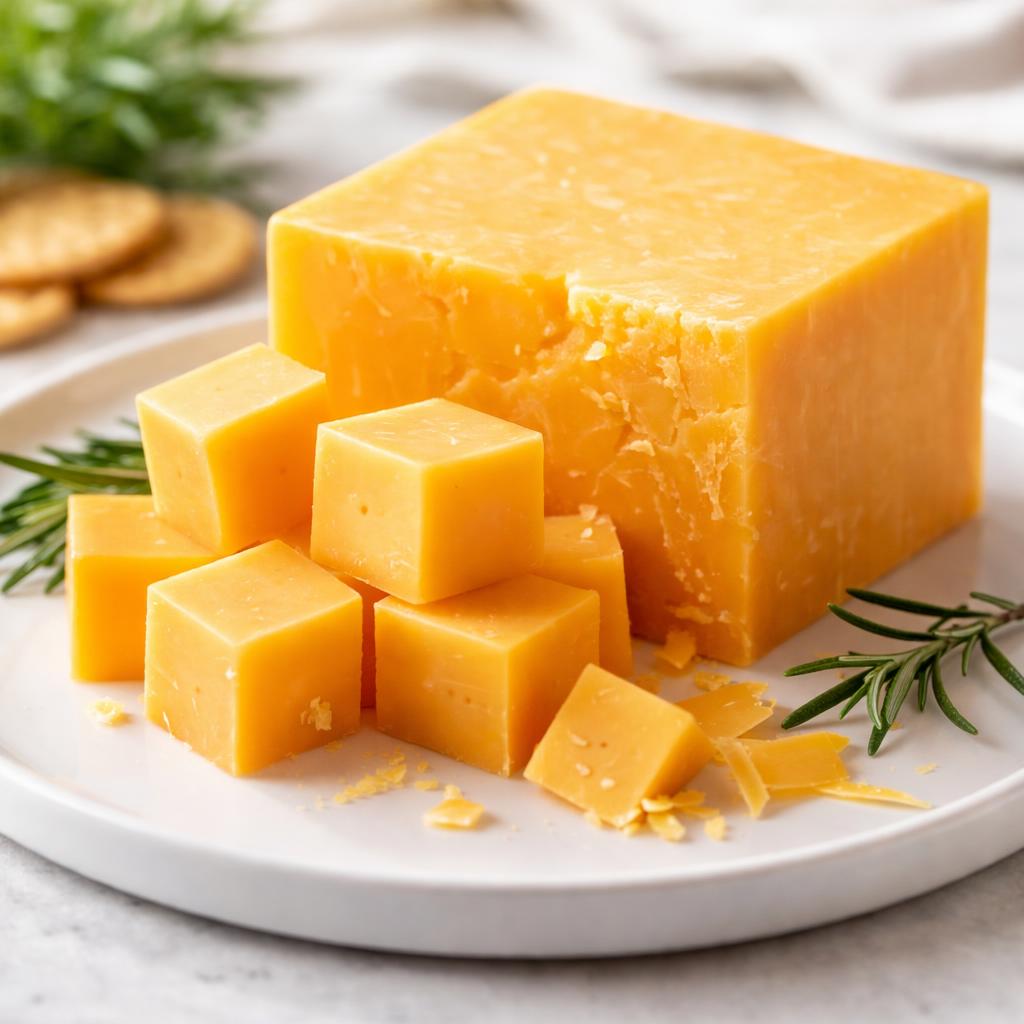
Cheddar Cheese
🎯 Quick Verdict
Chicken offers a lean protein source with lower calories and fat, making it ideal for weight management and muscle building. Cheddar cheese, by contrast, is calorie-dense and rich in healthy fats, calcium, and vitamin D, suitable for energy-packed diets or keto plans. Both have unique benefits but differ significantly in macronutrients and dietary roles.

Smart Nutrition Tracking with SnapCalorie

📊 Nutritional Comparison
Macronutrients
| Nutrient | Food 1 | Food 2 | Winner |
|---|---|---|---|
| Calories | 165 | 402 | ✓ |
| Protein | 31g | 25g | ✓ |
| Carbs | 0g | 1g | ✓ |
| Fat | 3.6g | 33g | ✓ |
| Fiber | 0g | 0g | − |
Vitamins & Minerals
| Nutrient | Food 1 | Food 2 | Winner |
|---|---|---|---|
| Vitamin D | 0mcg | 0.6mcg | ✓ |
| Calcium | 15mg | 721mg | ✓ |
| Iron | 1mg | 0.2mg | ✓ |
🏆 Category Winners
Protein
Chicken provides 31g of protein per serving, which is 24% higher than cheddar cheese.
Fiber
Neither food contains dietary fiber.
Calories
Chicken is much lower in calories, with 165 calories per serving versus 402 for cheddar cheese.
Vitamins
Cheddar cheese offers higher calcium and vitamin D levels compared to chicken.
🥗 Diet Compatibility
Keto
Food 1: Compatible
Food 2: Compatible
Both foods are low in carbohydrates, making them suitable for ketogenic diets.
Vegan
Food 1: Not Compatible
Food 2: Not Compatible
Neither food is plant-based.
Gluten Free
Food 1: Compatible
Food 2: Compatible
Both foods are naturally gluten-free.
Paleo
Food 1: Compatible
Food 2: Not Compatible
Chicken fits paleo guidelines, but cheddar cheese does not as dairy is excluded.
Low-Carb
Food 1: Compatible
Food 2: Compatible
Both foods are extremely low-carb (0-1g per serving).
💪 Health Benefits Comparison
Food 1 Benefits
- Excellent source of lean protein for muscle building
- Low in fat and calories, supporting weight management
- Contains essential vitamins like B6 for energy metabolism
Food 2 Benefits
- Rich in calcium for bone health
- Contains healthy fats that support sustained energy
- Provides vitamin D for immune and bone support
✅ The Bottom Line
Choose chicken for a low-calorie, high-protein meal that supports muscle building and weight loss. Opt for cheddar cheese when you need a nutrient-dense, calcium-rich food with high energy, such as for keto or high-fat diets.
Choose Food 1 for: Weight loss, muscle building, low-calorie diets
Choose Food 2 for: Keto diet, nutrient density, bone health


